Understanding Overwrapping and Flow Wrap Technologies
The Mechanics of Overwrapping
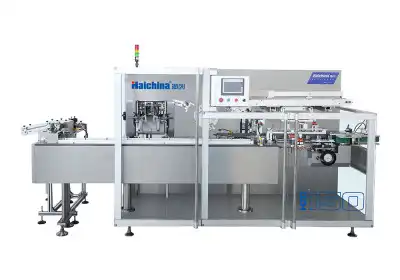
Overwrapping is a sophisticated packaging technique that envelops products in a tight, form-fitting film. This method utilizes specialized machinery to create a seamless wrap around items, resulting in a polished and professional appearance. The overwrapping process involves feeding the product into the machine, where it's precisely measured and encased in film. The film is then folded and sealed, creating neat, crisp edges that enhance the product's visual appeal.
Flow Wrap: A Versatile Packaging Solution
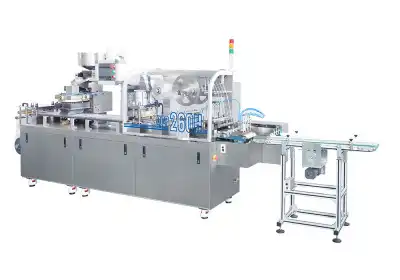
Flow wrap, also known as horizontal form-fill-seal (HFFS) packaging, is a dynamic method that creates a tubular package around products. This technique employs a continuous film that's formed into a tube, filled with the product, and sealed in one fluid motion. Overwrapping machine and flow wrap machines are renowned for their high-speed capabilities, making them ideal for large-scale production environments. The resulting packages are typically pillow-shaped, offering flexibility in accommodating various product sizes and shapes.
Key Differences in Application and Results
While both overwrapping and flow wrap serve to protect and present products, their applications and outcomes differ significantly. Overwrapping excels in creating a premium, gift-like appearance, often preferred for high-end cosmetics and luxury items. Flow wrap, conversely, shines in its ability to quickly package a wide range of products, from small cosmetic samples to larger beauty kits. The choice between these methods often hinges on factors such as product type, production volume, and desired aesthetic.
Advantages and Disadvantages for Cosmetic Packaging
Overwrapping: Pros and Cons
Overwrapping offers several advantages for cosmetic packaging. It provides a high-end, luxurious look that can elevate brand perception. The tight, precise wrap enhances product visibility while offering excellent protection against dust and moisture. However, overwrapping machines may require more complex setup and maintenance, potentially increasing production costs. Additionally, the process may be slower compared to flow wrapping, which could impact production speed for high-volume items.
Flow Wrap: Strengths and Limitations
Flow wrap excels in speed and efficiency, making it an excellent choice for large-scale cosmetic packaging operations. It's particularly adept at handling irregularly shaped items or multi-packs. The flexibility of flow wrap allows for easy integration of features like resealable closures or tear notches. However, the pillow-shaped packages may not provide the same premium aesthetic as overwrapped products, which could be a consideration for luxury cosmetic brands.
Comparative Analysis for Different Cosmetic Products
The suitability of overwrapping versus flow wrap varies depending on the specific cosmetic product. For instance, delicate items like pressed powders or eyeshadow palettes may benefit from the rigid protection offered by overwrapping. In contrast, sample-sized products or travel kits might be more efficiently packaged using flow wrap. Considering factors such as product fragility, size variability, and brand positioning is crucial in making the optimal choice between these packaging methods.
Making the Right Choice for Your Cosmetic Brand
Assessing Your Product Line and Production Needs
To determine the most suitable packaging method, thoroughly evaluate your cosmetic product line. Consider aspects such as product dimensions, fragility, and presentation requirements. Analyze your production volumes and speed requirements to ensure the chosen method, whether an overwrapping machine or another solution, aligns with your manufacturing capabilities. It's also essential to factor in any plans for product line expansion or diversification that might influence your packaging needs in the future.
Considering Brand Image and Consumer Expectations
Your packaging choice should reflect and reinforce your brand identity. Luxury cosmetic brands might lean towards overwrapping for its elegant finish, while brands focusing on eco-friendliness might prefer flow wrap for its potential to use less material. Consider conducting market research to gauge consumer preferences and expectations regarding packaging in your specific cosmetic niche. This insight can guide you in selecting a packaging method that resonates with your target audience.
Balancing Cost-Effectiveness and Quality
While both overwrapping and flow wrap offer distinct advantages, it's crucial to balance quality with cost-effectiveness. Evaluate the initial investment required for each type of packaging machinery, as well as ongoing operational costs. Consider factors like material costs, energy consumption, and potential waste generation. It may be beneficial to conduct a long-term cost analysis to determine which method provides the best return on investment while maintaining the desired level of product quality and presentation.
Conclusion
Choosing between overwrapping machine and flow wrap for cosmetic packaging is a decision that requires careful consideration of various factors. Both methods offer unique benefits: overwrapping provides a premium look and excellent product protection, while flow wrap offers speed and versatility. The ideal choice depends on your specific product line, brand image, production needs, and target market expectations. By thoroughly assessing these aspects, cosmetic manufacturers can select the packaging method that best showcases their products, enhances brand perception, and meets consumer demands in the competitive beauty industry.
FAQs
1. What types of cosmetic products are best suited for overwrapping?
Overwrapping is ideal for high-end cosmetics, delicate items like pressed powders, and products where a premium presentation is crucial.
2. Can flow wrap machines handle irregularly shaped cosmetic products?
Yes, flow wrap machines are versatile and can accommodate various shapes, making them suitable for multi-packs or uniquely shaped cosmetic items.
3. Which packaging method is more environmentally friendly?
It depends on the specific materials used. Both methods can be eco-friendly if implemented with sustainable films and practices.
4. How does the speed of overwrapping compare to flow wrapping?
Generally, flow wrapping is faster, making it more suitable for high-volume production. Overwrapping may be slower but offers a more premium finish.
Expert Packaging Solutions for Cosmetics | Haichina
At Haichina, we specialize in providing top-tier packaging solutions tailored for the cosmetics industry. Our range of overwrapping machines and flow wrap systems are designed to meet the diverse needs of cosmetic manufacturers. With over 20 years of experience, we offer customized packaging lines that ensure optimal product protection and presentation. Our machines are CE and cGMP certified, guaranteeing quality and compliance. For expert advice on selecting the best packaging solution for your cosmetic products, contact our team at [email protected].
References
Johnson, L. (2022). "Cosmetic Packaging Trends: Overwrapping vs Flow Wrap". Packaging Digest.
Smith, A. et al. (2021). "Efficiency Analysis of Packaging Methods in the Beauty Industry". Journal of Cosmetic Science.
Brown, R. (2023). "Consumer Perceptions of Cosmetic Packaging: A Market Study". Beauty Packaging Magazine.
Zhang, Y. (2022). "Advances in Overwrapping Technology for Luxury Cosmetics". International Journal of Packaging Technology.
Davis, M. (2023). "Sustainable Packaging Solutions in the Cosmetics Industry". Green Cosmetic Packaging Review.
Wilson, E. (2021). "Flow Wrap Innovations: Revolutionizing Cosmetic Sample Packaging". Cosmetics Technology Today.