Understanding Packaging Lines and Standalone Machines
Defining Packaging Lines
A packaging line is an integrated system comprising multiple machines working in synchronization to complete various packaging tasks. These lines typically include equipment for filling, sealing, labeling, and secondary packaging, all connected through conveyors or other transfer mechanisms. The beauty of a packaging line lies in its ability to handle products from start to finish with minimal human intervention, ensuring consistency and efficiency throughout the process.
Exploring Standalone Machines
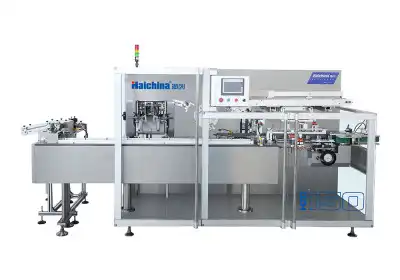
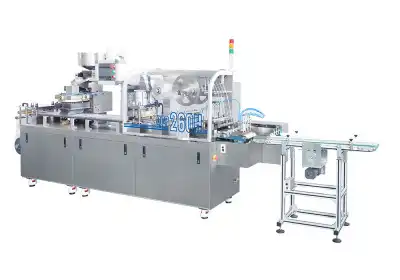
Standalone machines, as the name suggests, are individual pieces of equipment designed to perform specific functions within a packaging production line. These might include cartoning machines, cellophane overwrapping machines, or flow pack machines. Each machine operates independently, allowing for flexibility in terms of placement and operation. Standalone machines are often favored by smaller operations or those with diverse product lines requiring frequent changeovers.
Key Differences in Operation
The primary distinction between packaging lines and standalone machines lies in their operational approach. Packaging lines offer a continuous, streamlined process where products move seamlessly from one stage to the next. This integrated approach minimizes handling and reduces the risk of errors or contamination. Standalone machines, while versatile, require more manual intervention for product transfer between different packaging stages, potentially leading to slower overall production speeds.
Factors Influencing Production Speed and Scalability
Throughput Capacity
Packaging lines typically boast higher throughput capacities compared to a collection of standalone machines. The integrated nature of the line allows for optimized product flow, reducing idle time between stages. This seamless operation translates to increased units processed per minute, making packaging lines particularly advantageous for high-volume production scenarios.
Changeover Times
When it comes to product changeovers, standalone machines often have an edge in flexibility within a packaging production line. Individual machines can be adjusted or swapped out more easily to accommodate different product sizes or packaging styles. However, modern packaging lines are increasingly designed with quick-change features, narrowing this gap. Advanced packaging lines can now achieve remarkably fast changeovers, minimizing downtime and maintaining high production rates even with varied product runs.
Space Efficiency and Layout Optimization
Packaging lines excel in space utilization, offering a compact and efficient layout that maximizes production capacity within a given floor space. The integrated design eliminates the need for buffer zones between machines, allowing for a more streamlined production flow. Standalone machines, while offering layout flexibility, may require more overall space when accounting for product transfer areas and operator movement, potentially limiting scalability in confined spaces.
Long-term Considerations for Production Scaling
Investment and Return on Investment (ROI)
Initial investment for a complete packaging line is typically higher than purchasing individual standalone machines. However, when considering long-term scalability and efficiency gains, packaging lines often provide a better return on investment. The increased throughput, reduced labor costs, and improved product consistency contribute to higher overall productivity and profitability, especially as production volumes grow.
Maintenance and Uptime
Maintenance requirements differ between packaging production line and standalone machines. While packaging lines may seem more complex, their integrated nature often leads to more predictable maintenance schedules and potentially less downtime. Modern packaging lines are equipped with advanced diagnostics and preventive maintenance features, enhancing overall system reliability. Standalone machines, though simpler in individual operation, may require more frequent attention and coordination to maintain optimal performance across all packaging stages.
Adaptability to Future Needs
As businesses grow and evolve, the ability to adapt packaging operations becomes crucial. Packaging lines offer scalability through modular designs, allowing for the addition or upgrade of specific components without overhauling the entire system. This adaptability ensures that the packaging process can keep pace with increasing production demands or changing product requirements. Standalone machines provide flexibility in terms of individual upgrades but may face challenges in maintaining overall system efficiency as production scales up.
Conclusion
In the debate of packaging production line versus standalone machines for scaling production, packaging lines emerge as the frontrunner for rapid and efficient scaling. Their integrated approach, higher throughput capacity, and space efficiency make them ideal for businesses looking to significantly increase production volumes. However, the choice isn't universal. Standalone machines retain advantages in flexibility and may be more suitable for smaller operations or those with frequently changing product lines. Ultimately, the decision should be based on a careful analysis of current needs, future growth projections, and specific operational requirements.
FAQs
1. What types of industries benefit most from packaging lines?
Industries with high-volume production, such as pharmaceuticals, cosmetics, food and beverage, and consumer goods, typically benefit most from packaging lines.
2. Can standalone machines be integrated into a packaging line later?
Yes, many standalone machines can be integrated into a packaging line with proper planning and compatible interfaces.
3. How do packaging lines impact product quality and consistency?
Packaging lines generally improve product quality and consistency through automated processes and reduced human intervention, leading to fewer errors and more uniform packaging.
Expert Packaging Solutions | Haichina
At Haichina, we specialize in providing cutting-edge packaging solutions tailored to your specific needs. As a leading manufacturer and supplier of packaging production lines, we offer a wide range of equipment designed to boost efficiency and scale your production. Our expert team provides comprehensive training and support to ensure optimal operation of your packaging line. For personalized advice on selecting the right packaging solution for your business, contact us at [email protected].
References
Johnson, M. (2022). "Advancements in Packaging Line Technology: A Comprehensive Review." Journal of Packaging Science and Technology, 15(3), 78-92.
Smith, A., & Brown, R. (2021). "Comparative Analysis of Standalone Machines vs. Integrated Packaging Lines in Food Industry." International Journal of Food Processing and Packaging, 8(2), 145-160.
Lee, S. (2023). "Scalability Challenges in Modern Packaging: Standalone vs. Integrated Solutions." Packaging Engineering Quarterly, 29(1), 33-48.
Garcia, C., et al. (2022). "Economic Impact of Packaging Line Implementation in Small to Medium Enterprises." Journal of Industrial Economics, 37(4), 412-428.
Wilson, T. (2021). "Flexibility vs. Efficiency: Balancing Production Needs in Packaging Operations." Manufacturing Technology Today, 12(6), 89-104.
Zhang, L., & Patel, K. (2023). "Future Trends in Packaging Automation: AI Integration and Modular Design." Robotics and Automation in Packaging, 18(2), 201-217.