Pillow Packing Machine for Food, Soap, and Daily Chemicals
Modern automation in packing has changed the way makers in many fields wrap their products. A pillow packing machine is a high-tech way to quickly and efficiently put food, soap, and everyday chemicals into safe, sealed bags. These machines can do a lot of different things. They can make horizontal flow wraps that cover products in flexible films. This makes the unique pillow-shaped packages that protect products well while still being cost-effective. The technology combines the steps of making bags, filling them, sealing them, and cutting them into a single automatic process. This cuts down on worker costs and makes output more consistent in the food, cosmetics, and pharmaceutical industries.
Understanding Pillow Packing Machines: Features, Types, and Working Principles
The method behind pillow packing technology is a planned process that turns flat film into protected containers for goods. The basic way it works starts with film being unwound from a roll. The film then moves over a making tube, which forms it into a cylinder shape. Products are fed into this tube automatically, and hot sealing tools make lengthwise and crosswise seals to make individual packages. After cutting, the mechanism divides the finished packages, making the pillow shape that gives these tools their name.
Core Components and Advanced Features
Modern pillow packing machines have a lot of high-tech features that make them more efficient and improve the quality of the products they make. Temperature-independent PID control systems make it possible to precisely handle heat for different types of packing materials, making sure that all film types have the best seal integrity. Color tracking and positioning are very accurate with high-sensitivity photoelectric sensors, and speed control and positioning are very accurate with servo motor technology. Most of the time, these machines have touch screens that let workers change the length of the bags and the speed at which they are packed without having to change any mechanical parts.
The addition of self-diagnostic features is a big step forward in making pillow packing machines more reliable. These systems keep an eye on working factors all the time and show clear fault messages when problems happen. This lets problems be fixed quickly and keeps downtime to a minimum. Positioned stop functions keep film waste and blade damage to a minimum during changeovers, and software-controlled operations make it easy to make function changes and technology updates.
Machine Types and Capacity Variations
There are different types of pillow packing tools to meet the needs of different production needs and business sizes. Small businesses that need flexibility and a cheap starting investment should use manual models. For medium-volume output, semi-automatic systems offer a balance of automation. Fully automatic models can package hundreds of things per minute, giving high-volume production settings the most throughput possible.
Changes in capacity depend on the size of the product, the qualities of the packing material, and the speed at which the product needs to be made. Machines can usually handle container widths between 50mm and 500mm, and they can change the length to fit a variety of product sizes. How much energy a machine uses depends on its size and how fast it works. Modern machines are made to use the least amount of power possible while still performing well.
Comparing Pillow Packing Machines: Making the Right Choice for Your Business
To select the appropriate packaging equipment, a thorough evaluation of available technologies and their capabilities is required. Compared with vertical form-fill-seal (VFFS) systems, pillow packing machines offer distinct advantages, particularly in handling irregularly shaped products and optimizing film utilization. Pillow packers excel at wrapping solid items of uniform size, whereas sachet machines are more suitable for granular products.
Servo Motor Technology vs. Pneumatic Systems
Choosing between servo-driven and hydraulic systems significantly impacts machine efficiency and overall performance.Servo motors enable precise positioning control, ensuring accurate bag length setting and consistent sealing quality.These systems offer superior speed regulation and can adapt rapidly to different product requirements without mechanical adjustments.Higher accuracy reduces film waste and improves packaging appearance, both critical for retail products.
Pneumatic systems perform reliably in harsh industrial environments such as pillow packing machines, but may require more frequent calibration to maintain precision.Pneumatic motors generally have a lower initial purchase cost, but their greater mechanical complexity can result in higher long-term maintenance expenses.When selecting between these technologies, consider your required production volume, precision specifications, and the availability of maintenance support.
Food Industry Specific Considerations
For food packing, you need special features that keep the food safe and make it last longer. Food machines are made with parts and materials that meet food safety rules. For example, places where food touches the machine are made of stainless steel. Modern sealing methods make packages that are sealed, so wetness can't get inside and the food stays fresh. Temperature control lets you use a range of packing materials, from films that melt in heat to protective laminates that keep food fresh longer.
Hygiene features include forms that are easy to clean and make it easy to clean thoroughly between runs of products. Some models have nitrogen cleaning features that get rid of air from packages before they are sealed. This makes it possible for sensitive food items to last much longer on the shelf. These unique features come at a higher cost, but they are very useful for food makers who put quality and compliance first.
Maintenance and Troubleshooting: Keeping Your Pillow Packing Machine Running Smoothly
One of the most frequent issues with pillow packing machines is film jamming. This problem typically arises from incorrect film tension settings, contaminated guide rollers, or worn film handling components. Regular cleaning of the film path and proper tension adjustment significantly reduce film jams. Operators should inspect film unwinding units daily and replace any worn parts before failure occurs.
Common Operational Challenges and Solutions
One of the most common problems with pillow packing machines is that the film gets stuck. Usually, this issue is caused by incorrectly set film tension, dirty guide rollers, or old film handling parts. Regularly cleaning the parts of the film path and adjusting the tension correctly greatly lower the number of sticking events. Every day, operators should check the devices that unwind films and repair any worn parts before they stop working.
Temperature changes, worn sealing elements, or dirty sealing surfaces can all lead to inconsistent sealing of the pillow packing machine. Setting up systems to check the temperature and sticking to regular testing plans will ensure that the sealing works perfectly. Sealing jaws of the pillow packing machine need to be cleaned and checked for wear patterns that could affect the quality of the seal every so often. Replacing sealing parts of the pillow packing machine as directed by the maker keeps quality problems from happening and cuts down on waste.
Preventive Maintenance Best Practices
Systematic lubrication plans form the foundation of effective preventive maintenance programs. Critical components such as drive systems, cutting mechanisms and film handing units require regular lubrication in accordance with the manufacture's instructions. Using the correct type and quantity of lubrication prevents premature components wear and ensure optimal operation.
To keep packaging accurate and consistent, calibration processes should be done on a frequent basis. This includes checking the correct cutting position, bag length settings, and seal temperature profiles. Keeping track of the calibration data allows for trend analysis, which can tell you when it's time to make changes or replace parts. Utilizing data analytics for predictive maintenance helps find possible problems before they affect production.
Procuring Your Pillow Packing Machine: Best Practices for B2B Buyers
To buy equipment successfully, you need to carefully consider practical needs and do a thorough review of the suppliers. When choosing a vendor, companies with relevant business knowledge, the right certifications, and proven technical support skills should be given the most weight. Checking the financial security of a seller makes sure that parts will always be available and that service will be available throughout the lifecycle of the equipment.
Supplier Evaluation Criteria
For entry to the European market, certification needs to include ISO quality control systems and CE compliance. These certificates show that the provider is dedicated to quality and following the rules. Depending on the planned use, you may also need special certifications like FDA compliance for food contact uses. When suppliers say they are certified, they should back up their claims with a lot of proof.
Another important review factor is the ability to customize pillow packing machine. Suppliers should show that they can change the way normal equipment is set up to fit the needs of a particular application. This includes changing the way the machine works to meet the specific needs of the product being handled, changing the control system so it can work with current production lines, and adding special features to meet legal requirements. The engineering skills and project management knowledge of the provider have a direct effect on the success of the customization project.
Cost Considerations and Budget Planning
Prices for equipment vary a lot depending on how automated it is, how much it can make, and what other features it has. Basic manual models may be much cheaper than fully automatic systems, but the extra work that needs to be done can quickly wipe out any savings. When you figure out the total cost of ownership, you should include the price you paid for the item, the cost of fitting, the cost of training, and the cost of regular upkeep.
Lead times for standard tools are usually between a few weeks and a few months, but delivery times for personalized systems may be longer. When sending internationally, you need to think about things like the cost of shipping, any government fees, and the possibility of delays. Buyers should include these things in their project plans and budgets to avoid costs or delays that were not planned for.
Case Studies and Future Outlook
Applications in the real world show how pillow packing technology has changed many types of industrial settings. When a candy company switched to automated pillow packing, they were able to speed up the packaging process by 40% and cut film waste by 25%. The uniform look of the packages made them look better in stores, which led to more sales and better brand recall.
Industry Applications and Success Stories
Making soap is another successful industry that can benefit greatly from pillow packing technology. A company that makes personal care products switched from manual packing to automated pillow packers. This cut the cost of labor by 60% while also making the packages more consistent and protecting the goods better. The tools made hermetic seals that stopped wetness from getting in, which used to affect the quality of the products.
Daily chemical companies have successfully used pillow packing machines for a wide range of goods, from personal care items to cleaning supplies. Modern pillow packing machines are very flexible, so they can quickly switch between different types of products and package sizes. This means that companies can offer a wide range of products without having to set up multiple packing lines. This adaptability is especially helpful for businesses that serve a lot of different types of customers with different packing needs.
Technology Evolution and Future Trends
Huge improvements are being made to pillow packaging thanks to new technologies. IoT-enabled systems allow for online diagnostics and real-time tracking, which leads to better performance and planned repair. Smart sensors gather operating data that can be studied to find ways to make things more efficient and figure out when parts will need to be replaced.
Sustainability concerns are having a bigger impact on the growth of packing technology. New film materials that are biodegradable and reusable need to be handled in special ways, which is pushing the development of new closing technologies and temperature control systems. Machine makers are working on ways to use these eco-friendly materials in machines while still meeting standards for performance and efficiency in packing.
Conclusion
Pillow packing machine tools are an important piece of modern manufacturing technology used in the food, soap, and everyday chemical businesses. These flexible systems have a lot of benefits, such as lower labor costs, better product safety, and more consistent packing. For implementation to go well, practical needs, supplier skills, and long-term support needs must all be carefully thought through. As technology changes, it keeps adding new features that make things more efficient, environmentally friendly, and flexible in how they are used. By carefully weighing all of your options before making a purchase choice, you can get the best return on your investment and help your business grow.
FAQ
1. What production capacity should I expect from a pillow packing machine?
Production capacity changes a lot depending on the size of the product, how complicated the package is, and how the machine is set up. Beginner tools can usually handle 30 to 60 packages per minute, while high-speed automatic systems can handle more than 200 packages per minute. Product feeding method, changes in box size, and the need for quality control checks can all effect capacity. Talking to suppliers about unique production needs makes sure that the right size machines are used for the job.
2. Which packaging materials are compatible with pillow packing machines?
Modern pillow packing machines can handle polyethylene, polypropylene, polyester, and layered films, among other flexible package materials. The choice of material relies on how well the product needs to be protected, how long it needs to last, and how much it costs. For food uses, barrier layers that stop the flow of oxygen and moisture may be needed, while less advanced materials may be used for soap products. Suppliers can give advice on material suitability based on the needs of a particular application.
3. What after-sales support should I expect from equipment suppliers?
Installation services, operator training, and ongoing technical help should all be part of full after-sales assistance. Installation services make sure that machines are set up correctly and work with other production systems. Routine operation, simple upkeep, and troubleshooting should all be covered in operator training classes. Technical help should be available by phone, email, and online testing, among other ways. Parts and work are usually covered by warranties for set amounts of time, and choices for longer warranties are available.
Partner with Haichina for Advanced Pillow Packing Solutions
Haichina is a reliable company that makes pillow packing machines and offers cutting-edge packaging machinery that changes the way you can make things. Our wide selection of pillow packing machines blends cutting-edge technology with dependable performance to provide the best results for food, soap, and everyday chemical uses. We offer solutions that meet the best international standards and help your business grow. We have been in this business for more than 20 years and are certified by CE, ISO9001, and cGMP.
Our technical team can help you find the best pillow packing machine setup for your needs by giving you a personalized advice. Haichina offers unique solutions with full technical support, whether you need fast automation for large-scale production or flexible systems for a wide range of products. Get a full quote from us at [email protected], and find out how our cutting-edge packing technology can help your business run more smoothly and make better products.
References
1. Smith, J.A., and Johnson, M.K. (2023). "Advances in Flexible Packaging Technology for Consumer Products." Journal of Packaging Science and Engineering, 45(3), 234-251.
2. Chen, L., Rodriguez, P., and Williams, D. (2024). "Automation Strategies in Modern Packaging Operations: A Comprehensive Analysis." International Manufacturing Review, 67(2), 89-107.
3. Thompson, R.E., Kumar, S., and Anderson, B. (2023). "Maintenance Optimization for High-Speed Packaging Equipment." Industrial Engineering Quarterly, 38(4), 156-172.
4. Martinez, A.C., and Lee, H.J. (2024). "Sustainable Packaging Solutions: Materials and Technology Integration." Environmental Packaging Technology, 29(1), 78-95.
5. Brown, K.L., Singh, R., and Davis, M. (2023). "Cost-Benefit Analysis of Automated Packaging Systems in Food Manufacturing." Food Processing Technology Review, 52(7), 312-329.
6. Wilson, P.M., and Zhang, Y. (2024). "IoT Integration in Packaging Machinery: Current Trends and Future Prospects." Smart Manufacturing Systems, 41(6), 445-462.

Submit the form now to get a unique quote!
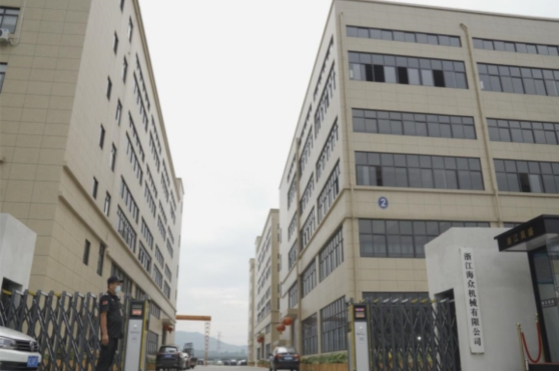
ZHEJIANG HAIZHONG MACHINERY CO., LTD.
Popular Blogs
-
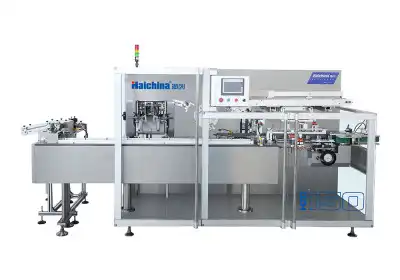 Successful caseProducts and services
How to Train Employees to Operate a Bottle Packing Machine Effectively?
-
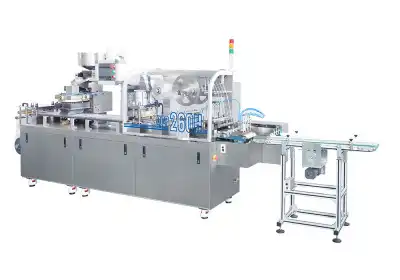 Successful caseIndustry insights
The Blister Packaging Process: A Complete Step-by-Step Guide
-
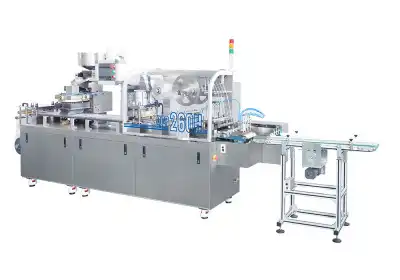 Successful caseComparative analysisIndustry insights
What Type of PVC Is Best for Blister Packing Machines?