The Components and Functionality of Packaging Production Lines
Primary Packaging Equipment
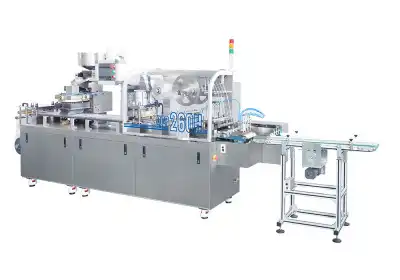
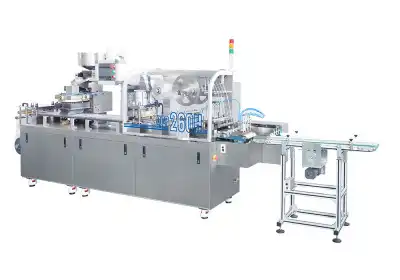
At the heart of any packaging production line lies the primary packaging equipment. This machinery is responsible for the initial containment of the product. It includes filling machines that accurately dispense liquids, powders, or solids into containers, and sealing equipment that ensures product integrity and freshness. For instance, in the pharmaceutical industry, blister packing machines are commonly used to package tablets and capsules, while the food industry might employ form-fill-seal machines for products like snacks or beverages.
Secondary Packaging Systems
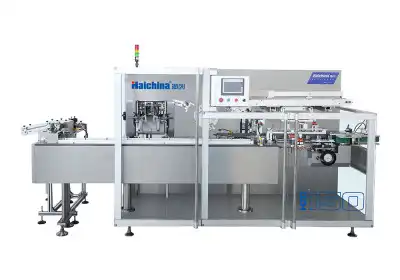
Secondary packaging systems play a crucial role in bundling primary packages together for easier handling and distribution. This stage often involves cartoning machines, which group individual product units into boxes or cartons. Shrink wrapping equipment is another essential component, used to create tight, protective film around grouped items. These systems not only facilitate easier transportation but also provide an additional layer of protection against damage during shipping and handling.
End-of-Line Equipment
The final stage of a packaging production line typically includes end-of-line equipment. This category encompasses case packing machines, which load packaged products into larger shipping containers or boxes. Palletizers are also crucial at this stage, efficiently stacking and arranging boxes onto pallets for warehouse storage or transportation. Some advanced production lines may also incorporate robotic systems for increased precision and flexibility in end-of-line operations.
Benefits of Implementing a Packaging Production Line
Increased Efficiency and Output
One of the primary advantages of implementing a packaging production line is the significant boost in efficiency and output. These automated systems can operate at high speeds, often processing hundreds or even thousands of units per minute, depending on the product and packaging type. This rapid production capability allows manufacturers to meet growing market demands and scale their operations effectively. Moreover, the consistent pace of automated lines reduces bottlenecks and ensures a smooth, uninterrupted flow of products through the packaging process.
Quality Control and Consistency
Packaging production lines contribute substantially to maintaining high quality standards and consistency across products. Automated systems are equipped with advanced sensors and control mechanisms that can detect defects or irregularities in real-time. This capability allows for immediate adjustments or removal of faulty items, ensuring that only products meeting specified quality criteria reach the end consumer. The precision and repeatability of automated packaging processes also lead to more uniform packaging, enhancing brand image and customer satisfaction.
Cost Reduction and Resource Optimization
While the initial investment in a packaging production line can be substantial, the long-term cost savings are significant. These systems reduce the need for manual labor, minimizing labor costs and the potential for human error. Additionally, automated lines optimize the use of packaging materials, reducing waste and contributing to more sustainable operations. The increased speed and efficiency of production also lead to better utilization of factory space and energy resources, further improving the overall cost-effectiveness of manufacturing operations.
Choosing the Right Packaging Production Line for Your Manufacturing Needs
Assessing Production Requirements
Selecting the appropriate packaging production line begins with a thorough assessment of your manufacturing requirements. Consider factors such as production volume, product characteristics, and packaging specifications. For instance, a food manufacturer producing perishable items may require a line with rapid processing capabilities and strict hygiene controls. Conversely, a cosmetics company might prioritize flexibility to handle various product sizes and shapes. Understanding your specific needs will guide you in choosing a system that aligns with your production goals and scalability requirements.
Evaluating Technology and Integration
When selecting a packaging production line, it's crucial to evaluate the technology offered and its potential for integration with your existing systems. Look for lines that incorporate state-of-the-art automation and control systems, as these can provide better accuracy, efficiency, and data collection capabilities. Consider the compatibility of the packaging line with your current manufacturing execution systems (MES) or enterprise resource planning (ERP) software. This integration can facilitate seamless data flow, enabling better production planning, quality control, and traceability.
Considering Flexibility and Future-Proofing
In today's rapidly evolving market, flexibility in packaging production is paramount. Choose a production line that offers adaptability to handle different product types, sizes, or packaging formats. Modular systems that allow for easy reconfiguration or expansion can be particularly valuable as your business grows or diversifies. Additionally, consider the potential for future upgrades or integration of emerging technologies, such as artificial intelligence or Internet of Things (IoT) capabilities, to ensure your investment remains relevant and competitive in the long term.
Conclusion
Packaging production lines are indispensable in modern manufacturing, offering a myriad of benefits that contribute to operational excellence and market competitiveness. By automating and streamlining the packaging process, these systems enable manufacturers to achieve higher productivity, maintain consistent quality, and reduce costs. As industries continue to evolve, the role of packaging production lines in meeting consumer demands and adhering to regulatory standards will only grow in importance. Investing in the right packaging solution is not just about addressing current needs but also about positioning your manufacturing operation for future success in an increasingly dynamic and competitive global marketplace.
FAQs
1. What types of industries benefit most from packaging production lines?
Packaging production lines are valuable across various industries, including food and beverage, pharmaceuticals, cosmetics, and consumer goods. Any industry that requires high-volume, consistent packaging can benefit from these automated systems.
2. How do packaging production lines contribute to sustainability?
These lines optimize material usage, reduce waste, and can be designed to work with eco-friendly packaging materials, contributing to more sustainable manufacturing practices.
3. Can packaging production lines be customized for specific products?
Yes, many manufacturers offer customizable solutions to meet specific product requirements, ensuring optimal packaging for diverse items.
Expert Packaging Solutions | Haichina
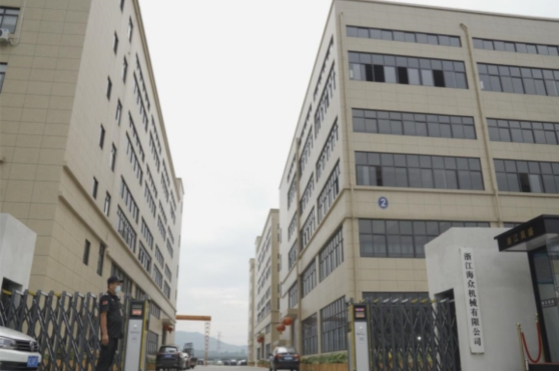
At Haichina, we specialize in delivering top-tier packaging production lines tailored to your specific manufacturing needs. Our state-of-the-art systems combine high-speed operation with precision and flexibility, ensuring optimal packaging solutions for pharmaceuticals, cosmetics, food, and more. As a leading supplier and manufacturer, we offer fully customizable, CE and cGMP certified production lines that prioritize safety, hygiene, and efficiency. Experience the Haichina difference in packaging automation. Contact us at [email protected] to explore how our expert solutions can elevate your manufacturing process.
References
Johnson, M. (2022). "The Evolution of Packaging Production Lines in Modern Manufacturing". Industrial Automation Quarterly, 45(3), 78-92.
Smith, A. & Brown, L. (2021). "Efficiency Gains Through Automated Packaging Systems". Journal of Manufacturing Technology, 33(2), 210-225.
Zhang, Y. et al. (2023). "Integration of IoT in Packaging Production Lines: A Case Study". International Journal of Smart Manufacturing, 12(4), 567-582.
Thompson, R. (2022). "Quality Control Advancements in Automated Packaging Systems". Quality Assurance in Manufacturing, 28(1), 45-60.
Garcia, C. & Lee, S. (2021). "Sustainability Metrics in Modern Packaging Production". Green Manufacturing Processes, 17(3), 302-318.
Wilson, D. (2023). "Cost-Benefit Analysis of Implementing Packaging Production Lines". Journal of Industrial Economics, 40(2), 189-204.