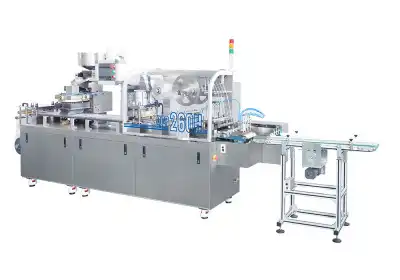
Pharmaceutical producers and contract packaging businesses face special problems when they're looking for blister packaging machine help in South America. The pharmaceutical industry's growth in the area requires high-quality paper packing equipment that meets global standards and can be easily accessed through local service networks and wholesalers. Businesses in South America need blister packaging that they can count on. This packaging should use technology that is common around the world and also be able to help people in that area so that it can be easily added to their production lines.


Why Blister Packaging Excellence Matters in South America?
The drug business in South America has grown in an amazing way over the last ten years. Brazil has over 40% of Latin America's medicine market, which is worth about $27 billion. This growth makes people want to get advanced bubble packing machines that can work with a lot of different kinds of products while still keeping high quality.
The rules in this area are a lot like those on the global stage, especially those from the EU and the FDA. Colombia, Argentina, and Chile are among the countries that have strict Good Manufacturing Practices (GMP) that require medicinal blister packaging to be very precise. Local makers need tools that not only follows these rules but also has the ability to adapt to changes in the market.
Climate considerations play a crucial role in South American packaging requirements. Countries like Peru and Ecuador have high humidity levels, so better bubble closing is needed to protect fragile drugs. In this area, the best blister packaging machines must show that they can keep wetness out and make sure that all of the seals stay intact.
Essential Selection Criteria for South American Markets
Choosing the right blister packaging machine provider means looking at a number of important things that are unique to doing business in South America. The ability to get technical help is the most important worry because downtime can have a big effect on the work plan.
When repair needs to be done right away, local service networks are very helpful. The best sellers have regional service centers or licensed partners who know how to use the tools and are familiar with the way things work in their area. This closeness guarantees quick response times and keeps production from stopping too much, which saves money.
Regulatory compliance skills are very important and can't be ignored. The equipment has to show that it can fully trace features, log data, and use validation methods that are acceptable to ANVISA in Brazil, INVIMA in Colombia, and other local regulatory groups. The package packing line needs to keep detailed records of the checking steps.
Cost-effectiveness isn't just about the price you pay. The total cost of ownership, which includes the cost of extra parts, how much energy the machine uses, and how much training operators need, is something that successful businesses in South America think about. Performance and long-term practical costs are balanced in the best blister packaging designs.
Leading Blister Packaging Machine Solutions
Haichina High-Speed Cartoning Systems
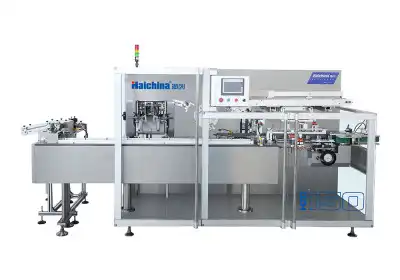
Haichina's automatic blister packaging machine solutions have been widely praised in South America's medicinal companies. Their cartoning machines work perfectly with current blister thermoforming lines. These machines can handle up to 300 boxes per minute while still being careful with the products.
The cellophane overwrapping machines made by the company provide excellent moisture protection, which is very important for South America's wet environment. These systems have high-tech temperature control and exact film tensioning that make sure the wrap quality is always the same, no matter what the conditions are. The equipment has servo-driven parts that make it work more smoothly and cut down on the need for upkeep.
Haichina equipment stands out in the South American market because it has the ability to make sure that quality is good. Their machines have built-in vision systems that check the placement of the blister card, the strength of the box, and the closing of the overwrap 100% of the time. This automatic quality control system checks for mistakes that people might make and makes sure that the rules for medicines in the area are followed.
The local support system makes Haichina more attractive to South American customers. The business keeps service ties in important areas. They offer Spanish and Portuguese technical help and full training programs for operators. Their promise to help customers in the area includes making proof paperwork that meets the needs of different countries.
South American businesses that are careful about how much money they spend on energy really like Haichina products because they are energy efficient. Blister machine blister maker designs from their latest line use variable frequency drives and better heating systems that can cut energy use by up to 25% when compared to standard machines.
Flexible Flow Pack Integration
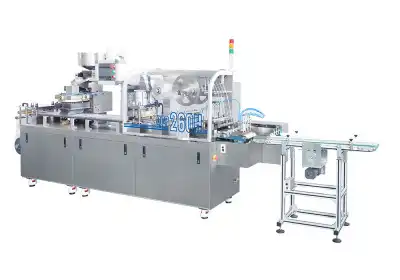
These days, pharmaceutical packaging needs to be able to handle different types of products in the same production runs. Advanced flow pack machines made for South American markets can handle a lot of different blister sizes and forms without having to go through long setup processes.
These systems are great at handling both normal and specialty drugs that are popular in South American markets. The machine handles a wide range of tasks, from making tablet blisters the old-fashioned way to new kinds of oral film packaging. It can quickly adjust to different material specs and shaping needs.
When working with heat-sensitive goods common in warm regions, the exactness of temperature control becomes very important. The best flow pack options have several hot zones that can be controlled separately. This makes sure that the best making conditions are met without harming the product.
Material compatibility goes beyond basic plastic covers to include special protective materials that moisture-sensitive drugs need. The best blister packaging machines maintain the strength of the seal even when they are used with materials from PVC/PVDC mixes to modern aluminum-based laminates.
The ability to integrate automation makes it easy to connect with equipment both upstream and downstream. Today's flow pack systems talk directly to filler machines, cartoners, and case packers using standard methods. This makes automated pouch packing more efficient.
Compact Blister Forming Solutions
Compact blister making machine designs that increase output within limited floor space are common in South American sites due to space limits. These options are perfect for contract packing businesses that work with a lot of different clients who need different amounts of packaging.
When businesses use modular design, they can add more power as they grow. When demand goes up, companies can add units for cartoning, overwrapping, or secondary packing to basic plastic tray machines. This scalability is especially helpful for new drug companies in South American areas that are still growing.
When you work with a lot of different goods every day, being able to quickly switch between tasks becomes very important. The best small systems can change formats in less than 30 minutes. This lowers production costs and raises machine use. These qualities are especially useful for generic drug makers with a wide range of products.
Validation-friendly features make it easy to clean and check. The sides of the equipment are made smooth so that they can be easily cleaned and inspected. These features make it easier for countries with changing pharmaceutical control to quickly follow the rules.
Cost-effective running includes looking at extra parts and supplies. The best small-scale options use standard parts when they can. This means that fewer parts need to be stored and are guaranteed to be available through local dealers.
Regional Market Characteristics and Regulatory Landscape
The features of the South American pharmaceutical markets affect the choice of blister packaging machinery. In many countries, generic drugs are the most common type, which makes people want production systems that can quickly adapt to make different kinds of drugs.
Regulatory unification attempts across the area are more and more in line with rules used in other countries. The Pacific Alliance countries (Mexico, Colombia, Peru, Chile) have signed deals to recognize each other that urge people to invest in equipment that meets GMP standards around the world.
Local content rules in places like Argentina and Brazil sometimes give sellers with manufacturing or assembly skills in the area the upper hand. These rules can affect the choice of tools, especially when it comes to big projects that need to be approved by the government or get government funding.
The need for skills development across the area makes it clear that training classes should cover a lot of material. To make sure the best performance from their tools, the most popular providers offer a lot of user education, maintenance training, and expert help in local languages.
Strategic Purchasing Recommendations
When buying a blister packaging machine in South America, you need to think about both short-term and long-term operating needs. Instead of just thinking about cost, companies should choose providers who have worked in the area before and have service networks set up.
Validation help skills are an important factor in choosing a seller. The best partners help you through the legal filing process with full paperwork, test procedures, and ongoing technology support. This help is very useful when you have to meet complicated approval needs in more than one country.
In South American markets, choices about tools are often affected by how they will be paid for. Top sellers offer performance-based contracts, flexible payment terms, or equipment rental choices that are in line with how businesses in the area operate and the money that is available to spend.
Training plans should include both operating and upkeep parts. Full training makes sure that the equipment is used properly and builds internal skills that lower the need for outside service providers.
Industry Trends and Future Outlook
The medicine packing business in South America is still changing to become more automated and eco-friendly. Environmental worries make people use reusable blister packaging materials, and rules make people get better tracking tools. As makers look for new ways to stand out from the competition, smart packing technologies are becoming more popular because they have new features that help patients get more involved. These trends are good for sellers who offer flexible equipment bases that can work with new technologies while still meeting well-known standards for performance.
FAQs
What are the most important rules for blister packaging machines in South America?
Most of the time, GMP rules in South America are like the ones from the FDA and EMA. The equipment needs to be able to log data, give proof of approval, and show full tracking. Each country has its own specific rules, but Brazil's ANVISA and Colombia's INVIMA have the most detailed ones. All blister packaging machines must show that they can do quality control on a regular basis and include the right papers for regulatory reports.
How important is local service support for blister packaging equipment in South America?
Because of the area's difficult terrain and rules against bringing in extra parts, getting help from nearby service providers is very important. Businesses that have regional service centers or licensed partners can respond faster and lower the cost of downtime. Language help in Spanish and Portuguese makes conversation easier when there are technology problems or during training.
For South American pharmaceutical businesses, what size range works best?
Most South American plants need flexible capacity that runs from 50 to 200 blisters per minute for smaller businesses up to 300 to 500 blisters per minute for bigger companies. Because regional markets often have a lot of different kinds of products, being able to make a lot of different forms in one production run is more useful than just being able to work very quickly.
Partner with Haichina for Superior Blister Packaging Solutions
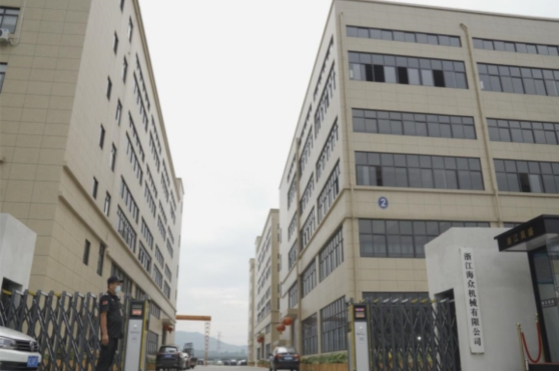
Haichina stands out as a seller of blister packaging machines to South America because we take a broad view of how to make customers successful. Having made things for 20 years means we can make strong equipment that works well in tough conditions and keeps the quality of the output steady.
Our range of medicinal paper machines meets all of today's packing needs. We offer complete answers that make your whole packing process easier, from high-speed cartoning systems to precision cellophane overwrapping machines. Each system has high-tech limits and quality tracking features that go above and beyond what the rules say they need to have.
The regional support system makes sure that your investment gives you the most value during its entire operating life. Our service partnerships across South America let us respond quickly, and our training programs will help your staff learn how to do things themselves. This mix of great technology and customer service makes long-term benefits in the competition.
Our dedication to global norms is shown by quality endorsements like cGMP compliance, CE, and ISO9001. These qualifications help get governmental approvals and make sure the tech is reliable, which helps your business grow.
Do you want to know how Haichina's blister packaging can help your business in South America? Our expert team is ready to talk about your needs and make suggestions for how to best set up your tools. To start your journey toward great packing, email us at [email protected].
References
Brazilian Pharmaceutical Industry Association Annual Report on Manufacturing Equipment Trends 2023
South American Pharmaceutical Packaging Market Analysis by Regional Medical Device Council
GMP Compliance Guidelines for Blister Packaging Equipment in Latin American Markets
Colombia National Institute for Drug and Food Surveillance Equipment Validation Requirements
Pharmaceutical Manufacturing Technology Adoption Patterns in South American Countries Study
Regional Economic Impact of Advanced Packaging Equipment Investment in South American Pharmaceutical Sector