Indonesia's packaging business is growing very quickly, and flow packing machines are very important for meeting the needs of the food, medicine, cosmetics, and consumer goods sectors. Procurement managers who want to save money on automation must learn how volume and bulk prices work. These horizontal form-fill-seal systems offer great value because they make production faster, lower the cost of labor, and protect the product better. Usually, buyers get big discounts of 10% to 25% off the regular price, based on the number of items ordered and the customer's relationship with the seller. Total cost of ownership, not just the cost of buying tools, should be the goal of smart purchase plans.
Understanding Flow Packing Machines and Their Key Features
Today's packing technology is based on advanced wrapping systems that keep putting protecting film materials around goods all the time. These machines are great at sealing different kinds of products while keeping the quality of the cover and the design constant.
Technical Specifications and Operating Principles
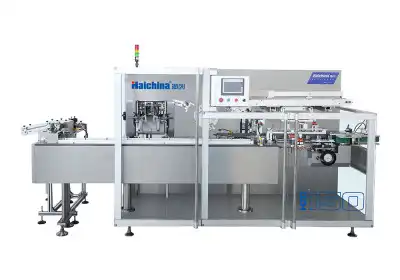
The flow wrapping machine uses horizontal form-fill-seal technology to make three-sided wrapped packages around items as they go through the machine. The process of removing film from rolls, making tubes around goods, and adding heat seals to make sure the ends are safe. Advanced models have servo-driven settings that exactly match the speed of packing to the flow of products. This keeps the efficiency high without hurting the quality of the seals. Temperature control systems keep the same closing settings for a wide range of film materials, from polyethylene and polypropylene to layered structures that protect barriers.
Capacity Ranges and Production Capabilities
We offer a wide range of equipment, from small desk models that can process 30 to 50 packages a minute to large, very fast, industrial systems that can do over 300 packages a minute. By running multiple packing steps at the same time, multi-lane setups increase output. Variable speed settings make room for different packaging and product sizes, and quick-changeover features make sure there isn't a lot of downtime during product changes. Integration features make it easy to connect with systems that feed parts from above and marking or case packing equipment from below.
Customization Options for Different Industries
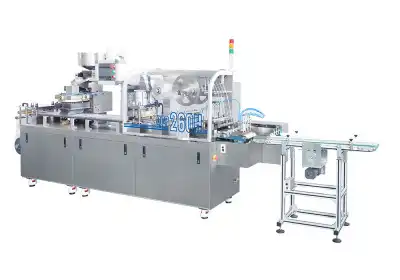
Pharmaceutical uses require stainless steel building, proof of validation, and clean-in-place capabilities in order to meet strict rules. Food industry layouts focus on cleanliness design principles by using surfaces that are easy to clean and keeping touch points with the product to a minimum. Cosmetics packing often requires careful handling of high-quality display materials and gentle handling of the product to avoid damage. Protective packaging with anti-static choices and tamper-evident closing features are important for consumer electronics.
Comprehensive Price Breakdown of Flow Packing Machines in Indonesia
The amount of money that needs to be put in varies a lot depending on how complicated the technology is, how output needs to be done, and how the business works. Understanding these cost drivers helps people make smart purchasing choices that are in line with the needs of the business and the limits of the budget.
Entry-Level Semi-Automatic Systems
Basic horizontal wrapping machines are usually the easiest way for small to medium-sized businesses to start using automatic packing. People have to put the products in these systems by hand, but the systems can wrap and seal the products on their own. Mechanical film transport, basic temperature controls, and easy user interfaces are standard features. These machines make packing a lot faster than doing it by hand, but they still don't compare to fully automatic systems in terms of output. Maintenance needs are low because of easier motor designs, which makes them appealing to businesses that don't have a lot of expert help.
Mid-Range Automated Solutions
Intermediate systems are in between simple automation and very fast production lines. These machines include automatic product feeding, servo-driven controls, and tablet screens to make them easier to use. More advanced closing methods can use a wider range of film types and get the same reliable results with all kinds of products. Integration features make it possible to connect with checkweighers, weighing systems, and reject tools for full quality control. With remote monitoring, you can keep track of production and schedule preventative repair in real time.
High-Performance Industrial Systems
With a lot of control and customizing choices, top-of-the-line tools gives you the most output. These machines have precision control motors, better ways of handling film, and interlocks that make sure they can't be used safely. Modular designs allow for future growth and keep the system flexible. Integrated quality control systems keep an eye on the strength of the seal, the size of the box, and how much film is used in order to get the best performance and the least amount of waste. Comprehensive data logging helps with both production research and legal compliance.
Comparing Flow Packing Machines with Other Packaging Solutions
When choosing packaging technology, you need to think about many things, such as the product itself, the number of items that need to be made, and long-term goals for the business. Different ways of packing things have different benefits based on the needs of the job.
Horizontal vs Vertical Form-Fill-Seal Systems
Horizontal flow packing machine works best for solid items that need to be protected and look good through the use of clear film. This method works well with uneven forms and items that are easily damaged when they fall or are hit. Vertical systems work better for solid or liquid goods that need to be weighed out in exact amounts and need better barrier protection. Horizontal systems are better at speed for individual goods, but vertical machines are better at amount control and less film loss. It also matters how the product is oriented; horizontal methods keep the product in the same position during the whole packing process.
The pros and cons of automatic and semi-automatic
Fully automating a process allows for the most speed and reliability, but it requires a larger upfront investment and more complicated ways of keeping the system working. While semi-automatic systems have lower production capacity and require constant attention from a user, they are easier to use and cheaper to start. This choice is greatly affected by the cost and supply of labor. In areas where price pressures are growing, automatic systems save money in the long run. The training needed varies a lot between systems. Automated systems require more technical knowledge, but they also give more reliable outcomes no matter how skilled the person operating them is.
Procurement Strategies: How to Buy Flow Packing Machines in Indonesia
To get tools, you need to carefully consider the seller, how you will pay for it, and how you will support it. Strategic buying methods get the most value out of purchases while lowering the risks that come with investing in technology.
Supplier Selection and Evaluation Criteria
Customers, professional licenses, and local service skills show that trustworthy providers have done well in the past. Authorized dealers offer guarantee help and access to real parts, which supports the maker. While direct suppliers may offer good prices, they require careful consideration of their expert help and long-term service promises. Having a local presence becomes very important for quick repair and user training programs. The financial health of providers makes sure that help continues through the whole lifespan of the equipment.
Financing and Payment Options
Equipment rental plans give you access to the latest technology with built-in update options, and they help you save operating capital. If you follow the rules in your area, traditional bank lending can help you own things and save you money on taxes. Supplier credit programs might offer delayed payment plans that are in line with the dates for when production will increase. Agreements for bulk purchases often include good payment terms with rewards based on volume. When you buy tools from another country, the cost in different currencies matters. Hedging techniques can protect you from changes in exchange rates when the buying cycle is long.
Maintenance, Upkeep, and Long-Term Investment Value
Proper repair planning makes sure that flow packing machine works well and keeps its worth over long periods of time. Proactive methods prevent downtime and extend the useful life of tools.
Preventive Maintenance Programs
Scheduled upkeep includes cleaning, lubricating, and checking parts according to the manufacturer's advice. Wear part repair plans keep output going, avoid surprise breakdowns, and keep machines running. Training programs make sure that workers know the right ways to do things and can spot problems before they damage the equipment. Documentation systems keep track of repair activities and the lifecycles of parts in order to improve the time of replacements and the management of stock.
Technology Upgrade Pathways
With flexible construction and standardized connections, modern equipment designs make sure that future changes can be made easily. Software changes make things work better and add new features without having to buy new hardware. As the way you need to use it changes, retrofit choices let you add on new features. Migration plans protect current investments and make it possible for new technologies to help businesses stay ahead of the competition when market conditions change.
Haichina: Your Trusted Flow Packing Machine Manufacturer
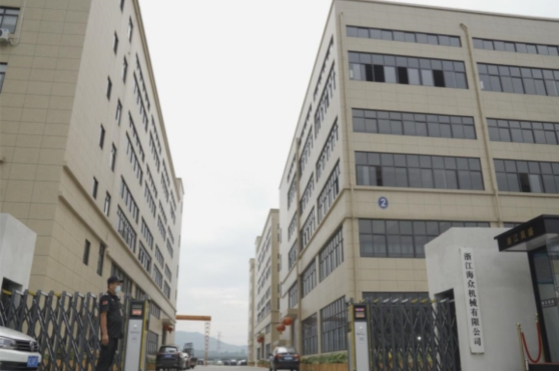
Zhejiang Haichina Machinery Co., Ltd. is a top maker of packing tools with more than twenty years of experience serving customers around the world. Our wide range of products includes high-tech horizontal flow wrapping systems designed for use in pharmaceuticals, cosmetics, food, and consumer goods.
Advanced Technology and Quality Certifications
Our tech team comes up with the newest ways to get things done. They use servo-driven controls, smart closing systems, and easy-to-use interfaces that are all meant to be as productive and reliable as possible. All of the gear has CE, ISO9001, and cGMP certifications, which makes sure that it meets global quality requirements. A wide range of tests on a lot of different products that meet performance standards, and a wide range of quality control methods that promise consistent manufacturing excellence are used. To meet the needs of a changing business, our research and development center always works on new ways to make packing technology better.
Global Service Network and Customer Support
Haichina works with more than 50 countries, offering local expert help and parts available to make sure that tools can be used all the time. Our service network has trained techs who can setup, start up, and provide ongoing upkeep assistance. Long, detailed training programs teach customers how to safely and efficiently use the tools. With remote diagnostics, you can quickly fix problems and give expert support to keep production running and overall efficiency high.
Conclusion
For Indonesian producers who want to be more productive, protect their products better, and spend less money, flow packing machine is a strategically worthwhile thing to invest in. When you know how price works, what technology can do, and how to choose a good seller, you can make smart purchasing decisions that meet the needs of your business. Buying things in bulk saves a lot of money, and long-term upkeep planning protects the worth of investments. Choosing the right amount of technology based on your output needs and working with trustworthy sources who offer full support are the keys to success.
FAQs
What factors most significantly impact flow packing machine pricing in bulk purchases?
The machine's capacity, the amount of automation, changes that are specific to the business, and the number of orders are the main factors that affect the price. The standard bulk price is anywhere from 10% to 25%, and customers can save even more by buying service packages that include installation, training, and longer guarantees. Final prices are greatly affected by technical details like motor controls, better closing systems, and the ability to integrate with other systems.
How do financing options affect total cost of ownership for large equipment purchases?
Leases give you access to the newest technology with built-in ways to improve, and they keep your capital liquid. Traditional funding comes with the perks of ownership and possible tax benefits. Deferred payments that line up with production ramp plans may be part of supplier credit schemes. Total cost analysis should include the costs of upkeep, training, and making sure that things run more efficiently, in addition to the costs of buying things in the first place.
What automation level provides optimal value for medium-scale production operations?
The best value for medium-scale businesses is usually offered by mid-range automatic systems because they are cost-effective and efficient. These systems can feed automatically, handle servos, and check on quality all while not being too complicated. When production is between 100 and 200 packages per minute, often better regularity and fewer labor costs make intermediate automation investments worth it.
Partner with Haichina for Your Flow Packing Machine Supplier Needs
Haichina offers complete package automation solutions based on decades of great production and service around the world. Our engineering team, which has a lot of experience, suggests personalized tools based on your budget and output needs. We fully back projects by designing and installing flow packing machine, teaching operators, and providing ongoing expert support to make sure that the equipment always works well. Our promise goes beyond delivering tools; we also offer quick service and make sure legitimate parts are available in places around the world. If you want to talk about how to automate your packing and get full technical offers with good prices for your next equipment-buying project, email us at [email protected].
References
Indonesian Packaging Industry Association Annual Report on Market Trends and Technology Adoption in Southeast Asian Manufacturing Sectors, 2023.
Smith, J.R. "Comparative Analysis of Horizontal Form-Fill-Seal Technologies in Modern Packaging Applications," International Packaging Technology Journal, Vol. 45, 2023.
Malaysia-Indonesia Packaging Equipment Trade Study: Investment Patterns and Technology Transfer in ASEAN Industrial Development, Economic Research Institute, 2023.
Chen, L.M. "Cost-Benefit Analysis of Automated Packaging Systems in Emerging Markets," Asian Manufacturing Review, Issue 3, 2023.
Indonesian Ministry of Industry Statistical Bulletin on Packaging Machinery Imports and Local Manufacturing Capacity Development, 2023.
Rodriguez, A.C. "Maintenance Strategies for Packaging Equipment in Tropical Manufacturing Environments," Tropical Industrial Engineering Quarterly, Vol. 28, 2023.