Blister Cartoning Machine: Turning Blisters into Retail Boxes
A blister cartoning machine is the important link between main blister packaging and retail goods that are ready for customers. It turns individual blister packs into properly packed cartons that are ready to be sent out. Precision engineering and smart control technology work together in these high-tech automatic systems to make sure that medicine tablets, cosmetic samples, and consumer goods get to the market in the best possible condition. Modern blister packaging machines are very fast, very accurate, and follow all the rules. They also cut down on work costs and mistakes made by people during the packing process.

Understanding the Blister Cartoning Machine and Its Working Principles
Blister cartoning tools are high-tech examples of automated packing that can easily combine different steps into a single production process. Advanced mechanical systems, air controls, and smart software are used in these tools to make sure that the packaging they make is always of high quality and meets strict industry standards.
Core Components and System Architecture
Module-based design is the key to making any plastic packaging method work well. The system for filling cartons uses specially designed hoppers that keep the supply of cartons steady while also being able to handle different box sizes and types. The carton raising process is controlled by high-tech servo motors that make sure each box opens all the way and stays the right size during the loading cycle.
The blister insertion system uses high-tech sensors and motorized guides to put items in the right place in each box. These parts work together to keep the fast throughput rates that can go over 300 boxes per minute in high-performance setups and keep the fragile pharmaceutical blisters from getting damaged.
Sequential Operation Workflow
Modern equipment for making cartons, including the blister cartoning machine, works in a carefully planned process that starts with getting the carton ready and continues with inserting the product, adding the leaflet, and finally closing the carton. Blank cartons are fed from the carton magazine to the making station. At this station, air systems open each box so that the blister packs can fit inside. Before letting the cycle continue, photoelectric sensors make sure that the cartons are formed correctly.
To put the products inside the ready-made boxes, precision-controlled mechanical arms or conveyor systems place the bubble packs gently inside. The system can handle blisters of different sizes and shapes while keeping the same level of placing accuracy. Quality control sensors watch each entry to make sure the right products are put in the right places and to find any items that are missing or not lined up right.
Material Compatibility and Handling Considerations
Understanding how materials work and what the standards are for compatibility are very important for successful cartoning operations. Pharmaceutical-grade stainless steel construction meets GMP standards and gives the product the sturdiness it needs to work continuously in harsh production settings. The contact areas of the machine have special coatings that keep them clean and avoid contamination between product changes.
Temperature and humidity control systems keep the surroundings at the right level so that both the carton materials and the goods inside them stay fresh. These environmental controls are especially important when working with medicines that are sensitive to wetness or cosmetics that are sensitive to temperature and need to be stored in a certain way.
Types and Key Features of Blister Cartoning Machines
Before you can choose the right cartoning tools, you need to know the benefits and uses of each machine setup. Choosing between automatic and semi-automatic systems has a big effect on how much work needs to be done, how efficient output is, and how much the whole process costs.
Fully Automatic vs Semi-Automatic Systems
Fully automatic blister cartoning machines can make a lot of boxes quickly and with little work from people. This makes them perfect for medicine and consumer goods companies that need to make a lot of boxes. These systems work perfectly with equipment that packs blisters upstream and case packing equipment that packs cases downstream to make full production lines. Advanced PLC control systems oversee the whole process of cartoning, from loading the boxes to checking their quality at the end.
For smaller production runs and changing products more often, semi-automatic setups give you more options. Some tasks of these tools need to be done by a person, but the most important packaging steps are still automated. Contract packing companies and makers with a wide range of products like semi-automatic systems because they are easier to use and require less money to set up.
Advanced Technology Integration
Modern tools for making cartons, such as blister cartoning machines, use cutting-edge technologies that improve performance and dependability. Servo-driven mechanisms allow for exact motion control, which lowers mechanical wear and raises the regularity of packing. Variable frequency drives let workers change the speed of output without hurting quality or putting too much stress on the machines.
Smart sensor networks keep an eye on every step of the packing process and give real-time feedback so that problems can be fixed right away. Before releasing final items, these monitors check to see if the carton is there, make sure the product is inside, and make sure the seal is still good. Integration with building management systems lets you keep an eye on things from afar and plan repairs ahead of time, which cuts down on unplanned downtime.
Energy Efficiency and Sustainability Features
Modern cartoning machines focus on saving energy by being smartly designed and running at their best. Variable speed drives change the output of the motor to fit the real needs of production. This lowers the amount of energy used when production is slow or when switching between products. Compared to traditional neon lighting, LED lighting systems give off a lot of light while using very little power.
Precision carton cutting that uses less material and improved control systems that cut down on starting waste during production changes are two features that help reduce waste. These changes to sustainability help companies meet their environmental goals while also lowering the costs of running their equipment over its entire lifetime.
How to Choose the Right Blister Cartoning Machine for Your Business
To choose the right machine, you need to carefully consider your long-term business goals, output needs, and operating limitations. When making a choice, it's important to weigh up current wants against the possibility of growth in the future. This way, the equipment chosen will still be useful for a long time.
Production Requirements Analysis
Before making a choice, make sure you have a clear picture of the present and expected output volumes. Depending on the complexity of the product and the size of the batch, pharmaceutical companies usually need tools that can handle 150 to 400 boxes per minute. In cosmetics and personal care, flexibility may be more important than raw speed, so tools that can handle regular product changes and high-quality packaging materials may be preferred.
It's important to think about the flat packs' measurements, thickness, and the materials they are made of. Some cartoning machines are great at making normal pharmaceutical blisters, but they have trouble with cosmetic products with odd shapes or consumer goods that are too big for their boxes. Make sure that the tools you're thinking about can handle all of your products without affecting the quality of the packaging or the speed of the process.
Cost Analysis and ROI Calculations
A full cost analysis must look at more than just the original buy price. It must also include the costs of setup, training, repairs, and ongoing operations. When you buy more expensive cartoning equipment up front, it usually pays off in the long run because it needs less upkeep, uses less energy, and makes you more productive.
Compare the costs of manual packing with the costs of automated options to figure out how much work could be saved. A standard blister cartoning machine can replace three to five people who package things by hand, making the process more consistent and lowering the risk of damage from repeated stress. When figuring out the return on investment, you should take these savings into account along with better quality and fewer damaged products.
Supplier Evaluation and Support Services
Check out possible providers' technical know-how, customer service skills, and ability to stay in business for a long time. Well-known brands like Bosch, IMA, and Uhlmann have large global service networks that make sure technology problems are fixed quickly. For certain uses, regional providers may be able to offer more personalized service and more affordable prices.
Check to see if there are spare parts, professional training programs, and ways to improve that will make the tools last longer. Suppliers that offer full help packages tend to be more valuable in the long run than those that only sell tools. Ask for examples from current customers in related fields to make sure the performance and service quality claims are true.
Procurement and Supply Chain Insights for Blister Cartoning Machines
How you buy things strategically can have a big effect on how much they cost, when they arrive, and how well they work in the long run. Knowing how the market works, what suppliers can do, and your financial choices will help you negotiate better and get better contract terms.
Market Analysis and Pricing Strategies
The prices of cartoning tools change all the time around the world because of the cost of raw materials, changes in currency exchange rates, and changes in regional demand trends. European makers usually charge higher prices because they use more advanced engineering and have larger service networks. However, Asian suppliers are becoming more affordable and raising the quality standards of their products.
When you buy things at the end of a supplier's fiscal year or during a trade show, you can often get better deals and better specs. During times of lower demand, many makers offer appealing deals. This is especially true in the pharmaceutical industry, where budget cycles make buying patterns predictable.
Financing and Leasing Options
Leasing equipment lets you use the latest blister cartoning machine technology without having to spend a lot of money on it all at once. When an operating lease is renewed, the technology can be updated, and the business can keep its working cash for other needs. To get the most out of your operational freedom, look for lease terms that include maintenance services and upgrade choices.
Traditional financing for equipment through banks or maker programs lets you own the equipment and spreads out the costs over more reasonable payment times. Government incentive programs may offer extra financial help for buying energy-efficient tools or starting domestic production projects that create jobs in the area.
Installation and Integration Services
Professional fitting ensures that the machine works at its best and that starting it up is as easy as possible. Technicians with a lot of experience know the integration requirements, safety rules, and launching processes that keep production from starting up late, which costs a lot of money. Include in installation contracts thorough training programs to make sure workers know all of the machine's functions and how to maintain it.
As production lines use more and more computerized systems, system interface services become more and more important. Make sure that the provider you've chosen can work with the makers of the equipment you already have and the building experts to make sure that everything runs smoothly. To work at their best, communication methods, safety interlocks, and output data systems need to be carefully coordinated.
Future Trends and Industry Outlook for Blister Cartoning Machines
As manufacturers adapt to changing market needs, government rules, and technology advances, the cartoning equipment business continues to change quickly. Knowing about these trends can help you choose the right tools and make plans for the long run.
Technological Advancement Trajectories
The next big step forward in automating cartoning is the merging of artificial intelligence. This will allow machines to learn from practical data and automatically improve their performance. These systems can figure out what repair is needed, how to handle changes in materials, and the best way to do changeovers without any help from a person. Early adopters say that the general efficiency of the equipment has improved a lot, and it's easier to use.
Connecting things to the internet lets you watch and control them from afar, which helps with spread manufacturing operations. Cloud-based analytics tools look at production data from many machines to find ways to make things better and to spot problems before they affect production. These skills are especially useful for contract makers who run more than one facility.
Sustainability and Environmental Considerations
Environmental laws continue to increase the need for more eco-friendly packing and production tools that use less energy, such as the blister cartoning machine. More and more, cartoning tools have features that cut down on material waste, energy use, and make it easier to make packages that can be recycled. In places where people care about the environment, manufacturers who put sustainability first often have an edge over their competitors.
The concepts of the circular economy guide the creation of equipment that focuses on making it last longer, be upgraded, and be recycled at the end of its useful life. More and more suppliers offer remanufacturing programs that make tools last longer and have less of an impact on the environment. These projects support environmental goals while giving people access to new technology at a low cost.
Market Evolution and Strategic Implications
The growth of the pharmaceutical market in developing economies is good for companies that make cartoning tools, but it also makes the competition tougher. To fight with well-known European names, regional manufacturers keep raising quality standards and adding more service options. Buyers gain from this competition because it leads to better prices and services.
Efforts to harmonize regulations slowly lower hurdles to the trade of tools between countries while setting uniform standards for quality and safety. When manufacturers spend money on quality standards and following the rules, they set themselves up for success as the global market grows. When judging possible providers and their long-term viability, keep these things in mind.
Conclusion
Manufacturers who want to improve their packing processes while keeping quality standards high need to buy blister cartoning machines. During the selection process, output needs, supplier skills, and long-term strategy goals must all be carefully thought through. Modern tools have amazing features that make them worth the money because they make work easier, cost less, and make better products. You can only be successful if you pick the right features, supplier help, and maintenance plans that fit your business's wants and objectives.
FAQ
1. What production speeds can modern blister cartoning machines achieve?
Modern plastic packaging machines can usually make anywhere from 60 to 400 boxes per minute, though this depends on how they are set up and how complicated the product is. Pharmaceutical applications usually work at 150 to 250 boxes per minute, but faster speeds may be possible for easier consumer goods. The actual output is based on the size of the box, the size of the blister, and the quality control standards.
2. How do I ensure GMP compliance with cartoning equipment?
GMP compliance calls for buildings made of stainless steel, cleaning methods that have been tested, and thorough record-keeping systems. Pick tools that are made to work with pharmaceuticals and have surfaces that are finished properly and are easy to clean. As required by law, supplier validation packages should include methods for performance qualification, operating qualification, and installation qualification.
3. What maintenance intervals are recommended for optimal performance?
As part of daily upkeep, lubrication checks and simple cleaning are done. Once a week, more thorough inspections of mechanical parts are done. Checking the accuracy and replacing worn parts should be part of the monthly upkeep. Specific times rely on the amount of work being done, the climate, and the features of the product, but following the manufacturer's advice will ensure the best performance and guarantee compliance.
Contact Haichina for Premium Blister Cartoning Solutions
Haichina makes cutting-edge blister cartoning machines that change the way packing is done thanks to their better engineering and track record of dependability. Our wide range of tools provides pharmaceutical, cosmetic, and consumer goods companies around the world with options that are faster, more accurate, and more in line with regulations than the norm. Haichina has been making high-quality products for over 20 years and has installations in more than 50 countries. They have the knowledge and help to make sure that projects go well. Email our skilled staff at [email protected] to talk about your unique packaging needs and find out how our high-tech cartoning tools can help you make more money while cutting down on costs.
References
1. Smith, J.A., and Brown, R.M. "Pharmaceutical Packaging Automation: Principles and Applications." Industrial Packaging Technology Journal, 2023.
2. Chen, L., et al. "Quality Control Systems in Modern Cartoning Equipment." Packaging Engineering Review, 2024.
3. Williams, K.P. "Cost-Benefit Analysis of Automated Packaging Systems." Manufacturing Economics Quarterly, 2023.
4. Thompson, D.R., and Garcia, M.S. "Regulatory Compliance in Pharmaceutical Packaging Equipment." Drug Manufacturing Today, 2024.
5. Anderson, P.J. "Sustainable Packaging Technologies: Environmental Impact and Economic Benefits." Green Manufacturing Review, 2023.
6. Liu, X., and Patel, S.N. "Integration Strategies for High-Speed Packaging Lines." Automation in Manufacturing, 2024.

Submit the form now to get a unique quote!
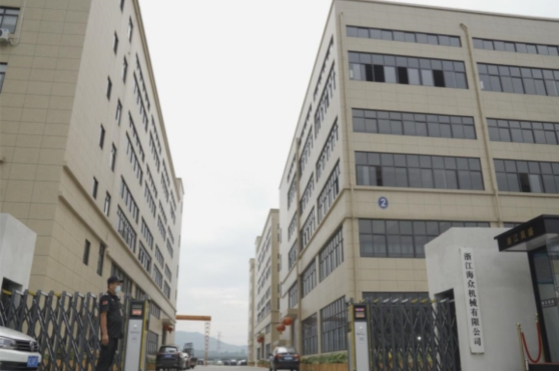
ZHEJIANG HAIZHONG MACHINERY CO., LTD.
Popular Blogs
-
 Successful caseProducts and services
How to Train Employees to Operate a Bottle Packing Machine Effectively?
-
 Successful caseIndustry insights
The Blister Packaging Process: A Complete Step-by-Step Guide
-
 Successful caseComparative analysisIndustry insights
What Type of PVC Is Best for Blister Packing Machines?