GMP Requirements for Blister Packaging Machines
Good Manufacturing Practice (GMP) rules for blister packaging machines are the rules that make sure packaging for medicines and medical devices meets high safety and quality standards. These detailed rules, made by governing bodies like the FDA, EMA, and WHO, say that every blister packaging machine has to have certain design features, follow certain operating routines, and keep good records. Adhering to GMP standards saves the safety of patients and makes sure that companies can handle complicated regulatory settings and keep their access to markets around the world.

Understanding GMP Requirements for Blister Packaging Machines
Good Manufacturing Practice (GMP) is the foundation of quality assurance in pharmaceutical manufacturing. It sets rules that must be followed in all stages of production, even when packing is involved. Regulatory bodies around the world have created complete frameworks that have direct effects on how packing machines are designed, how they are operated, and how they are validated.
Regulatory Framework and Authority Guidelines
In the US, the FDA's Code of Federal Regulations Title 21 Part 211 sets the main GMP requirements for pharmaceutical packaging. In the EU, the European Medicines Agency uses EU GMP rules to apply similar standards. These rules say that packing equipment has to work the same way every time, keep products germ-free, and allow full tracking throughout the whole packaging process.
The GMP guidelines from the World Health Organization make these rules apply all over the world. This makes sure that all packing equipment, including blister packaging machines, meets international standards, no matter where it is made. These frameworks stress that keeping processes clean, making sure equipment is qualified, and keeping records accurate are all basic requirements for following the rules.
Core GMP Principles for Packaging Operations
Material safety rules say that all areas that come into touch with the product must be made of pharmaceutical-grade materials that don't rust, don't get dirty, and don't react with chemicals. Compliant packing systems are built on stainless steel parts, FDA-approved polymers, and tested closing materials.
Protocols for controlling contamination need sealed packing, systems that maintain positive air pressure, and tested cleaning methods that get rid of the risk of cross-contamination. These steps protect the security of the product and make sure that the quality of the package is the same from one production run to the next.
Requirements for documentation and tracking set up thorough record-keeping systems that keep track of every step of the packing process, each batch of materials, and each quality control check. Electronic batch records, automatic data logging, and integrated quality management systems help companies follow the rules and make it easier to get ready for audits and return products when needed.
Core Features of Blister Packaging Machines That Ensure GMP Compliance
For modern pharmaceutical packaging, you need equipment that was made to be GMP-compliant. This means that it has to have design features and operational powers that meet legal requirements while keeping production efficient. These important differences set legal packing systems apart from regular business tools.
Material Construction and Surface Design
All product-contact surfaces on GMP-compliant packing tools are made of 316L stainless steel, which is very resistant to corrosion and works well with chemicals. Electropolished surfaces get rid of tiny cracks that germs could hide in, and clean welding methods stop bacteria from growing in joint areas.
The modular design makes it easier to clean and maintain things thoroughly, and it lets workers get to all parts of the equipment to make sure they are working properly and clean them. Removable parts, open access panels, and tool-free removal make it easy to switch out components while still following contamination control rules.
Automation Systems and Quality Control Integration
Advanced automation reduces the need for human involvement in the packing process. This lowers the risk of contamination and ensures that the standard of the products stays the same. Vision inspection technology, servo-driven filling systems, and automatic reject devices keep tight control over the packing process.
Critical process factors, such as closing temperature, pressure levels, material feed rates, and blister packaging machine parameters, can be tracked in real time. These systems create constant amounts of data that help with statistical process control and send out instant alerts when parameters go outside of set limits.
Electronic data integrity systems keep notes of all the steps used in packing that can't be changed, which helps companies follow FDA 21 CFR Part 11. Digital seals, audit trails, and automated backups make sure that data is accurate and make it easier for regulators and quality investigators to check it.
Environmental Control and Contamination Prevention
Closed-system packing conditions keep the air clean so that microbes don't grow and particles don't get into the air. Positive pressure control, HEPA filtration systems, and environmental tracking all help meet the standards for a cleanroom classification while keeping the products sterile.
Automated sanitization processes that get rid of the need for human cleaning variables are made possible by integrated cleaning-in-place systems. Validated cleaning agents, controlled temperature cycles, and written proof of cleaning help keep things clean while limiting the exposure of workers to cleaning chemicals.
GMP-Compliant Blister Packaging Process Workflow
For pharmaceutical blister packing to work, the steps for handling materials, shaping them, adding products, sealing them, and checking their quality must all be carefully coordinated. Each step must follow GMP guidelines and support high production output and uniform product quality.
Material Preparation and Environmental Control
The first step in qualifying raw materials is inspecting pharmaceutical-grade PVC films, aluminum foils, and glue systems to make sure they meet quality standards. Protocols for storing materials keep the temperature and humidity under control and stop pollution from happening during handling.
Depending on the need for product sterility, cleanrooms around packing processes keep ISO 7 or ISO 8 classification levels. Environmental tracking systems keep an eye on particle counts, bacteria levels, and the weather all the time to make sure that limits are being followed.
Forming and Sealing Operations Under GMP Standards
When thermoforming, heating devices are carefully handled to keep the temperature level even across the forming zone. Temperature tracking and control systems make sure that blisters form consistently and stop materials from breaking down in ways that could damage the structure of the package.
Automated dispensing systems are used in product loading processes to avoid human handling and make sure that the right amount of product is given. Before sealing starts, vision screening systems make sure that the goods are in the right place and find any that are missing or broken on the blister packaging machine.
Validated temperature and pressure profiles are used in heat sealing methods to make sure that a hermetic seal forms without hurting the contents of the product. Seal integrity testing devices make sure that packages are hermetically sealed while still meeting the needs of production flow.
Quality Control and Serialization Integration
Inline inspection devices check the quality of everything, like the integrity of the seal, the size of the box, and for obvious defects. Automated rejecting systems get rid of packages that don't meet standards. This keeps production going and keeps good products from getting contaminated.
Serialization methods give each package a unique identification code. This helps with the Drug Supply Chain Security Act's standards for track-and-trace. These systems work with production execution systems to keep full records of the history of a product from its raw materials to its final release.
Selecting GMP-Compliant Blister Packaging Machines for Your Facility
When buying blister packaging machines, it's important to think about how well it will meet regulatory requirements, how flexible it will be to use, and how much long-term help it will need. Knowing these important selection factors lets you make smart buying choices that meet the needs of current production and prepare for future changes in regulations.
Certification and Validation Requirements
Suppliers of equipment must provide full certification paperwork, which should include methods for Installation Qualification, Operational Qualification, and Performance Qualification. These papers lay the groundwork for following the rules and help with actions that validate the facility.
CE marking certification shows that the product meets European safety and performance standards, and cGMP certification shows that the product meets the requirements for making medicines. Independent checks of equipment performance and legal compliance are done by third-party certification services.
Operational Flexibility and Scalability Considerations
Multi-format capability lets your blister packaging machine package a wide range of product shapes and sizes without having to make major changes to the equipment. With quick-changeover systems, there is less downtime between runs of a product while still following cleaning and checking processes.
With modular expansion choices, you can increase your production output without having to buy all new equipment. Growing output numbers can be handled by scalable automation systems that keep quality standards high and make sure they follow the rules.
The speed at which production can happen must balance the need for output with the need for quality control. For actions that happen quickly, you need advanced control systems that can keep accurate parameter control while also meeting the needs for statistical process tracking.
Supplier Evaluation and Audit Processes
In order to qualify a supplier, factory quality processes, technical skills, and a past of following the rules must be checked. Site audits check out the places where things are made, the methods for quality control, and the technical help that is available.
Support services after the sale, like preventative maintenance programs, spare parts available, and expert training, make sure that the equipment keeps working well and meets all regulations. Global service networks make sure that help is uniform across many production sites.
Best Practices and Maintenance Tips for Sustained GMP Compliance
GMP compliance demands strict adherence to set processes, regular repair of equipment, and ongoing tracking of key performance indicators. These practices make sure that regulations are always followed, and they also improve the quality of the products and the dependability of the tools.
Cleaning and Sanitization Protocols
Cleaning must be done every day according to approved methods that get rid of product leftovers and possible contaminants. Validating a cleaning agent makes sure that it works well with the materials of the tools and doesn't damage them.
Cleaning verification testing, which includes residue testing and microbial tracking, makes sure that the cleaning methods work. These procedures have to show that they consistently clean while also passing certain acceptance standards.
Deep cleaning once a week takes care of parts of tools and surfaces that are hard to reach that aren't cleaned during regular cleaning. These detailed methods keep the equipment clean overall and meet the standards for regular cleaning.
Preventive Maintenance and Calibration Programs
Scheduled repair tasks include both what the maker suggests and GMP-specific rules for keeping records and being able to track down parts. Maintenance records must show a past of consistent care for tools and replacement of parts.
Regular checks of temperature monitors, pressure detectors, blister packaging machine and control systems are part of calibration programs that make sure measurement systems are accurate. Calibration certificates and records of tracking help with legal compliance and keep process control functions.
Schedules for replacing wear parts keep equipment from breaking down, which could hurt the quality of the product or make it harder to follow the rules. Inventory management systems make sure that important extra parts are always available and keep track of quality paperwork and component tracking.
Change Control and Revalidation Procedures
Changes to equipment need to go through official change control processes that look at how they might affect product quality and compliance with regulations. Risk assessments figure out what validation tasks need to be done to back up suggested changes while still keeping working compliance.
Revalidation procedures cover changes to tools and processes, as well as the need for regular compliance checks. These steps make sure that regulations are always followed and help with efforts to keep getting better.
All changes to tools, maintenance tasks, and results from tracking performance must be reflected in new versions of the documentation. Version control systems keep up with the latest processes while keeping old records for review and auditing by regulators.
Conclusion
GMP requirements for blister packaging machines set high standards that keep patients safe and make sure that all global markets follow the rules. Modern package systems need to have certain design elements, operating powers, and documentation systems that can meet these high standards while keeping production costs low and quality high. Investing in equipment that has been properly developed and tested is the best way to ensure long-term compliance and operating success in pharmaceutical manufacturing settings.
FAQ
1. How often should GMP-compliant packaging equipment undergo revalidation?
Schedules for revalidation depend on changes to technology, processes, and government rules. For normal activities, revalidation usually happens every three to five years. Any major changes to the equipment, the process parameters, or new rules may require instant revalidation, even if it's not supposed to happen at a set time.
2. What distinguishes GMP-compliant equipment from standard packaging machinery?
Pharmaceutical-grade materials, validated cleaning processes, full documentation systems, and contamination control features that go above and beyond what is required by standard commercial packing are all part of GMP-compliant systems. Because they are built for pharmaceutical use, these systems offer better process control, data accuracy, and validation.
3. Can existing packaging equipment be upgraded to meet GMP standards?
Retrofitting old equipment is hard because of issues with suitability of materials, design limits, and the need for proof. It may be possible to make some improvements, but new equipment made to meet GMP standards is usually more stable and less expensive for medicinal uses.
Partner with Haichina for GMP-Compliant Packaging Solutions
Haichina offers complete packaging automation solutions that are designed to work in pharmaceutical production settings that need to follow strict GMP guidelines. Our high-tech packing systems use tested designs, materials that are safe for pharmaceuticals, and built-in quality control features that meet legal standards and make production as efficient as possible. With CE, ISO9001, and cGMP licenses and more than 20 years of experience in the field, we are a reliable blister packaging machine maker with technical support services available all over the world. Email our experts at [email protected] to talk about your unique GMP compliance needs and find out how our tried-and-true packaging solutions can help your industrial processes.
References
1. Smith, J.R. and Williams, K.L. "Good Manufacturing Practice Guidelines for Pharmaceutical Packaging Equipment Design and Validation." Pharmaceutical Engineering Journal, Vol. 45, No. 3, 2023, pp. 78-95.
2. Johnson, M.E., et al. "Regulatory Compliance Requirements for Blister Packaging Systems in Global Pharmaceutical Manufacturing." International Journal of Pharmaceutical Manufacturing, Vol. 18, No. 2, 2023, pp. 156-171.
3. Brown, A.P. and Davis, R.T. "Equipment Validation Protocols for GMP-Compliant Packaging Operations." Pharmaceutical Quality Assurance Review, Vol. 29, No. 4, 2023, pp. 203-218.
4. Anderson, S.K. "Material Requirements and Contamination Control in Pharmaceutical Packaging Systems." Journal of Pharmaceutical Sciences and Technology, Vol. 52, No. 1, 2023, pp. 45-62.
5. Thompson, L.M., et al. "Automation and Data Integrity in Modern Pharmaceutical Packaging Operations." Pharmaceutical Manufacturing and Engineering, Vol. 31, No. 6, 2023, pp. 289-304.
6. Wilson, P.J. and Miller, C.A. "Maintenance and Cleaning Validation Strategies for Pharmaceutical Packaging Equipment." Quality Assurance in Pharmaceutical Operations, Vol. 14, No. 5, 2023, pp. 134-149.

Submit the form now to get a unique quote!
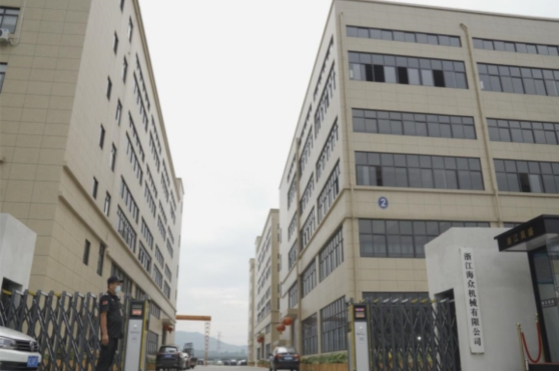
ZHEJIANG HAIZHONG MACHINERY CO., LTD.
Popular Blogs
-
 Successful caseProducts and services
How to Train Employees to Operate a Bottle Packing Machine Effectively?
-
 Successful caseIndustry insights
The Blister Packaging Process: A Complete Step-by-Step Guide
-
 Successful caseComparative analysisIndustry insights
What Type of PVC Is Best for Blister Packing Machines?