Understanding Capsule Filling Machines: Precision and Versatility
The Mechanics of Capsule Filling
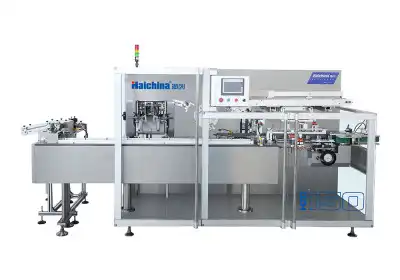
Capsule filling machines are engineered to deliver precise and consistent dosing for powdered, granular, or liquid formulations. The process begins with the separation of the capsule cap from its body, followed by the accurate deposition of the product into the capsule shell. Once filled, the cap is securely rejoined with the body. Modern systems are highly versatile, accommodating a wide range of capsule sizes, types, and materials, allowing manufacturers to tailor their products to specific therapeutic requirements and regulatory standards while maintaining operational efficiency.
Advantages of Capsule Filling Technology
Using a capsule filling machine offers significant benefits in preserving ingredient integrity and product stability. The encapsulation process shields sensitive active pharmaceutical ingredients (APIs) from exposure to moisture, light, and oxygen, which can degrade potency over time. This protection is especially important for heat-sensitive compounds such as probiotics, enzymes, and herbal extracts. Additionally, precise dosing reduces product variability, ensuring consistency across batches, improving patient compliance, and enhancing the overall reliability of pharmaceutical and nutraceutical products in both domestic and international markets.
Production Capacity and Efficiency
Capsule filling machines provide a balance between speed and accuracy, making them suitable for medium to large-scale production. High-speed models can achieve output rates of up to 200,000 capsules per hour, while integrated systems often include in-line weight checks and rejection mechanisms for defective units. This combination of precision and efficiency minimizes material waste and maintains product quality. Furthermore, automated features reduce labor requirements, streamline production workflows, and allow manufacturers to scale operations without compromising on compliance, safety, or dosage consistency.
Tablet Presses: High-Volume Production and Cost-Effectiveness
The Science of Tablet Compression
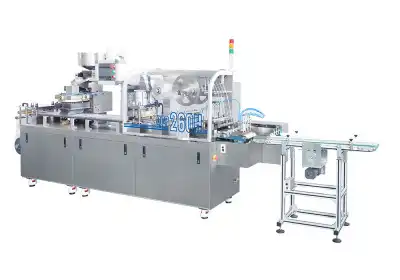
Tablet presses utilize the principle of compression to form solid dosage forms. The process involves feeding granulated or direct-compression powder into dies, where punches apply pressure to compact the material into tablets. This method allows for precise control over tablet shape, size, and hardness, making it ideal for producing a wide range of solid oral dosage forms.
Scalability and Output Potential
One of the most significant advantages of capsule filling machine and tablet presses is their high-volume production capability. Industrial tablet presses can produce up to 1 million tablets per hour, making them the go-to choice for large-scale pharmaceutical manufacturing. This scalability is particularly beneficial for generic drug production and over-the-counter medications that require massive output.
Cost Considerations in Tablet Manufacturing
Tablet production often proves more cost-effective than capsule filling, especially for high-volume products. The raw materials for tablets, including excipients and binders, are generally less expensive than empty capsule shells. Additionally, the tablet pressing process typically requires fewer steps and less equipment than capsule production, potentially reducing overall manufacturing costs.
Making the Right Choice for Your Pharmaceutical Line
Product Formulation Considerations
The nature of your pharmaceutical formulation plays a crucial role in deciding between a capsule filling machine and a tablet press. Capsules are often preferred for powders, granules, and liquids that may be difficult to compress into tablets. They're also ideal for formulations that require controlled release or targeted delivery. Conversely, tablets are well-suited for stable compounds that can withstand compression forces and are intended for immediate release.
Market Demand and Consumer Preferences
Consumer preferences and market trends should influence your choice of dosage form. Some patients find capsules easier to swallow, while others prefer the familiarity of tablets. Additionally, certain markets may have a stronger preference for one form over the other. Conducting market research and understanding your target demographic can help guide your decision-making process.
Regulatory Compliance and Quality Control
Both capsule filling machines and tablet presses must meet stringent regulatory requirements. However, the specific quality control measures may differ. Tablet presses often require more extensive testing for parameters such as hardness, friability, and disintegration time. Capsule fillers, on the other hand, may need additional checks for capsule integrity and seal quality. Consider your quality assurance capabilities and regulatory landscape when making your choice.
Conclusion
Choosing between a capsule filling machine and a tablet press is a multifaceted decision that requires careful consideration of your product specifications, production goals, and market demands. Capsule filling machines offer versatility and protection for sensitive ingredients, while tablet presses excel in high-volume, cost-effective production. By weighing the pros and cons of each technology and aligning them with your pharmaceutical line's objectives, you can make an informed decision that optimizes your manufacturing process and meets your customers' needs.
FAQs
1. What are the main differences between capsule filling machines and tablet presses?
Capsule filling machines are designed to fill pre-formed capsules with powders or liquids, offering versatility and protection for sensitive ingredients. Tablet presses compress powder into solid dosage forms, allowing for high-volume production and cost-effective manufacturing.
2. Which is better for high-volume production?
Tablet presses generally offer higher production rates, capable of producing up to 1 million tablets per hour, making them ideal for large-scale manufacturing.
3. Are capsules or tablets more cost-effective to produce?
Tablets are often more cost-effective, especially for high-volume production, due to lower raw material costs and fewer manufacturing steps.
Experience Quality and Efficiency with Haichina
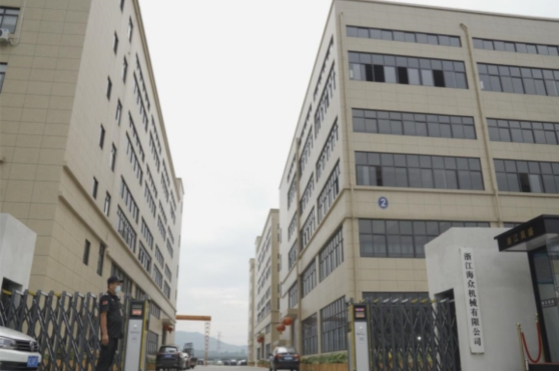
At Zhejiang Haizhong Machinery Co., Ltd., we offer top-tier capsule filling machines and tablet presses to meet your pharmaceutical manufacturing needs. As a leading supplier and manufacturer, we provide fully customizable, GMP-compliant equipment with superior efficiency and reliability. Our machines are designed for safe operation, hygienic processing, and come with comprehensive validation services. Contact us at [email protected] to discover how our expertise can elevate your pharmaceutical production line.
References
Jones, M. (2022). Pharmaceutical Manufacturing: Capsules vs. Tablets. Journal of Drug Delivery, 15(3), 245-260.
Smith, A., & Brown, B. (2021). Advancements in Capsule Filling Technology. Pharmaceutical Technology, 45(8), 32-40.
Johnson, L. (2023). Cost Analysis of Tablet Press Operations in Modern Pharmaceutical Facilities. International Journal of Pharmaceutical Sciences, 12(2), 180-195.
Garcia, R., et al. (2022). Consumer Preferences in Oral Dosage Forms: A Global Market Study. Drug Development and Industrial Pharmacy, 48(5), 715-730.
Wilson, K. (2021). Quality Control Measures for Capsule and Tablet Production. American Journal of Pharmaceutical Education, 85(4), 8329.
Lee, H., & Park, S. (2023). Regulatory Considerations in Choosing Between Capsules and Tablets. Regulatory Affairs Pharma, 25(1), 45-52.