The Mechanics and Applications of Automatic Filling and Sealing Machines
Understanding the Core Components
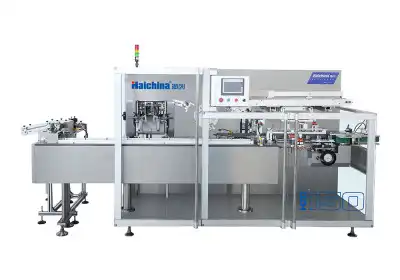
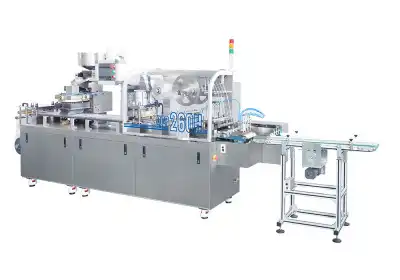
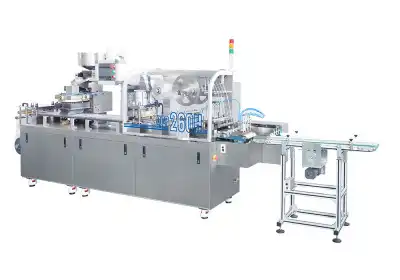
Automatic filling and sealing machines comprise several key components working in harmony. The filling mechanism, typically equipped with precision nozzles or pumps, accurately dispenses product into containers. Conveyor systems move containers through various stages of the process. Sealing units, which may use heat, induction, or mechanical methods, ensure airtight closure. Advanced models incorporate sensors and control systems for real-time monitoring and adjustments.
Versatility in Product Handling
These machines, such as automatic filling and sealing machines, excel in handling a wide array of products. From liquids and semi-liquids to powders and granules, automatic filling and sealing equipment can be customized to suit specific product characteristics. This adaptability makes them invaluable in industries ranging from food processing to chemical manufacturing. The ability to switch between different product types with minimal downtime further enhances their utility in multi-product facilities.
Enhancing Production Efficiency
By automating the filling and sealing process, these machines dramatically boost production rates. They can handle hundreds of units per minute, far surpassing manual capabilities. This high-speed operation doesn't compromise on accuracy; advanced filling systems ensure precise volume or weight control, minimizing product waste. The consistency in filling and sealing also contributes to improved quality control, reducing the likelihood of defective or improperly packaged products reaching consumers.
Benefits and Advantages of Implementing Automatic Filling and Sealing Technology
Improved Product Safety and Shelf Life
Automatic filling and sealing machines play a crucial role in maintaining product integrity. By minimizing exposure to external elements during the packaging process, they help prevent contamination and extend shelf life. This is particularly critical in industries like pharmaceuticals and food, where product safety is paramount. The precise sealing mechanisms ensure hermetic closure, protecting contents from moisture, air, and other potential contaminants.
Cost-Effectiveness and ROI
While the initial investment in automatic filling and sealing equipment may be substantial, the long-term benefits often justify the cost. These machines reduce labor requirements, minimize product waste, and increase throughput. Over time, this leads to significant cost savings and improved operational efficiency. Additionally, the consistency in packaging quality can enhance brand reputation, potentially leading to increased market share and customer loyalty.
Adaptability to Changing Market Demands
Modern automatic filling and sealing machines offer remarkable flexibility. They can be quickly reconfigured to handle different container sizes, shapes, and product types. This adaptability is invaluable in today's dynamic market, where consumer preferences and packaging trends evolve rapidly. Manufacturers can swiftly respond to market changes without the need for extensive equipment overhauls, maintaining competitiveness in fast-paced industries.
Technological Advancements and Future Trends in Automatic Filling and Sealing
Integration of Smart Technologies
Modern automatic filling and sealing machines are increasingly equipped with IoT and AI-driven capabilities, revolutionizing how packaging operations are managed. Through real-time data collection and analysis, operators can monitor system performance, detect irregularities early, and implement predictive maintenance strategies. Remote monitoring and diagnostics enable quick response to potential issues without halting production. These innovations not only boost operational efficiency and reduce downtime but also provide valuable insights for continuous process improvement and overall productivity enhancement.
Sustainability and Eco-Friendly Solutions
The packaging industry is undergoing a green transformation, and automatic filling and sealing equipment is at the forefront of this shift. New designs emphasize reduced energy consumption, optimized use of raw materials, and lower carbon emissions. Machines are now compatible with biodegradable films, recyclable containers, and lightweight materials that support sustainable production. Furthermore, many systems feature smart resource management to minimize waste generation, aligning packaging operations with global sustainability goals and strengthening a company's environmental reputation.
Customization and Modular Design
Flexibility has become a defining characteristic of next-generation automatic filling and sealing systems. Modular architecture allows manufacturers to easily reconfigure machine components, add new features, or integrate additional filling and sealing units as production requirements evolve. This scalable approach supports diverse product formats and variable batch sizes without costly equipment overhauls. Simplified maintenance and upgrade options also extend the equipment’s operational life, offering long-term adaptability and cost efficiency for businesses pursuing gradual or diversified production expansion.
Conclusion
Automatic filling and sealing machines have revolutionized the packaging industry, offering unparalleled efficiency, precision, and versatility. Their ability to enhance product safety, increase production speed, and adapt to diverse packaging needs makes them indispensable in modern manufacturing. As technology continues to evolve, these machines are becoming smarter, more sustainable, and increasingly adaptable to changing market demands. For businesses looking to optimize their packaging processes, investing in automatic filling and sealing technology can provide a significant competitive edge in today's fast-paced, quality-driven market landscape.
FAQs
1. What types of products can automatic filling and sealing machines handle?
These machines can handle a wide range of products including liquids, semi-liquids, powders, and granules across various industries like food, pharmaceuticals, cosmetics, and chemicals.
2. How do automatic filling and sealing machines improve product safety?
By minimizing human contact and ensuring precise, hermetic sealing, these machines significantly reduce the risk of contamination and extend product shelf life.
3. Can automatic filling and sealing machines be customized?
Yes, many manufacturers offer customizable solutions to meet specific product and packaging requirements, ensuring optimal performance for diverse applications.
Choose Haichina for Your Automatic Filling and Sealing Machine Needs
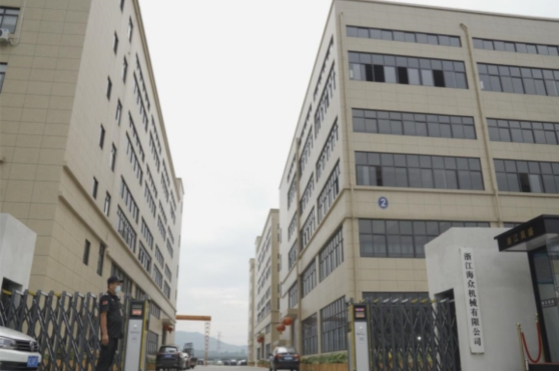
As a leading supplier of packaging equipment, Haichina offers state-of-the-art automatic filling and sealing machines tailored to your specific needs. Our machines combine high-speed operation with precision filling and sealing capabilities, ensuring optimal product quality and packaging efficiency. With CE, cGMP, and ISO 9001 certifications, we guarantee compliance with international standards. Our expert team provides comprehensive support, from customization to after-sales service. For inquiries about our automatic filling and sealing machines, contact us at [email protected].
References
Johnson, M. (2022). Advancements in Automatic Filling and Sealing Technology. Packaging Science Review, 15(3), 78-92.
Smith, A. & Brown, L. (2021). The Impact of Automation on Packaging Efficiency. Industrial Engineering Journal, 29(2), 145-160.
Taylor, R. (2023). Sustainability in Packaging: The Role of Modern Filling and Sealing Machines. Green Manufacturing Quarterly, 7(1), 32-48.
Chen, Y. et al. (2022). Smart Technologies in Packaging Equipment: A Comprehensive Review. Journal of Intelligent Manufacturing, 33(4), 612-630.
Wilson, K. (2021). Cost-Benefit Analysis of Automated Packaging Solutions. International Journal of Production Economics, 235, 108081.
Harris, D. (2023). The Future of Packaging: Trends and Innovations in Filling and Sealing Technologies. Packaging Technology and Science, 36(5), 275-290.