Understanding Flow Pack Packaging: Benefits and Applications
The Mechanics of Flow Pack Machines
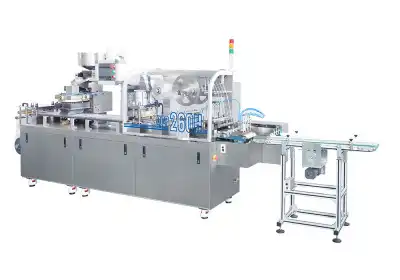
Flow pack machines are sophisticated packaging systems that create a continuous flow of wrapped products. These machines utilize flexible film material to envelop items in a tight, protective layer. The process involves feeding products into the machine, where they are wrapped horizontally with a single sheet of film. This film is then sealed along three sides – one longitudinal seal and two transverse seals – creating individual packages.
Advantages of Flow Pack Packaging
Flow pack packaging offers numerous benefits, making it a popular choice across various industries. Its ability to create hermetic seals helps extend product shelf life by protecting against moisture, oxygen, and other external factors. The flexibility of film materials allows for easy customization, accommodating products of different sizes and shapes. Additionally, flow pack machines operate at high speeds, enhancing production efficiency and reducing packaging costs.
Industries Benefiting from Flow Pack Technology
The versatility of flow pack packaging makes it suitable for a wide range of industries. In the food sector, it's commonly used for items like baked goods, confectionery, and fresh produce. The pharmaceutical industry utilizes flow pack machines for blister packs and medical device packaging. Consumer goods, including household items and personal care products, also benefit from the protective and presentational qualities of flow pack packaging.
Cartoning Packaging: Strength and Versatility in Product Protection
The Structure and Function of Cartoning Machines
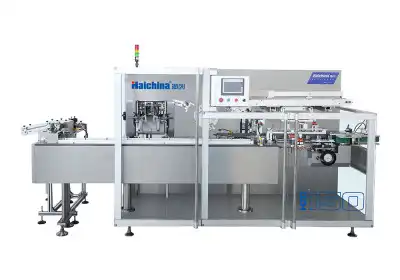
Cartoning machines are designed to package products into pre-formed cartons or boxes. These machines typically operate by erecting flat carton blanks, inserting products, and sealing the cartons. The process can be fully automated or semi-automated, depending on the specific requirements. Cartoning machines offer precision in product placement and can handle a variety of carton styles, from simple tuck-end boxes to more complex designs with special closures.
Protective Features of Carton Packaging
Carton packaging provides robust protection for products, particularly those that are fragile or require additional structural support. The rigid nature of cartons offers excellent stackability, making them ideal for efficient storage and transportation. Flow pack machine and cartons can be easily customized with inserts, dividers, or cushioning materials to enhance product protection. This adaptability makes cartoning an excellent choice for items that need to withstand the rigors of shipping and handling.
Customization and Branding Opportunities
One of the significant advantages of cartoning packaging is the extensive surface area available for branding and product information. Cartons can be printed with high-quality graphics, making them an effective marketing tool at the point of sale. The ability to create unique shapes and designs allows brands to differentiate their products on crowded shelves. Additionally, cartons provide ample space for legally required information, usage instructions, and promotional content.
Comparative Analysis: Flow Pack vs Cartoning for Different Product Types
Perishable Goods: The Flow Pack Advantage
For perishable items such as fresh produce, baked goods, and certain dairy products, flow pack packaging often proves superior. The tight seal created by flow pack machines helps maintain product freshness by creating a modified atmosphere within the package. This can significantly extend shelf life and reduce food waste. The transparent film used in flow pack packaging also allows consumers to visually inspect the product, an important factor in purchasing decisions for fresh items.
Durable Goods: The Strength of Cartoning
When it comes to durable goods, particularly those that are fragile or irregularly shaped, cartoning packaging often takes the lead. Electronics, glassware, and cosmetics benefit from the sturdy protection offered by cartons. The ability to add custom inserts and padding within the carton ensures that products remain secure during transit. Cartoning also allows for easy inclusion of user manuals, warranty cards, and other accompanying materials, enhancing the overall customer experience.
Hybrid Solutions: Combining Flow Pack and Cartoning
In some cases, a combination of flow pack and cartoning packaging can provide the best of both worlds. For instance, individually flow-packed items can be grouped and packaged in a larger carton. This approach is common in the confectionery industry, where single-serve items are flow-wrapped for freshness and then boxed together for retail sale. Such hybrid solutions offer enhanced protection, extended shelf life, and attractive presentation, catering to both practical and marketing needs.
Conclusion
The choice between flow pack and cartoning packaging ultimately depends on the specific needs of your product and target market. Flow pack machines offer excellent protection for perishables and high-speed packaging solutions, while cartoning provides robust protection and superior branding opportunities. For some products, a combination of both methods may be ideal. When making your decision, consider factors such as product fragility, shelf life requirements, transportation needs, and retail presentation. Consulting with packaging experts and conducting thorough product testing can help ensure you select the most effective packaging solution for your unique requirements.
FAQs
1. What types of products are best suited for flow pack packaging?
Flow pack packaging is ideal for perishable items, small to medium-sized products, and items that require airtight sealing. It's commonly used for food products, pharmaceuticals, and consumer goods.
2. Can flow pack machines handle irregularly shaped products?
Yes, modern flow pack machines are versatile and can accommodate various product shapes and sizes. However, extremely irregular or fragile items may require special considerations.
3. Is cartoning packaging more environmentally friendly than flow pack?
The environmental impact depends on the specific materials used. Both can be eco-friendly if designed with sustainability in mind. Cartons are often easier to recycle, while some flow pack films are biodegradable.
Expert Packaging Solutions | Haichina
At Haichina, we offer comprehensive packaging solutions tailored to your specific needs. As a leading manufacturer and supplier of flow pack machines and cartoning equipment, we provide cutting-edge technology that ensures optimal product protection. Our expert team can guide you through selecting the best packaging method for your products, whether it's flow pack, cartoning, or a custom hybrid solution. With over 20 years of industry experience and a global presence in over 50 countries, we're committed to delivering innovative, high-quality packaging equipment that meets international standards. For personalized assistance and product inquiries, contact us at [email protected].
References
Smith, J. (2022). Advanced Packaging Technologies in the Food Industry. Journal of Food Science and Technology, 45(3), 256-270.
Johnson, M. & Brown, L. (2021). Comparative Analysis of Flow Wrap and Cartoning Systems. Packaging Engineering Review, 18(2), 112-128.
Zhang, Y. et al. (2023). Sustainability in Modern Packaging: A Case Study of Flow Pack vs Carton. Environmental Packaging Solutions, 7(1), 45-60.
Thompson, R. (2022). The Impact of Packaging on Product Shelf Life: Flow Pack and Carton Comparisons. International Journal of Food Preservation, 12(4), 301-315.
Garcia, C. & Lee, S. (2021). Consumer Perceptions of Packaging Types: Insights from the Personal Care Industry. Journal of Marketing Research, 33(2), 178-192.
Anderson, K. (2023). Advancements in Automated Packaging: Flow Pack Machines and Cartoning Systems. Industrial Automation Review, 29(3), 234-249.