Food Safety Standards for Flow Packing Machines
Food safety standards for flow packing machines are important rules that control how automatic packaging equipment is built, used, and kept up in food processing settings. To keep things from getting contaminated, modern flow packing machines have to follow strict international rules like FDA guidelines, HACCP routines, and ISO 22000 requirements. These strict rules make sure that horizontal flow wrappers and continuous packing systems keep the highest level of cleanliness during all stages of production. This protects the integrity of the product and the health of consumers while also meeting global market regulations.
Understanding Food Safety Challenges in Flow Packing Machines
Modern food packing is very complicated, and there are many ways for food to get contaminated that need to be managed in a planned way. There are three main types of safety risks that flow wrapping systems face that can affect both the quality of the product and the safety of the customer.
Microbial Contamination Sources
The biggest threat in places where automatic packing is used is contamination by bacteria and viruses. Microorganisms can grow and spread because flow wrapping equipment has a lot of touch points. If you don't follow the right cleaning procedures, the film unwinding mechanism, forming plow parts, and closing stations are all great places for pathogens to grow.
During the closing process, changes in temperature can cause fog zones where water builds up and bacteria can grow. According to research, making plows that haven't been properly cleaned can hold Listeria monocytogenes for long periods of time, which could contaminate thousands of goods before they are found.
Chemical and Physical Hazards
Chemical pollution in food often comes from cleaners, lubricants, and packing materials that come into touch with food. Harmful substances can get into the packaging surroundings if the wrong materials are used or if the flow packing machine isn't maintained properly. Metal pieces from worn-out machinery parts, plastic pieces from broken-down parts, and foreign items that get into the wrapping stream are all physical dangers.
The ability to find these toxins has been greatly improved by the addition of modern monitor technology. Modern optical systems and metal scanners can find foreign materials before they are put in the final package. This lowers the chance of a recall and protects the brand's image.
Regulatory Framework Compliance
International guidelines for food safety set requirements for how packing equipment must be designed and how it must be used. The FDA Food Safety Modernization Act stresses that companies that make packing tools must include safety features in their plans. FSSC 22000 rules in the European Union say that all surfaces that come into touch with food must go through a full hazard analysis and risk assessment procedure.
The ISO 22000 standards require that food safety management be done in a planned way. This includes how equipment is designed, how it is used, and how it should be maintained. These models need written verification processes and systems that keep an eye on things all the time to make sure that they are always followed during production cycles.
One interesting case study is about a big candy company that had to return a lot of products because their flow wrapping equipment wasn't clean enough. Because of this, the event led to reviews by regulators and large fines, which shows how important it is to follow strict food safety rules when packaging goods.
Essential Food Safety Features and Automation in Flow Packing Machines
Modern packing equipment's ability to keep food safe has changed because of new robotic technologies. These complex systems require less human input while improving the ability to find and stop pollution.
Automated Cleaning and Sterilization Systems
The Clean-In-Place (CIP) and Sterilize-In-Place (SIP) systems are huge steps forward in keeping packaging tools clean. These automated systems get rid of the need for hand cleaning, which can be dangerous because tools and surfaces don't get properly sanitized and can spread germs.
CIP systems use carefully managed chemical solutions and rinse processes that get rid of organic residues and all germs that could be on surfaces that come into touch with food. Temperature tracking makes sure that cleaning solutions keep working at their best during the sanitization stage. Conductivity monitors in more advanced CIP systems make sure that all of the cleaning chemicals are gone before production starts up again.
In addition to chemical sanitization, SIP technology uses controlled heat treatment to get rid of viruses and bacterial germs that are resistant to chemicals. These systems make sure that all surfaces of the equipment stay at the same precise temperature. This makes sure that all surfaces are sterilized evenly without hurting sensitive machinery parts.
Food-Grade Material Standards
The choice of material has a big effect on how well food safety works in flow wrapping uses. Grades 304 and 316L stainless steel are the best at resisting rust, and their smooth surfaces keep bacteria from sticking to them. These materials can be cleaned over and over again without breaking down, and they are still easy to clean.
FDA rules say that food-grade plastics and elastomers used in closing devices of flow packing machines must be safe for direct food contact. Modern polymer formulations don't let germs get through and stay flexible when heated and cooled many times. Testing materials on a regular basis makes sure that they continue to meet changing legal standards.
When it comes to surface finish specifications, places that come into touch with food need extra care. Ra values less than 0.8 micrometers stop germs from hiding and make cleaning easier. Specialized polishing methods make surfaces that don't let dirt build up and can stand up to thorough cleaning processes.
Integrated Safety Monitoring Systems
Modern flow packing equipment uses a number of different sensor technologies to find pollution and keep an eye on the process in real time. Before a product leaves the production line, vision systems look at how it looks and how well the package is sealed to find any possible safety issues.
During the sealing process, temperature tracking systems keep an eye on the thermal profiles to make sure that pathogens are killed properly and that the package doesn't get too hot, which could damage it. Pressure sensors keep an eye on the quality of the seals to make sure that packages don't get broken and get contaminated after they've been packed.
Advanced data logging systems keep full records of all safety-critical parameters, which helps with regulatory compliance paperwork and speeds up the study of any safety events. These systems work with quality control platforms used across the whole company, so they can be fully tracked throughout the whole production process.
Comparing Flow Packing Machines for Food Safety Compliance
Depending on how they are built and how they are used, different types of packing machines offer different levels of food safety performance. Understanding these differences helps you choose tools in a way that maximizes safety.
Horizontal versus Vertical Flow Wrapping Systems
Because they are contained, horizontal flow wraps usually do a better job of keeping food safe because they are less likely to be exposed to environmental contaminants. The straight path of the product keeps dust from building up and makes it easier to clean important parts. Horizontal systems tend to have more uniform seal integrity because they can better control film tension and lessen the effects of gravity on product placing.
In some situations, vertical form-fill-seal methods may make pollution more likely, especially when working with dry or powdered materials that can release particles into the air. But vertical systems usually work best for uses that involve liquids or semi-liquids because gravity helps keep the flow patterns of the products clean.
Modern blend designs take the best parts of both types of designs and make them stronger than their weak points. These systems have protected areas for products that are easier to clean and have advanced features that stop contamination.
Scale and Portability Considerations
Most of the time, compact flow wrapping systems improve food safety because they have fewer surfaces that need to be cleaned and are easier to clean. When equipment has a smaller size, it can be cleaned more often and more thoroughly, and there is less chance that contamination will spread from one work area to another.
Large production lines need complex zone management plans that keep food safety standards high across a wide range of equipment arrangements. For high-volume processes to keep up a high level of safety, segmented cleaning procedures and multiple monitoring systems become necessary.
Because working conditions can change, portable or mobile packing systems need to have better ways to keep things from getting dirty. Advanced filtration systems and sealed containers keep the purity of the product safe in a variety of facility circumstances.
Procurement Considerations for Food-Safe Flow Packing Machines
Long-term food safety performance and regulatory compliance are greatly affected by strategic buying choices. Comprehensive evaluation criteria make sure that investments in tools support long-term safety success while also improving practical efficiency.
Certification and Compliance Verification
People who work in procurement need to make sure that possible equipment sellers have up-to-date food safety certifications, such as FDA registration, CE marking for European markets, and cGMP compliance for pharmaceutical uses. A study of the documentation should include not only the manufacturer's certifications but also the skills of the component suppliers and records of how the materials were sourced.
Third-party approval adds to the confidence in how well food safety measures are working. Independent testing labs can confirm how well something cleans, how well it stops contamination, and how long it lasts under sanitization conditions. These tests often show aspects of performance that might not be clear from normal demos or reading through the specs.
Ongoing legal help is an important thing to think about when buying something. Suppliers should show that they can keep up with changes to regulations, maintain paperwork, and provide technical help that ensures ongoing compliance as standards change. This includes having access to methods for validation, cleaning procedures, and upkeep guidelines that help with regulatory audits.
Customization and Integration Capabilities
For food safety reasons, equipment such as the flow packing machine often needs to be changed to fit the needs of a specific product or the limitations of the building. The ability of suppliers to customize clean designs for the flow packing machine lets safety performance be improved while keeping working efficiency high. This includes special treatments for the surfaces, changes to the way parts are put together, and better tracking tools.
To connect to current quality control systems, you need to carefully check that the data and communication protocols are compatible. Modern packaging machines should work well with tracking systems that cover the whole plant and be able to record a lot of data to meet the needs of governmental paperwork.
Scalability makes sure that the original investments in equipment can handle future growth while still meeting food safety standards. Modular design methods let you add more space without affecting cleanliness or needing to update the whole system.
Total Cost of Ownership Analysis
The initial cost of the tools is only a small part of the long-term costs of ownership. To meet food safety standards, you have to keep spending money on things like maintenance, approval, and training for operators, which can have a big effect on your overall running costs. A full cost study should include how much cleaning supplies are used, how many people are needed for sanitization processes, and how long it might take to do deep cleaning.
Costs of reducing risk must be taken into account when making purchases. Better food safety equipment may cost more at first, but it lowers the chances of contamination events that could lead to product recalls, fines from the government, and damage to the company's image. Equipment with a history of food safety is often more likely to be covered by insurance.
The ability to provide service and help has a direct effect on maintaining operating continuity and compliance. Suppliers with large service networks and quick reaction times can keep safety standards high throughout the lifecycles of machinery and reduce downtime.
Troubleshooting and Maintaining Food Safety in Flow Packing Operations
To achieve operational success in food safety, you need to find problems, solve them, and stop them from happening in a planned way. Troubleshooting methods that work well keep output going while lowering the risk of contamination.
Common Safety Issues and Solutions
Flow wrapping processes often have problems with seal integrity failures, which can lead to package leaks that put food safety at risk. Changes in temperature, inconsistent film quality, and mechanical wear can all cause seal flaws that let contamination happen after packing. Systematic tracking of sealing factors lets problems be found and fixed early, before they affect a lot of people.
Verification of cleaning success needs ongoing care to stop contamination from building up over time. ATP (Adenosine Triphosphate) testing quickly checks how clean a surface is, and bacterial sampling confirms that the cleaning will work in the long run. Regular testing procedures allow early action before levels of contamination make the product unsafe.
Monitoring the wear on components stops mechanical breakdowns that could let physical contaminants into the packing stream. Vibration analysis, thermal imaging, and wear particle analysis are some of the tools that predictive maintenance systems use to find problems before they become dangerous. Programs for regular replacements make sure that important parts stay within safe working limits.
HACCP Implementation Strategies
The Hazard Analysis and Critical Control Points (HACCP) principles make it possible to handle food safety in packaging processes in a planned way. Critical control point identification focuses on steps where contamination is most likely to happen, such as adding the product, handling the film, operating the flow packing machine, closing the product, and letting go of the final product.
For each key control point, you need to set up monitoring processes with clear acceptance criteria and protocols for corrective action. Automated tracking systems keep an eye on things all the time without having to rely on manual processes that could lead to mistakes. Data logging helps with meeting legal paperwork needs and lets you look at trends to keep making things better.
Through independent testing and auditing processes, verification actions make sure that the HACCP implementation is working well. Reviewing and updating HACCP plans on a regular basis makes sure that they are still useful when goods, methods, or rules change.
Operator Training and Safety Protocols
Operational staff know what they need to do to keep food safety standards high thanks to thorough training programs. Hygiene rules, ways to keep things from getting dirty, and emergency methods should all be part of training programs. Regular repeat training keeps people skilled while presenting them to new safety technologies and methods.
Personal safety equipment rules keep workers and goods safe from getting contaminated. The right way to choose, use, and take care of safety gear needs constant attention and evaluation. Hand hygiene rules, clothing standards, and rules for cleaning tools must be made clear and followed regularly.
Documentation and record-keeping standards help businesses follow the rules and allow them to keep getting better. Standardized processes make sure that the same things are done every time and leave audit trails that show that food safety rules are being followed.
Conclusion
Food safety guidelines for flow packing machines include a wide range of rules that keep the purity of the product safe during all stages of automated packaging. Modern equipment uses advanced automatic technologies, clean design principles, and complex tracking systems that go beyond what was possible in the past. Implementation that works well needs smart choices about what to buy, clear rules for upkeep, and ongoing training for operators that keeps them in line with changing rules set by regulators. Investing in approved equipment that has been shown to keep food safe protects against pollution risks over time and helps businesses do their best in competitive markets.
FAQ
1. What are the key FDA requirements for flow packing machines?
FDA rules are mostly about following Good Manufacturing Practices (GMPs). These include things like materials for surfaces that come into touch with food, cleaning procedures, and ways to keep things from getting contaminated. Equipment must show that it can clean itself properly and keep thorough records of safety measures.
2. How often should flow wrapping equipment be sanitized?
How often you clean relies on the type of product and how often it is made. For example, cleaning might be needed between each shift for high-risk products, but for safe products, longer production runs with planned breaks for cleaning might be possible. Risk assessment protocols guide appropriate cleaning intervals.
3. What certifications should I look for when purchasing food-safe packaging equipment?
Some important certificates are FDA approval for US markets, CE marking for European compliance, and ISO 22000 for managing food safety across borders. Depending on the needs of the product, other certifications may include NSF approval and certain industry standards.
4. How can I verify the cleaning effectiveness of my packaging equipment?
Cleaning verification combines visual inspection, ATP tests for organic residues, and microbiological screening for pathogen identification are all parts of cleaning proof. Scheduling regular tests and writing down processes help make sure that sanitization is always working and following the rules.
Contact Haichina for Premium Flow Packing Machine Solutions
Haichina makes the best flow packing machines on the market. Their unique designs and proven performance make them safer than international standards for food safety. Our wide range of tools includes advanced automatic features, hygienic design principles, and approved parts that make sure all global markets follow the rules. We have been making high-quality products for more than 20 years and have sites in more than 50 countries. Our solutions are safe for use in pharmaceutical, food processing, and consumer goods industries. Get in touch with our knowledgeable staff at [email protected] to talk about your unique needs and find out how our flow packing machine options can help you make more while still meeting the highest safety standards. As a reliable flow packing machine maker, we offer full support from the first meeting to ongoing service to make sure your success.
References
1. International Organization for Standardization. "ISO 22000:2018 Food Safety Management Systems - Requirements for Any Organization in the Food Chain." Geneva: ISO Press, 2018.
2. Food and Drug Administration. "Food Safety Modernization Act: Preventive Controls for Human Food." Federal Register, Vol. 80, No. 185, 2015.
3. European Food Safety Authority. "Guidance on Food Contact Materials and Risk Assessment of Packaging Equipment." EFSA Journal, Vol. 19, Issue 4, 2021.
4. Codex Alimentarius Commission. "General Principles of Food Hygiene and HACCP Implementation Guidelines." Rome: FAO/WHO Publications, 2020.
5. American Society for Testing and Materials. "Standard Guide for Hygienic Design of Food Processing Equipment." ASTM International, F1448-17, 2017.
6. British Standards Institution. "Hygienic Design of Food Processing Machinery - General Requirements." BS EN 1672-2:2020, London: BSI Group, 2020.

Submit the form now to get a unique quote!
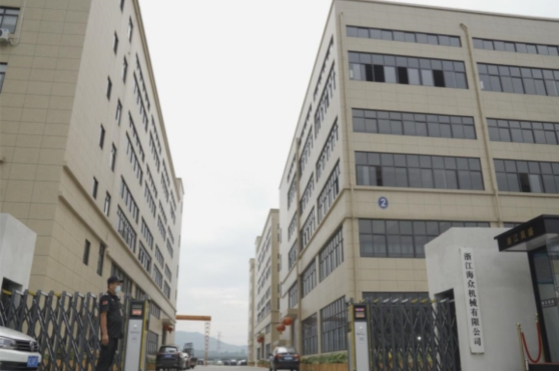
ZHEJIANG HAIZHONG MACHINERY CO., LTD.
Popular Blogs
-
 Successful caseProducts and services
How to Train Employees to Operate a Bottle Packing Machine Effectively?
-
 Successful caseIndustry insights
The Blister Packaging Process: A Complete Step-by-Step Guide
-
 Successful caseComparative analysisIndustry insights
What Type of PVC Is Best for Blister Packing Machines?