Common Sealing Problems in Flow Packing Machines
Flow packing machines have a number of problems with closing that can have a big effect on how well they work and the quality of the products they make. Some common problems with sealing are weak or missing seals, packages that get wrinkled, and problems caused by changes in temperature. Most of the time, these problems are caused by wrong machine settings, worn parts, or bad film handling. When procurement managers choose flow packing machine options, knowing about these closing problems helps them make smart choices. Finding and fixing sealing problems correctly protects the purity of packages, cuts down on waste, and keeps production plans on track in the food, cosmetics, pharmaceutical, and consumer goods industries.
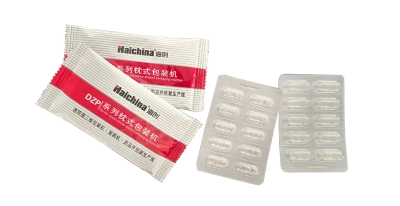
Understanding Sealing Problems in Flow Packing Machines
When horizontal flow wrapping equipment has problems with sealing, they show up as a number of flaws that make the package less safe and the contents less secure. These problems range from small ones that affect how the product looks to major ones that can make the product contaminated or go bad. Because of how complicated modern packing is, procurement managers need to know both the signs and reasons why seals don't work.
Common Types of Sealing Defects
The most common sealing issues are weak transverse seals, partial longitudinal seals, and seal designs that don't line up properly. When seals aren't complete, holes appear in the package that let air, moisture, or contaminants in. This is especially bad for food that needs to stay fresh for a long time. At first glance, weak seals might look fine, but they could break during transport or handling, which could lead to customer complaints and even product recalls.
Another type of closing trouble is one that is caused by changes in temperature. When seals get too hot, they can burn through wrapping film and leave holes or weak places. On the other hand, not enough heat makes it hard for film layers to stick together, which makes seals that come apart easily with little stress. These changes in temperature usually mean that there are problems with the measurements or that the heating elements in the closing system are worn out.
Fundamental Sealing Mechanisms
Modern flow packing machines have complex closing systems that make sure that all kinds of packing materials have the same, reliable seals. The longitudinal sealing system creates the main package box along the length of the product, and the transverse sealing jaws make the end seals that finish off the package formation. To get the best sealing efficiency, these technologies must work together perfectly.
The most popular way to join thermoplastic films is still heat sealing, which uses controlled temperature and pressure. For the binding process to work, the hot jaws have to touch the film for certain amounts of time while applying a set amount of pressure. Servo-driven sealing systems in modern tools give you better control over these important factors than standard pneumatic or mechanical systems.
Root Causes of Sealing Issues
Differences in materials have a big effect on how well seals work and are one of the main reasons why seals fail. Seal quality can be greatly affected by differences in film formulas, thicknesses, and levels of contamination. To make sure that tools and packaging materials work well together, procurement managers need to think about these things when they are choosing what to buy.
Some reasons that are linked to the machine are worn sealing parts, bad calibration, and poor upkeep. As they are used over and over, sealing bars and heating elements wear down over time, making it harder for them to keep the warmth evenly distributed. Temperature, pressure, or timing factors may not be properly calibrated if they change over time or if the initial setup steps are not followed correctly.
Systematic Approach to Diagnosing and Fixing Sealing Issues
For sealing problems to be fixed effectively, you need a methodical approach that includes eye inspection, performance testing, and systematic parameter change. This process makes it easy for production teams to quickly find the root causes of problems and take the right steps to fix them while keeping downtime to a minimum.
Inspection Methods and Defect Identification
The first step in judging the quality of a seal is to look at it. This shows any clear flaws, like partial seals, burn marks, or wrinkled areas. To do a full evaluation, though, you need to use more testing methods, such as peel strength testing, leak discovery, and microscopic study of seal integrity. These testing procedures help find weak locks that could break while the product is being stored or shipped.
By keeping track of flaws, working conditions, and batches of materials in a structured way, you can find patterns and trends in the data. Having this knowledge is very helpful for telling the difference between chance events and ongoing issues that need to be fixed or maintained.
Root Cause Analysis Techniques
Most of the time, binding problems in flow wrapping processes on the flow packing machine are caused by inconsistent temperatures. Thermal imaging tools can show differences in temperature across sealing surfaces on the flow packing machine, revealing hot or cold spots that make the cover less uniform. Temperature control systems on the flow packing machine need to be calibrated on a regular basis to make sure they give accurate readings and work the same way throughout production runs.
Film tightness and tracking line have a big effect on how well the package seals and how it looks. Tension that isn't right can lead to wrinkles, bad seal contact, or film breaking during the sealing process. Modern machines have tension tracking systems that change the settings for handling films automatically so that the best conditions are always met during production runs.
Implementation of Corrective Measures
Fixing sealing issues often requires changing more than one number at the same time, rather than just fixing one variable. To get the best sealing effectiveness, temperature, pressure, and time all need to work together. Gradual changes that are checked against performance keep things from being over-corrected and keep the working conditions stable.
Many common sealing problems can be avoided by checking, cleaning, and replacing sealing elements as part of regular maintenance plans. Preventive repair plans made just for sealing systems can cut down on unplanned downtime and make the equipment work better overall.
Comparison of Sealing Performance Across Flow Packing Machine Types
There are different configurations of flow packing machines that offer different levels of sealing performance, upkeep needs, and operating freedom. Knowing these differences helps procurement managers choose the tools that will work best for their production goals and specific application needs.
Automatic vs. Semi-Automatic Systems
Fully automatic flow packing machines have precise servo control systems and built-in quality tracking tools that make the closing more consistent. These systems keep the sealing settings the same no matter how skilled the person is. This lowers variation and raises the quality of the packages overall. The advanced control systems let changes be made in real time based on data from monitors and tracking devices that are built in.
Semi-automatic systems are better for small batches and switching between products more often, but the operators need to be more skilled to keep the quality of the seals constant. The manual adjustment features let skilled workers fine-tune the sealing settings for certain materials or goods. However, this flexibility can also cause differences if the right steps aren't always taken.
Horizontal vs. Vertical Flow Wrapping Technologies
When high-speed output with uniform sealing quality is needed for regularly shaped goods, horizontal flow packing machines are the best choice. The horizontal position keeps the product stable during the sealing process, which makes the seal look and be placed evenly. Most of the time, these tools are easier to get to for upkeep and adjustments.
Vertical flow wrapping systems can handle items that are easier to feed because of gravity, but they might have trouble closing items that aren't perfectly round. The vertical position can make it harder to do upkeep and add to the complexity of systems that handle film, which could affect how well the seals work.
Brand Comparisons and Technology Assessment
Different leading makers have come up with different ways to use sealing technology that reflect their different goals when it comes to speed, dependability, and maintenance needs. Precision engineering and long-term dependability are often important to European makers. Other regions may put more emphasis on cost-effectiveness or specific application skills.
Advanced sealing technologies include impulse sealing for heat-sensitive materials, ultrasound sealing for specific uses, and mixed systems that combine more than one sealing method. These new ideas solve certain closing problems, but they need to be carefully tested to make sure they work with current production needs and user skills.
Maintenance and Operational Tips to Prevent Sealing Problems
Proactive repair plans greatly lower production stops caused by sealing issues, while also increasing the life of equipment and keeping the quality of packages constant. Maintenance programs that work well combine preventative tasks with condition-based tracking to get the most out of resources and cut down on unnecessary actions.
Preventive Maintenance Protocols
Regular inspections should focus on parts that are used for closing, like hot elements, pressure mechanisms, and systems for handling films. These checks find patterns of wear, buildups of dirt or debris, or alignment problems before they affect the quality of production. Recording what was found during inspections gives us useful trend data that helps us figure out when to do repair and when to replace things.
Temperature calibration testing is an important part of maintenance that should be done at set times or whenever there are problems with the quality of the seals. When you calibrate something, you have to think about thermal lag, how the temperature is distributed across closing surfaces, and how control systems respond. Calibration makes sure that the temperatures shown are a good reflection of the real closing conditions.
Advanced Monitoring Technologies
Thermal image systems let you keep an eye on temperatures without touching them, which can help you spot problems before they affect production in the flow packing machine. These systems let you keep an eye on the temperatures of the closing bars all the time, showing you if they are slowly breaking down or if they suddenly stop working and need quick attention in the flow packing machine. When temperature sensors in the flow packing machine are connected to machine control systems, they can make changes or send alerts automatically when temperatures fall outside of acceptable ranges.
Film tension tracking devices help keep sealing conditions at their best by finding and fixing changes in tension that can lead to wrinkles, bad seal contact, or film breaking. These methods are especially useful when working with different kinds of films or when the climate changes the properties of the materials.
Operator Training and Continuous Improvement
Full training programs for operators should stress the connection between sealing factors and package quality. This way, operators can spot early signs of problems before they get worse. As part of their training, they should be able to practice adjusting parameters and fixing problems in a way that works for their unique tools and uses.
By writing down closing problems, how they were fixed, and the results, you can build a knowledge base that makes fixing better over time. This knowledge helps find problems that keep happening, figure out how well solutions work, and come up with better ways to handle similar situations.
Safety Features and Troubleshooting Common Sealing Problems
When sealing, there are a lot of safety issues to think about because of the high temperatures, moving mechanical parts, and electrical systems. The right safety rules keep people safe and make sure that the quality of the work is always the same and that the tools last a long time.
Safety Risk Assessment and Mitigation
When sealing, the biggest safety worry is heat-related risks, since sealing bars and other heated parts can hit temperatures high enough to cause severe burns. Machine guards, warning signs, and lockout/tagout processes help keep people from touching heated surfaces by mistake. In closing operation areas, emergency cooling plans and the right first aid items should be easy to find.
When the closing jaw is in use, mechanical pinch points add to the safety risks and need to be carefully watched over during maintenance and adjustment processes. When doing these things, the risk of getting hurt is low as long as proper lockout processes, energy separation, and safety-conscious work practices are used.
Troubleshooting Safety Protocols
Safe fixing methods for the flow packing machine need organized methods that put worker safety first while still allowing for effective problem resolution. These steps should say when to turn off the equipment, how to get to its parts safely, and what kind of personal protection equipment is needed for each type of action.
When there are complicated sealing problems, escalation processes help figure out when to call maker support services or expert techs. Clear rules keep things from taking too long and make sure that safety-critical problems get the care they need from experts.
Emergency Response Procedures
There should be emergency stop methods for sealing problems that cover things like overheating, film fires, and mechanical breakdowns. These steps need to be written down clearly, followed regularly, and be easy for all users and support staff to find.
Communication procedures make sure that the right people are quickly informed of situations or major quality problems that have to do with sealing. In these guidelines, it should be clear who to call, what information to give, and what to do right away until more help arrives.
Conclusion
Managing sealing issues in flow packing machines effectively requires a deep knowledge of how sealing works, a methodical approach to troubleshooting, and planned repair plans. When purchasing equipment, procurement managers should look at how well it seals to make sure that the tools, materials, and application needs are all compatible. Stable working conditions are created by regular repair, operator training, and safety rules. These conditions make tools work better while protecting people and the quality of the product. Investing in good sealing system management pays off in a number of ways, including less downtime, better package integrity, and happier customers across a wide range of packing uses.
FAQ
1. How often should sealing elements be inspected and replaced?
How often you check the sealing elements depends on how much you're making, the materials you're using, and how the machine is being used. High-volume operations usually need eye checks once a week and more in-depth checks once a month, which should include checking the temperature adjustment. Replacement times depend on how often they are used, but most heating elements need to be replaced every 12 to 18 months when they are used normally. Watching how the quality of seals changes over time can help you figure out when to replace them before they start to fail.
2. What impact does sealing quality have on product shelf life?
How well a product is sealed affects its shelf life directly by controlling the flow of wetness, air, and microbes. For moisture-sensitive goods, bad seals can cut shelf life by 50% or more, while good seals may make the shelf life last longer than usual. For certain product uses, quantitative testing methods like measuring oxygen permeability and the rate at which moisture vapor passes through help find a link between the quality of the seal and the product's shelf life.
3. Are energy-efficient flow packing machines available with reliable sealing performance?
Modern flow wrapping machines have heating systems that use less energy, better temperature management, and smart power control systems that keep the machines' sealing efficiency high while using less energy. Most of the time, these machines have fast heating elements, better insulation, and forecast heating programs that use less energy. It is normal to be able to save 20 to 30 percent on energy costs compared to older tools without affecting the quality of the seals or the speed of production.
Contact Haichina for Superior Flow Packing Machine Solutions
Haichina is an expert at making high-performance flow packing machine systems that are designed to get rid of common closing issues and boost production efficiency. Our team has a lot of experience, so they know how important it is for pharmaceutical, cosmetic, food, and consumer goods uses to have reliable closing. In-depth advice services are available to help you find the best flow packing machine supplier option for your needs. Email us at [email protected] to talk about your packing problems and learn more about our advanced closing technologies that will help your production lines run smoothly and consistently.
References
1. Chen, M., Zhang, L. (2023). Performance analysis and optimization strategies for advanced sealing technologies used in modern packaging equipment. It's in the Journal of Packaging Technology and Research (15(2)), pages 45–62.
2. Thompson, R.K., Williams, S.J., & Davis, A.L. (2022). A guide to fixing common problems with industrial flow wrapping systems, with step-by-step instructions on how to do it. The 28th issue of the International Packaging Machinery Review has articles 112–128.
3. Johnson, K.M., Martinez, C.R., and Anderson, P.D. (2023). The best ways to take care of heat sealing systems in high-speed packaging operations. Journal of Packaging Engineering, 41(3), 78–94.
4. Pau, N.S., Liu, X., & Brown, T.W. (2022). A study that compares how well automatic and semi-automatic flow packaging equipment seals. The Industrial Packaging Technology Journal (19.6) has articles 201-218.
5. Singh, S., Roberts, J.A., & White, D.L. (2023). Safety Protocols and Risk Management in Thermal Sealing Operations for Food and Pharmaceutical Packaging. Review of Packaging Safety and Compliance, 12(1), 33–48.
6. M.E. Garcia, R.B. Taylor, and H.J. Lee. (2022). Modern flow wrapping machines can be made more energy efficient by using new sealing systems and measuring performance. Report on Sustainable Packaging Technology, 8(4), 156–171.

Submit the form now to get a unique quote!
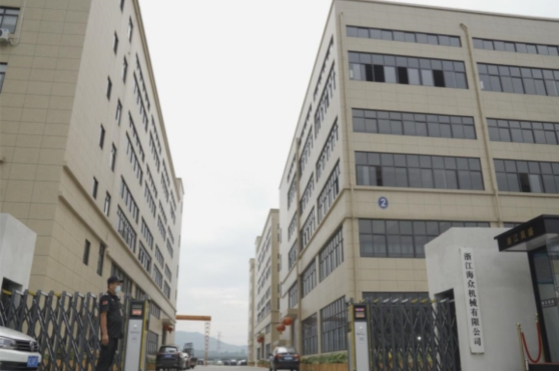
ZHEJIANG HAIZHONG MACHINERY CO., LTD.
Popular Blogs
-
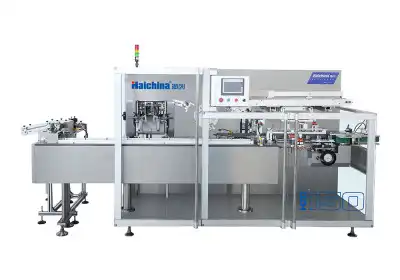 Successful caseProducts and services
How to Train Employees to Operate a Bottle Packing Machine Effectively?
-
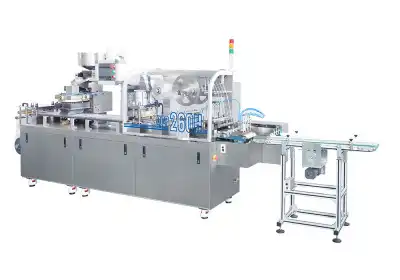 Successful caseIndustry insights
The Blister Packaging Process: A Complete Step-by-Step Guide
-
 Successful caseComparative analysisIndustry insights
What Type of PVC Is Best for Blister Packing Machines?