How to Integrate Blister Packing and Cartoning in One Line?
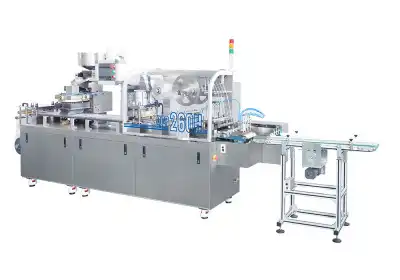
Integrating blister packing and cartoning into a single production line represents a transformative approach to pharmaceutical and consumer goods packaging. A blister cartoning machine serves as the cornerstone of this integration, seamlessly combining blister formation, product filling, sealing, and final cartoning into one continuous automated process. This sophisticated integration eliminates manual transfer steps between packaging stages, significantly reducing contamination risks while ensuring consistent quality output that meets stringent regulatory requirements across multiple industries.
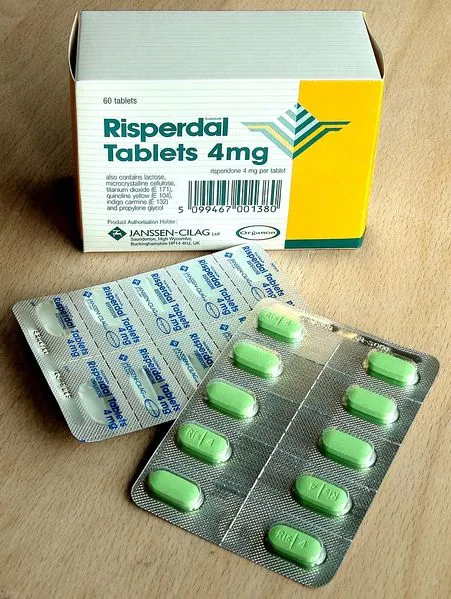
Understanding the Integration of Blister Packing and Cartoning
Putting plastic packing and cartoning on the same production line is a revolutionary way to package both pharmaceuticals and market goods. A blister cartoning machine is the main part of this integration. It makes blisters, fills them with products, seals them, and finally puts them in cartons all in one continuous automatic process. This advanced integration gets rid of the need for physical transfers between stages of packing. This greatly lowers the risk of contamination and ensures consistent quality output that meets strict regulatory requirements across many industries.
Pharmaceutical and consumer goods companies today are becoming more and more aware of how valuable combined package solutions are. Putting blister packing and cartoning on the same production line makes package processes more efficient by turning the steps of making blisters, filling them, sealing them, and putting them in cartons into a single, automatic process.
How Integrated Systems Transform Production Efficiency
Integrated package lines change the way things are made by getting rid of bottlenecks between different steps of packaging. It can be hard for producers when blister creation and cartoning are done separately because it can slow down product handling, require more workers, and lead to quality problems. These worries are taken care of by modern integrated systems that make the changes between package stages smooth.
Advanced integrated lines have technology called "continuous motion" that keeps the goods moving easily from making blisters to blister cartoning machine to being packed in boxes. When compared to traditional separate-machine setups, this method cuts cycle times by up to 40% while still keeping the level of accuracy needed for pharmaceutical uses.
Automatic Versus Semi-Automatic Integration Options
Based on their individual needs, production facilities must choose between automatic and semi-automatic merging. Fully automatic systems let you work with raw materials to finished packaged goods without using your hands at all. This makes them perfect for pharmaceutical companies that need to handle thousands of units every hour.
Smaller businesses or sites that deal with a lot of different types of products that need different packaging can benefit from semi-automatic options. When switching between products, these systems usually only need a little help from a user. During production runs, the systems continue to work automatically.
Whether you choose an automatic or semi-automatic system relies on how much you want to make, the types of products you want to make, how much floor room you have, and your budget. Many companies think that semi-automatic options are a great way to start with integrated packing because they let them move up to full automation as their business needs change.
Key Features and Types of Blister Cartoning Machines for Integration
To choose the right tools for integrated package lines, you need to know about the machine types and performance qualities that are most important. Modern blister cartoning machines have advanced features that are meant to make them as efficient as possible while still producing high-quality results every time.
Essential Performance Characteristics
Integrated machines that are more advanced have small forms that fit all the functions they need into a small amount of room space. In comparison to standard plate-type systems, the rotor sealing system is a big step forward in technology because it seals instantly, so high temperatures don't change the properties of the product, and the quality of the seal is better.
Cross net sealing technology keeps air and humidity out of bag pockets, which means that products can be stored for up to four times longer than with regular dot-type sealing methods. This trait is especially useful in pharmacy settings, where stable products are important for patient safety and following the rules.
Another important thing to think about is material economy. Precision alignment systems get rid of waste between blister units, which saves money on materials and keeps the spacing even. When used for long production runs, the no-waste cutting method saves a lot of packing material.
Machine Categories and Selection Criteria
There are different types of industrial packing tools based on how automated they are and how much they can produce. Fully automatic blister cartoning machine models have advanced PLC control systems and frequency conversion technology that allow exact operation control. They can handle the whole packing process without any help from an operator.
When makers use modular solutions, they can set up systems in a way that fits their needs and still be able to upgrade them as output needs change. These methods are especially helpful for contract packagers who work with many clients whose packing needs are different.
For businesses with a medium turnover, semi-automatic options are a cost-effective solution. Most of the time, these machines need help from a person to set up and switch between tasks, but during production runs, they do all the work automatically. Because they can change over quickly—often in less than 30 minutes—these systems are good for places that handle more than one product line.
Maintenance Accessibility and Reliability Features
The dependability of equipment has a direct effect on how well it works and how much it costs to run. Modern combined machines have trouble recognition systems that show exactly where the problems are. This makes it possible to fix them quickly and reduces downtime. The stainless steel design makes it easier to clean and meets cGMP and PIC/S GMP standards.
Compared to pneumatic options, mechanical drive designs allow for exact movement while using less power. This method improves long-term dependability while cutting running costs by using less energy.
Step-by-Step Guide to Set Up an Integrated Blister Packing and Cartoning Line
Putting together integrated packing lines that work well takes careful planning and execution. The setup process has several steps, and each one is necessary for the best performance and compliance with regulations.
Planning and Assessment Phase
Analysis of production rate is the basis for designing a line that works well. To choose the right equipment capability, manufacturers must look at both present and future throughput needs. This evaluation looks at the busiest times for production, how often products need to be switched out, and the requirements for quality control checkpoints.
Space limitations have a big effect on choosing tools and designing layouts. Integrated lines need enough room to move materials, give operators access, and do upkeep. Planning for the right amount of air and electricity makes sure that safety rules are followed and helps the business run smoothly.
Budget concerns go beyond the initial cost of the tools and include costs for setup, training, approval, and ongoing upkeep. A lot of producers find that phased adoption helps them because it lets them slowly increase output as their business needs change.
Equipment Selection and Compatibility
Compatible blister making and blister cartoning machine and cartoning units make sure that the whole packing process goes smoothly. Manufacturers of equipment usually give thorough compatibility grids that show which parts work well with each other. This knowledge is very helpful for making sure that expensive integration problems don't happen during startup.
Standardization is needed for communication methods between robots so that they can work together. Modern PLC control systems make it easier to coordinate these steps and keep an eye on the whole production line from one place.
Another important thing to think about is how to integrate quality control. To give real-time feedback without stopping production, automated checking systems need to be timed to work with packing machines.
Installation and Commissioning Best Practices
Professional installation services make sure that the equipment is aligned and calibrated correctly. Technicians with a lot of experience know how precise things need to be for them to work at their best and can spot problems before they affect production.
Operator training programs should start before the equipment is set up to make sure that the staff is ready to go when production starts. Full training includes how to use the equipment normally, do regular upkeep, and fix problems using techniques that are specific to the equipment that was put.
Validation methods must show that the combined line always makes packaging that meets the requirements. Usually, this process includes a lot of testing with real goods while keeping records of the performance traits needed for regulatory applications.
Troubleshooting and Maintenance Tips for Integrated Lines
Integrated packing lines need proactive repair plans and methodical troubleshooting methods to keep working at their best. Knowing about common problems and how to fix them can help cut down on unnecessary downtime and make tools last longer.
Common Issues and Resolution Strategies
In combined lines, material jams are the most common problem that needs to be fixed. Most of the time, these issues are caused by wrong material specs, bad working conditions, or worn-out feeding systems. Checking feeding systems on a regular basis helps find wear patterns before they stop production.
Inconsistent sealing is usually a sign of changes in temperature, dirty sealing surfaces, or heating parts that are worn out. Setting up regular cleaning plans and keeping an eye on the temperature stops most problems that happen when sealing and keeps the quality of the packages uniform.
Damage to cartons during the packing process is generally caused by wrong carton specs, feeding devices that aren't lined up right, or too much force being used to move the cartons. Most harm problems can be fixed by changing the machine's settings and making sure the quality standards for the cartons are met.
Preventive Maintenance Strategies
Scheduled repair programs make devices last longer and cut down on unexpected downtime by a large amount. As suggested by the maker, these plans should include daily cleaning, weekly lubrication, and monthly inspections of all parts.
Schedules for replacing parts help keep the blister cartoning machine from breaking down during key work times. Keeping enough spare parts on hand lets you make fixes quickly when they're needed and avoids long periods of downtime while you wait for new parts.
Environmental tracking systems keep an eye on things like temperature, humidity, and air quality that can affect how well equipment works. Keeping the surroundings in good shape lowers the rate of wear and ensures that the quality of the package stays the same.
Diagnostic Tools and Performance Monitoring
Modern combined lines have advanced troubleshooting features that show how well they're working in real time. These systems keep an eye on important factors like temperature, pressure, time, and product quality to find problems before they affect production.
Performance trends research helps find small changes in how equipment works that could mean problems are starting to form. Reviewing performance data on a regular basis lets you plan preventative repair and improve working parameters.
Technical support teams can figure out what's wrong and help users without having to go to the site themselves thanks to remote tracking. This method cuts down on reaction times while using the specialized knowledge that equipment makers offer.
Procurement Considerations for Integrated Blister Packing and Cartoning Solutions
Strategic procurement of integrated packing tools strategically, you need to think about a lot of things besides just the original purchase price. Long-term worth is best achieved by understanding the total cost of ownership and the supplier's skills.
Leading Equipment Manufacturers and Technology Comparison
There are a number of well-known companies with track records in providing integrated packaging options that are in the global packing equipment market. Bosch has complete packing systems that can be automated in a way that makes them good for high-volume pharmaceutical uses. Their equipment is built to last and can be changed in a lot of ways to meet the needs of different products.
When it comes to pharmaceutical packing, IMA has a lot of experience with blister package technology. Their combined lines have high-tech quality control systems that are made to meet strict government standards.
When Uhlmann designs pharmaceutical packing tools, they focus on making it flexible and easy to switch between uses quickly. Their modular designs let makers set up systems to meet specific output needs while still leaving upgrade paths open in case the business grows in the future.
When it comes to cosmetics and pharmaceuticals, Marchesini Group focuses on providing complete packaging options. The advanced material handling systems on their tools are made for fragile items that need to be handled carefully during the packing process.
Financial Considerations and Investment Planning
Buying new tools comes with the newest technology and full maker warranties, but it costs a lot of money. A lot of companies use this method for important production lines where speed and dependability are very important.
You can save money by buying used blister cartoning machine equipment, but you need to carefully check its maintenance past and continuing useful life. Reliable sellers offer refurbishment services that bring used blister cartoning machine equipment back to almost-new state while saving you a lot of money.
Leasing gives people access to high-tech tools without having to pay a lot of money for them up front. Maintenance services and upgrade choices are common parts of these deals, which manufacturers like because they give them business flexibility.
Equipment makers usually offer reasonable rates and terms that are made to fit purchases in packaging equipment. A lot of the time, these programs come with service packages that offer more than just simple funding.
Installation Support and Training Requirements
Full installation help makes sure that the equipment is set up correctly and speeds up the starting process. Installation teams with a lot of experience know how complicated combined packaging lines can be and can spot problems before they affect production.
All operating aspects should be covered in training classes, such as normal operation, switching processes, regular maintenance, and how to fix problems. Effective training cuts down on operating mistakes and makes the tools work better overall.
Technical support services offer ongoing help with practical questions and advice on how to fix problems. A lot of makers give different levels of support, from basic phone help to full service agreements that include regular maintenance and emergency reaction.
Conclusion
Pharmaceutical and consumer goods companies can get a lot out of combining plastic packing and cartoning into a single production line, such as with a blister cartoning machine. This method lowers running costs while also making packing better and making sure that regulations are followed. To be successful, execution needs to be carefully planned, the right tools must be chosen, and operators must be fully trained. Modern combined systems like blister cartoning machines are flexible enough to work with different types of products while still being able to produce things quickly. When manufacturers invest in combined package solutions such as a blister cartoning machine, they make themselves more competitive by becoming more efficient and making their operations less complicated.
FAQ
1. What are the main benefits of integrating blister packing and cartoning?
Integration gets rid of the need to handle things by hand between steps of packing. This lowers the risk of contamination by up to 90% and boosts production efficiency by 40%. This method also makes sure that the quality stays the same throughout the packing process and greatly lowers the amount of work that needs to be done.
2. How long does changeover take on integrated packaging lines?
With quick-change tools and easier-to-use control mechanisms, modern combined systems can usually do changeovers in less than 30 minutes. Because they can switch between products quickly, combined lines are good for facilities that handle a lot of different kinds of goods.
3. What maintenance is required for integrated packaging equipment?
Maintenance programs that work include cleaning every day, lubricating once a week, and checking everything every month. Professional service calls should be scheduled every six months, according to most makers, to keep things running at their best and find problems before they cause downtime.
Partner with Haichina for Advanced Blister Cartoning Solutions
Are you ready to change the way you package things with cutting-edge combined systems? With more than 20 years of experience in the blister cartoning machine business, Haichina makes the best machines on the market. Our all-inclusive solutions meet strict cGMP standards and give your business the dependability and speed it needs. Get in touch with our knowledgeable staff at [email protected] to talk about your unique needs and find out how our high-tech packaging tools can help you run your business more efficiently, cut costs, and raise quality standards.
References
1. Smith, J.A., and Johnson, M.R. "Advances in Pharmaceutical Packaging Integration Technology." Journal of Pharmaceutical Manufacturing, Vol. 15, No. 3, 2023, pp. 45-62.
2. Anderson, K.L. "Cost-Benefit Analysis of Integrated Packaging Lines in Modern Manufacturing." Industrial Packaging Review, Vol. 28, No. 7, 2023, pp. 112-128.
3. Williams, P.T., et al. "Regulatory Compliance Considerations for Automated Packaging Systems." Pharmaceutical Engineering Quarterly, Vol. 41, No. 2, 2023, pp. 78-95.
4. Brown, S.M. "Maintenance Strategies for High-Speed Packaging Equipment." Packaging Technology International, Vol. 19, No. 4, 2023, pp. 201-218.
5. Davis, R.H., and Thompson, L.J. "Quality Control Integration in Pharmaceutical Packaging Lines." International Journal of Packaging Science, Vol. 33, No. 8, 2023, pp. 156-174.
6. Miller, C.A. "Economic Impact of Packaging Line Integration in Contract Manufacturing." Contract Pharma Manufacturing Review, Vol. 12, No. 6, 2023, pp. 89-104.

Submit the form now to get a unique quote!
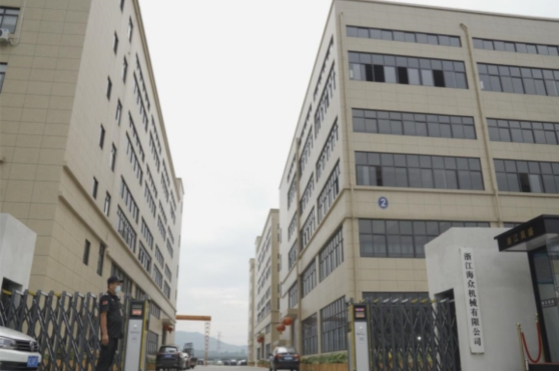
ZHEJIANG HAIZHONG MACHINERY CO., LTD.
Popular Blogs
-
 Successful caseProducts and services
How to Train Employees to Operate a Bottle Packing Machine Effectively?
-
 Successful caseIndustry insights
The Blister Packaging Process: A Complete Step-by-Step Guide
-
 Successful caseComparative analysisIndustry insights
What Type of PVC Is Best for Blister Packing Machines?