Blister Cartoner for Tablets vs Capsules
To choose the right blister cartoner for pharmaceutical packing, you need to know how to handle the different needs of pills and capsules. A blister cartoner is the most important part of a pharmaceutical packing line because it automatically makes protective blister packs and puts them into boxes that are ready to be sold. For tablets, strong sealing devices are needed to keep wetness out, while capsules need to be handled more carefully to keep them from breaking. Modern pharmacy cartoning equipment has powerful PLC control systems and precise feeding mechanisms that can easily handle both types of dose. Choosing between cartoning options that are best for tablets or capsules has a direct effect on production throughput, legal compliance, and the integrity of the product throughout the supply chain.

Understanding Blister Cartoning for Tablets and Capsules
Using advanced packing technology, blister cartoning machines turn unpackaged medicinal goods into packages that are ready for sale by automating the shaping, filling, sealing, and cartoning steps. These systems have more than one step in the process. The first step is blister creation, which involves heating plastic sheets to make holes that are just the right size for pills or capsules.
Because of how they are made, the practical process is very different when working with tablets versus capsules. Tablets usually have a uniform density and physical stability, which makes feeding patterns more reliable and processing go faster. Because capsules are hollow and can be oriented in different ways, they pose special problems that need special feeding systems that keep them from getting stuck and make sure they fit properly inside blister holes.
Machine Configuration Options
Modern technology for making medicine cartons has different levels of automation to meet different production needs. For small-batch processes, manual systems are a cost-effective option, but they need help from an operator to add products and make cartons. Semi-automatic setups combine human control with machine accuracy. They are perfect for medium-sized production runs that need to be flexible.
Fully automatic systems, which include electronic quality control tracking, blister cartoner, robotic handling systems, and conveyor networks, can get the most work done. With these high-tech setups, more than 300 packages can be made per minute while still meeting strict quality standards for pharmaceuticals.
Impact on Production Efficiency
The amount of automation has a direct effect on the throughput capability, operating accuracy, and safety of the product. More technology lowers the chance of mistakes made by people while also improving the quality of the output. Modern systems have real-time tracking features that find problems with packing, missing items, or bad sealing before the goods get to the delivery routes.
Because pharmaceutical packaging needs to be very precise, it needs tools that can keep standards very tight over long production runs. Modern cartoning machines use servo-driven mechanisms and feedback control systems to make sure that blisters form consistently, products are placed correctly, and the machines seal tablets and capsules reliably.
Key Differences Between Tablet and Capsule Blister Cartoning
Pharmaceutical pills and tablets have different packing problems that need special handling procedures and equipment setups. By knowing these differences, procurement professionals can choose the right cartoning options to protect products the best way possible while keeping operations running smoothly.
Material Compatibility and Design Adaptations
Tablets usually need strong protective materials to keep chemicals from breaking down and water from getting in. Combinations of aluminum and aluminum offer better safety for recipes that are sensitive to moisture, while combinations of aluminum and plastic are more cost-effective for stable compounds. To keep the tablet's stability over long periods of time, the sealing method must achieve full hermetic closure.
Because capsules are hollow and can be brittle in different ways, they need to be handled with more care. To keep the process of making blisters from being too hot, which could damage the capsule shell, the temperature must be carefully controlled. Capsule packaging requires special feeding systems that can handle the capsules' odd forms and orientations.
Handling and Feeding Mechanism Requirements
To make sure that products are always in the same place, tablet handling systems use rotating bowl feeds and mechanical orientation devices. Most tablet formulations have a uniform density, which makes blister cartoner eating habits and quality control tracking more reliable. When tablet sizes and hardness traits stay the same across production runs, high-speed processing is possible.
Feeding capsules is a special kind of engineering problem that needs advanced technology for direction. Vacuum-assisted feeding systems keep capsules from getting damaged and make sure they are lined up correctly inside blister holes. Guidelines for gentle handling lower the chance of capsules cracking or separating during the packing process. This keeps the consistency of the product from the time it is formed until it is sealed.
Common Challenges and Practical Solutions
When pharmacy cartoning workers work with fragile formulations or pill shells, they are always worried about damaging the products they are packing. Using the right tension control throughout the packing process keeps goods from being under too much stress during the processes of making blisters and sealing them. Regularly calibrating the feeding systems makes sure that the products are always put in the right place and that damage from handling is kept to a minimum.
Problems with the quality of the seal can make the product less stable and make it harder to follow the rules. Modern packaging machines have many ways to check that the boxes are sealed correctly, such as technology that finds leaks and the ability to look inside the boxes. These quality control steps find possible seal flaws before the goods reach stores. This keeps the brand's image and avoids expensive recalls.
Contamination risks need thorough preventative plans that include how the equipment is designed, how it is maintained, and how it is used. The stainless steel design makes it easier to clean thoroughly between production runs, and the enclosed working environments keep outside sources of contamination to a minimum. Cleaning methods must be checked regularly to make sure they meet standards for pharmaceutical production.
How to Choose the Best Blister Cartoner for Tablets and Capsules
To choose the best cartoning tools, you need to carefully consider your long-term operational goals, output needs, and technical specifications. Professionals in procurement have to weigh the needs for current performance against the needs for future scalability, all while taking into account the limitations of integration within existing production settings.
Production Volume Assessment
Knowing how much is being produced now and how much is expected to be produced in the future helps with choosing the right equipment size and amount of automation. Flexible manual or semi-automatic systems that can easily switch between different product forms are good for low-volume activities. For mid-volume tasks, semi-automatic machines that boost output while keeping working freedom are usually needed.
Pharmaceutical companies that make a lot of drugs need fully automatic systems that can run all the time with little help from a person. The higher original cost of these installations is justified by lower labor costs, better consistency, and higher output capacity. Scalability makes sure that tools can still be used as output needs change over time.
Technical Specification Evaluation
Metrics for reliability include how often technology is up and running, how long it usually takes for something to break, and how easy it is to get expert help for the blister cartoner. Leading makers give a lot of information about how well their systems work, which lets you compare them objectively. Maintenance needs have a direct effect on running costs, and plans for preventative maintenance for the blister cartoner, the supply of spare parts, and the need for professional training should all be taken into account.
The adaptability of tools determines how well it can work with different types of products and packing. Quick switching options cut down on downtime between production runs and make setup easier. Using modular design methods lets you add on to or change existing designs in the future to fit changing product lines.
Manufacturer Comparison and Selection
Manufacturers that have been around for a long time have a track record of success and a lot of experience with pharmaceutical cartoning projects. Companies that have been in the pharmaceutical field for decades know what the rules are and can provide equipment that meets those rules. Long-term business success depends a lot on technical support skills, such as the ability to do diagnostics remotely and provide help on-site.
Costs include more than just the original buy price. They also include installation costs, training needs, and ongoing operating costs. A full total cost of ownership study accurately compares various pieces of equipment by looking at things like how much energy they use, how much they cost to maintain, and how much output they increase.
Industry Trends and Future Outlook for Tablet and Capsule Blister Cartoning
Pharmaceutical packaging is still changing because of new technologies like better automation, digital integration, and efforts to be more environmentally friendly. Modern cartoning machines have complex control systems that let you watch production in real time and plan repair ahead of time.
Automation and Digital Integration
The ideas behind Industry 4.0 make it possible to connect smart manufacturing systems that make the best use of data to make decisions that improve production efficiency. Modern cartoning machines collect a lot of information about the production process, which lets you handle it statistically and make improvements all the time. Manufacturers can keep an eye on how equipment is working at various production sites by using remote tracking. This lets them find ways to make things better.
Smart package technologies build identification and tamper-evident features right into the process of making cartons. These advanced features address rising worries about fake goods while making it easier to track products all the way through the supply chain. Variable data printing is possible with digital printing devices, which is useful for lot code and serialization.
Regulatory and Sustainability Considerations
More attention from regulators means that pharmaceutical packaging equipment, such as blister cartoners, needs to be able to do more paperwork and validation. Modern systems offer full audit logs and electronic batch records that make following the rules easier while lowering the amount of writing that needs to be done. Manufacturers can meet legal standards for equipment qualification and process validation with the help of validation tools.
Sustainable packaging projects encourage the creation of products that are better for the earth and handling methods that use less energy. More and more, manufacturers want machines that can handle recyclable materials while still meeting the needs for product safety. Precision cutting and forming technologies help reach environmental goals while dropping running costs by reducing the amount of waste.
Future-Proofing Strategies
Scalability issues make sure that investments in equipment can still be used as output needs change. Modular design methods let you add more capacity in small steps without having to update the whole system. Through retrofit programs that make equipment last longer, upgrade paths give you access to new technologies and better powers.
Working with reputable manufacturers gives you access to new ideas and expert help for the whole life of the equipment. Long-term connections let people work together to create custom solutions that will work with new technologies as they come out. Comprehensive service agreements keep technology running at its best and give you peace of mind about how much help will cost.
Conclusion
When picking between tablet and capsule-optimized blister cartoners, you need to carefully think about the features of the product, the needs of production, and your long-term business goals. Tablets need strong locking systems and the ability to be processed quickly, while capsules need to be handled carefully and need special systems to help them stay in the right place. Modern equipment for making medicine cartons has advanced automatic features that boost output while upholding strict quality standards. Procurement choices that are good balance the need for instant performance with the need for future scalability. This makes sure that investments are made that will last and support long-term manufacturing goals. A thorough analysis of the manufacturer's skills, technical details, and overall cost of ownership lets you choose the best cartoning options for pharmaceutical packing needs based on facts.
FAQ
1. Can blister cartoners handle both tablets and capsules?
With their flexible feeding methods and changeover tools, most current pharmaceutical cartoning systems can handle both tablets and capsules. But for best performance, equipment that is specially set up for the main product type is often needed. Advanced systems have quick-change features that keep quality standards uniform while minimizing downtime during product changes.
2. What factors determine blister cartoner pricing?
How much equipment costs depends on how automated it is, how much it can make, its technical specs, and the name of the maker. Simple manual systems start at lower prices, while fully automatic systems with lots of extra features cost a lot more. Total investment levels are also affected by things like the need for customization, tools for legal compliance, and full service packages.
3. How long does delivery and installation typically take?
Delivery times for standard equipment run from 12 to 20 weeks, based on the manufacturer's schedule and the level of customization needed. For basic systems, installation and testing can take an extra two to four weeks. For complex combined lines, it may take six to eight weeks to fully start up. Planning ahead and working with makers early on can help keep project timelines short while still ensuring successful implementation.
Partner with Haichina for Advanced Blister Cartoner Solutions
If you need to change the way you package drugs, Haichina has cutting-edge blister cartoner technology that is perfect for using with tablets and capsules. Our wide range of equipment combines precise engineering with legal compliance to help pharmaceutical companies around the world increase their productivity in a way that lasts. With sites in more than 50 countries and more than 20 years of experience in the field, we offer tried-and-true methods that meet the strictest production needs.
Our professional technical team can help you find the best cartoning options for your business by consulting with you one-on-one. Haichina offers solid performance and full after-sales support, whether you need high-speed automatic systems or flexible manual setups. Get in touch with our blister cartoner maker experts at [email protected] right away to find out how our cutting-edge packing technology can help you make more while still meeting strict quality standards. Make an appointment for your meeting right away to get personalized advice and low prices on the pharmaceutical cartoning you need.
References
1. Smith, J.R., and Anderson, K.L. "Pharmaceutical Packaging Equipment Selection and Optimization Strategies." Journal of Pharmaceutical Engineering, Vol. 45, No. 3, 2023, pp. 78-92.
2. Williams, M.C., et al. "Comparative Analysis of Tablet and Capsule Blister Packaging Technologies." International Pharmaceutical Manufacturing Review, Vol. 28, No. 7, 2023, pp. 34-47.
3. Thompson, R.A. "Regulatory Compliance in Modern Pharmaceutical Cartoning Operations." Pharmaceutical Technology Magazine, Vol. 47, No. 5, 2023, pp. 56-63.
4. Chen, L.Y., and Rodriguez, P.M. "Automation Trends in Pharmaceutical Packaging: A Comprehensive Industry Analysis." Packaging World Industrial Report, Vol. 31, No. 2, 2023, pp. 112-128.
5. Davis, S.K. "Cost-Benefit Analysis of Advanced Blister Cartoning Equipment in Pharmaceutical Manufacturing." Manufacturing Excellence Quarterly, Vol. 19, No. 4, 2023, pp. 23-35.
6. Martinez, A.F., and Johnson, D.B. "Maintenance Strategies for High-Performance Pharmaceutical Packaging Equipment." Industrial Maintenance and Plant Operation, Vol. 84, No. 6, 2023, pp. 67-74.

Submit the form now to get a unique quote!
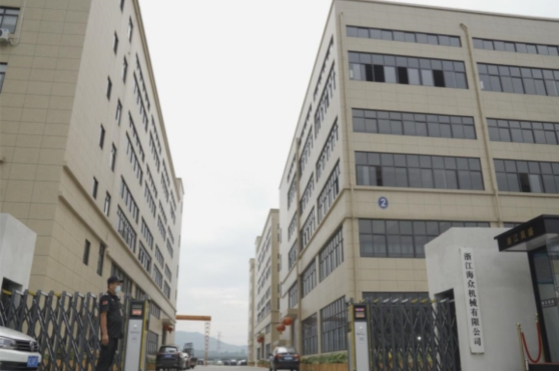
ZHEJIANG HAIZHONG MACHINERY CO., LTD.
Popular Blogs
-
 Successful caseProducts and services
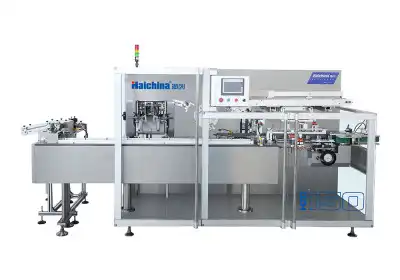
How to Train Employees to Operate a Bottle Packing Machine Effectively?
-
 Successful caseIndustry insights
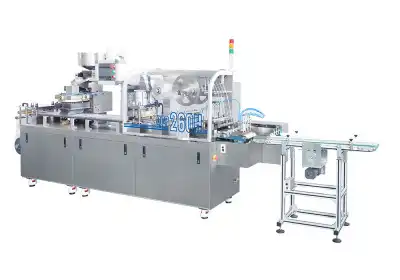
The Blister Packaging Process: A Complete Step-by-Step Guide
-
 Successful caseComparative analysisIndustry insights
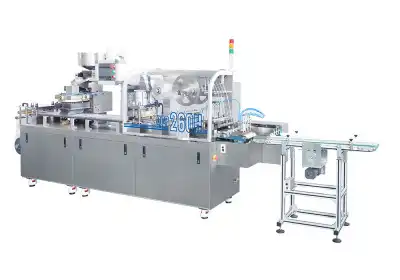
What Type of PVC Is Best for Blister Packing Machines?