Shaped Pack Flow Packing Machines: When Do You Need One
When your production line has to deal with oddly shaped items that normal flow packing machines can't handle well, you need shaped pack flow packing machines. Unlike regular horizontal wrapper systems, these specialty machines can change how they wrap to fit complicated product shapes, making sure the best protection and appearance. Modern flow packing machine technology has grown to meet the different packaging needs of the food, cosmetics, medicine, and consumer goods industries. These industries require precise packaging solutions that old-fashioned methods can't provide because of strict standards for product purity and presentation.
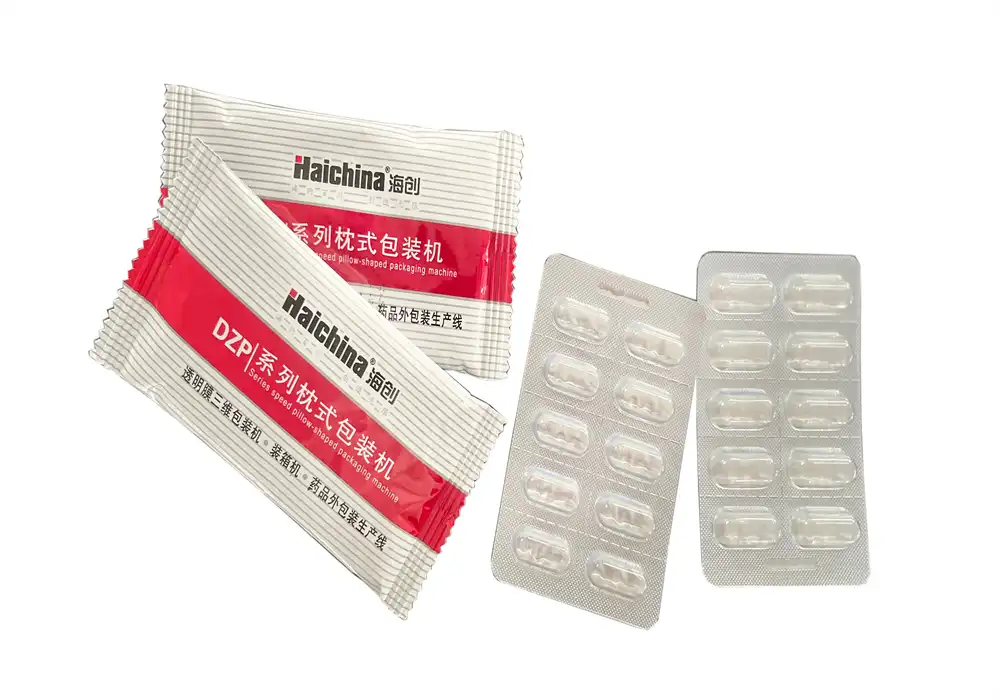
Understanding Shaped Pack Flow Packing Machines
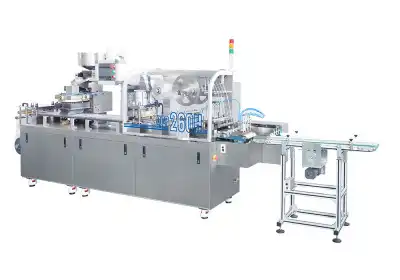
Shaped pack flow packing machines are a big step forward in automatic package technology. They are designed to handle goods with complex geometries and irregular shapes. These complex systems are based on the basic ideas of horizontal flow wrapping and include adaptable parts that can change to fit different product shapes.
Intelligent film editing systems make packages that fit each product perfectly. This is what these tools are based on. Shaped pack systems use different forming plows and sealing devices that can be changed, while normal flow packers depend on products having the same size. The film unwind system sends packing material through sensors that measure the size of the product in real time. This causes the system to automatically make changes to fit products of different shapes and sizes.
Advanced Automation Features
Modern shaped pack flow wrapping systems of flow packing machine use servo-driven controls and light recognition systems to precisely track and place things with odd shapes. The filling system instantly adjusts to different types of products, and the sealing system uses the best temperature and pressure combinations based on the requirements of the packing material. This level of technology cuts down on human mistake by a large amount while keeping the quality of the packages the same.
The cutting method works more precisely and can handle the different package sizes that come up when products are wrapped in shapes. Temperature control systems make sure that all kinds of film materials, from standard plastic films to recyclable films that are better for the environment, seal properly. Because of these improvements in technology, manufacturers can make things at speeds similar to normal flow packers while still being able to handle complicated product shapes.
Industry Applications and Benefits
Shaped pack technology is used in many industrial areas, each of which has its own specific packing needs. In the pharmaceutical industry, these systems are used to protect specialized medical equipment and tablets with unusual shapes. The cosmetics business gains from the ability to make attractive packaging, which can highlight bottles and containers with odd shapes.
Shaped pack tools are used by food manufacturers to package handmade goods, unique sweets, and baked goods that don't come in standard sizes. The technology is great at keeping the identity of the product while making packages that look good and improve how they are displayed in stores. A better seal keeps the food fresh longer, and the design is flexible enough to handle yearly changes in products without needing a lot of work.
When Shaped Pack Flow Packing Machines Become Essential
When dealing with goods that aren't normal rectangular or cylindrical forms, traditional packing methods have a lot of problems. Standard horizontal and vertical packing tools depend on consistent product sizes to work well and make sure the seals are good. When these expectations aren't met, makers have to deal with less throughput, more waste, and packages that aren't sealed properly.
When production rates hit levels where manual packing is no longer cost-effective, companies usually decide to invest in shaped pack technology. When making a lot of goods with different shapes, you need automated methods that can keep up with the speed and handle the geometry. This choice is usually based on the need for custom packing, especially when brand difference depends on how the product is presented differently.
Operational Triggers for Investment
Several operating signs show that shaped pack flow packing machines are needed. Handling irregular forms by hand slows down production and raises costs, which can be fixed with automatic solutions. Problems with quality control that come up from uneven packaging of complicated forms are a good reason to buy specialized tools.
When wages are going up and there aren't enough skilled workers, labor cost issues become more important. Shaped pack automation cuts down on the need for human workers, which improves regularity and lowers the risk of injuries caused by repeated stress. With this technology, companies can move workers to more valuable tasks while keeping or even growing production output.
Return on Investment Calculations
When looking at the return on investment (ROI) for shaped pack flow packing machines, there are more benefits than just lower labor costs. Cutting down on material waste often leads to big saves, since exact automated packaging uses less film than human methods. Better package uniformity cuts down on customer complaints and returns, which protects the brand's image and lowers the cost of replacements.
By increasing throughput, producers can meet rising demand without having to pay more for workers or facilities. The better quality of the packages that can be made with automated shaped packing often supports higher price strategies, which means that specialty goods can make more money. When added together, these benefits usually lead to a good return on investment (ROI) within 18 to 24 months for medium to high-volume businesses.
Comparing Shaped Pack Flow Packing Machines with Alternative Solutions
Knowing who the competitors are in the packing tools market helps companies choose the right technology. Shaped pack flow packing machines are different from standard horizontal packers and fully customized package solutions because they can do specific things without the high costs that come with fully customized systems.
Standard horizontal flow wrapping machines are great at quickly packing regular items, but they have trouble with differences in size that are too big or too small for them to adjust for. Vertical form-fill-seal machines can handle some odd shapes well, but they usually work more slowly and might not be able to make the tight packing that high-end goods need. Thermoforming systems make unique packages, but they take a long time to change over and cost more in materials.
Technical Capability Comparison
More than most other options, shaped pack tools are the best at balancing speed and freedom. Even though custom packing solutions might be better at fitting odd forms, shaped pack systems are flexible enough and have much higher throughput rates. With shaped pack technology, film can be used in more ways than with rigid packing methods. This lets you choose the best material for protecting your goods.
Different types of packing technology have very different amounts of automation. Most of the time, shaped pack systems can be automated more than manual or semi-automatic options, but they are still easier to use than fully robotic packing cells. This placement makes shaped pack technology available to medium-sized companies that need automation benefits but don't want to make huge capital investments.
Integration and Workflow Considerations
Shaped pack flow packing machines are easier to add to production lines that are already in place than many other types of specialized package machines. The horizontal product flow lines up with normal conveyor systems, so installation requires few changes to the building. Changing over to shaped pack systems usually takes less time and training than switching to other technologies that can handle the same range of products.
Integrating quality control is easier with shaped pack systems because the packing is always facing the same way and the seals are always in the same place. Vision inspection systems and metal recognition tools work well with shaped pack lines, so quality control can be done completely without adding a lot of extra work.
Procurement Guide: Selecting Your Shaped Pack Flow Packing Machine
To buy curved pack flow packing machines successfully, you need to carefully consider the supplier's skills, technical requirements, and the possibility of long-term assistance. The investment is a big commitment of money that will have an effect on production for a long time. For the best results, it is important to do a full evaluation.
When evaluating a supplier, you should look at their technical knowledge, the level of their work, and their ability to provide help after the sale. Manufacturers that have been around for a while and have a track record with shaped pack technology pose less of a risk than younger companies, but new companies may offer better features or lower prices. Reference setups and customer reviews can tell you a lot about how well a product works in the real world and how quick the seller is.
Technical Specification Development
Creating complete technical specs takes a thorough look at what the flow packing machine needs now and what it will need in the future. Baseline requirements are set by product size ranges, preferred packing materials, and throughput goals. Flexibility requirements are affected by plans for future product growth. When choosing tools, environmental factors like the need to be clean for food uses or safe from explosions for some chemicals have a big effect.
Integration needs with current production tools impact the choice of machine and its design. Upstream feeding systems and downstream handling tools need to work well together for the shaped pack machine to work. Communication protocol compatibility makes sure that systems for managing output and networks for quality control work together without any problems.
Financial and Commercial Evaluation
For curved pack flow packing machines, the price of purchase is only one part of the total cost of ownership. Long-term running costs are affected by warranty terms, the availability of spare parts, and service turnaround promises. Different providers have very different training and ongoing professional support needs, which should be taken into account when making purchases.
Leasing, renting, and buying used equipment are all options for financing that give groups with limited funds or unsure growth forecasts more options. The terms of payment and delivery must match the needs of output and the budget processes. When you buy something from another country, you need to think about the currency. This is especially important when the exchange rate is volatile.
Maintaining and Optimizing Performance of Your Shaped Pack Flow Packing Machine
To get the most out of a shaped pack flow packing machine, it needs organized repair plans and ongoing process optimization. To reach their full potential and avoid expensive unplanned downtime that affects production plans and customer commitments, these complex systems need to be taken care of before they break down.
Programs for preventive maintenance should take care of mechanical, electrical, and software parts in a planned way. Every day, wear parts like closing bars, cutting blades, and film guides that are constantly under stress during operation are checked for damage. As part of weekly maintenance, lubrication plans, sensor calibration checks, and safety system tests are done to make sure the machine always works well and protects the person.
Performance Optimization Strategies
Systematic study of performance data from packing lines is often the key to making operations more efficient. Modern shaped pack and flow packing machines produce a lot of operational data that, when properly studied, show ways to improve things. Cycle time analysis finds problems that slow things down, and quality tracking shows what changes need to be made to make things more consistent.
Long-term performance results are greatly affected by training programs for workers and repair staff. Skilled workers can spot early warning signs of problems and make changes that stop quality problems before they happen. Comprehensive training lowers the chance of damage caused by the operator and raises the general usefulness of the equipment by ensuring that all of its features are used correctly.
Compliance and Safety Management
Different businesses and parts of the world have very different regulatory compliance needs. For pharmaceutical applications, validation documents and change control processes are needed to make sure that performance is always the same and that problems can be tracked. For food uses, sanitary design features and cleaning validation processes that keep safety standards high are needed.
Creating a safety program should include risks that are unique to each piece of equipment and work with safety management systems that are used throughout the whole building. For shaped pack equipment configurations, lockout/tagout processes, confined space practices, and emergency action plans need to be changed. Regular safety checks and incident analyses help find ways to make things better and keep workers from getting hurt on the job.
Conclusion
Shaped pack flow packing machines solve important package problems for companies that work with oddly shaped goods in many different fields. The technology gives important automation features that boost productivity, regularity, and quality while cutting down on the need for workers and running costs. To get the best long-term value, investment choices should take into account current production needs, plans for future growth, and total ownership costs. For implementation to go well, suppliers must be carefully chosen, employees must be fully trained, and there must be organized maintenance programs that make tools work better and last longer.
FAQ
1. What types of products work best with shaped pack flow packing machines?
Shaped pack flow packing machines are great at packing things that have odd shapes that normal flow packers can't handle well. Some examples are pharmaceuticals with unusual shapes, cosmetic packages with complicated geometries, specialty foods, and consumer goods that don't come in standard sizes. The machines can handle a wide range of things, from small medical devices to medium-sized home items, as long as they are the right size and weight for the machine.
2. How do lead times compare between different shaped pack machine suppliers?
Lead times for curved pack flow packing machines are usually between 8 and 16 weeks for basic configurations and 20 to 24 weeks for systems that are very customized. Because their engineering methods are more complex, European producers often need longer lead times. On the other hand, some Asian suppliers offer faster delivery times. Custom integration needs, unique material handling needs, and paperwork needed to meet legal requirements can add 4 to 8 weeks to the normal delivery times.
3. Can shaped pack machines integrate with existing production lines?
Integration with current production lines is usually possible with the right system design and expert advice. Most shaped pack machines can work with standard conveyor heights and speeds, but for the best product flow, some changes may need to be made. Communication methods for production management systems usually allow merging, but mechanical connections need to be looked at in terms of how the building is set up and how the products need to be handled.
4. What packaging materials are compatible with shaped pack systems?
Shaped pack flow packing machines can handle different types of film, such as coated films, barrier films, recyclable films, and medical-grade films. The choice of material relies on how the product needs to be protected, how it needs to meet regulations, and how it looks. The machines can usually work with films that are 20 to 100 microns thick. The closing system can be adjusted to work with different types of materials and how they melt.
Transform Your Production with Haichina's Advanced Shaped Pack Solutions
The curved pack flow packing machine technology from Haichina gives your output the accuracy and dependability it needs. Our tech team specializes in making automated packing systems that can handle the unique shapes of your products and still meet high quality standards. We have been making high-quality products for over 20 years and have CE, ISO9001, and cGMP certifications. We offer full help from the first assessment to ongoing upkeep. Email our flow packing machine supplier team at [email protected] to talk about your unique needs and find out how our creative packaging solutions can help you make more money and show your products better.
References
1. Johnson, Mark R. World Packaging Technology Review, 2023. "Advanced Flow Wrapping Technologies for Irregular Product Geometries."
2. Chen, L.K. "Automation Solutions in Modern Packaging: Shaped Pack Flow Systems Analysis." Industrial Automation Quarterly, 2022.
3. Williams, P.A. "ROI Analysis Framework for Specialized Packaging Equipment Investments." Manufacturing Economics Journal, 2023.
4. Rodriguez, S.M. "Regulatory Compliance in Automated Pharmaceutical Packaging Systems." Journal of Pharmaceutical Manufacturing, 2022.
5. Thompson, R.J. "Maintenance Optimization Strategies for High-Speed Packaging Equipment." Production Engineering Today, 2023.
6. Kumar, A.S. "Material Science Applications in Flexible Packaging Technology." Packaging Materials Science Review, 2022.

Submit the form now to get a unique quote!
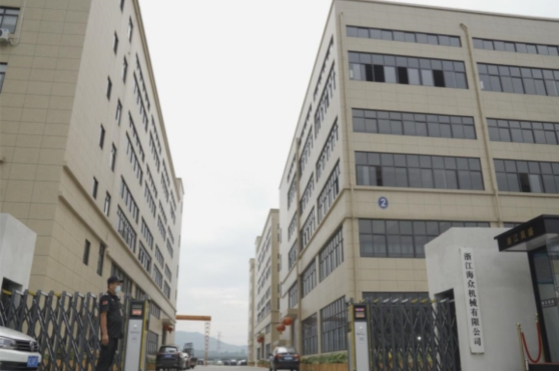
ZHEJIANG HAIZHONG MACHINERY CO., LTD.
Popular Blogs
-
 Successful caseProducts and services
How to Train Employees to Operate a Bottle Packing Machine Effectively?
-
 Successful caseIndustry insights
The Blister Packaging Process: A Complete Step-by-Step Guide
-
 Successful caseComparative analysisIndustry insights
What Type of PVC Is Best for Blister Packing Machines?