The Evolution and Types of Capsule Filling Machines
Historical Development of Capsule Filling Technology
The journey of capsule filling machines began in the early 20th century with manual and semi-automatic devices. As pharmaceutical demands grew, so did the need for more efficient filling methods. The 1950s saw the introduction of the first fully automatic capsule filling machines, revolutionizing the industry. These early models laid the groundwork for the sophisticated equipment we see today, incorporating advanced features like precision dosing systems and high-speed operation.
Manual vs. Automatic Capsule Filling Machines
Manual capsule fillers are still used in small-scale production and research settings. They require operators to load empty capsules and fill them by hand. While labor-intensive, they offer flexibility for small batches and customized formulations. Automatic capsule filling machines, on the other hand, can process thousands of capsules per hour with minimal human intervention. They excel in large-scale production environments, ensuring consistency and reducing the risk of contamination.
Innovative Features in Modern Capsule Filling Equipment
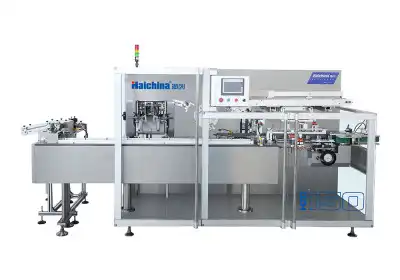
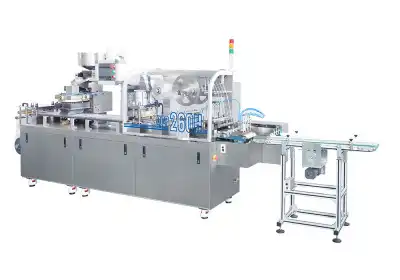
Today's capsule filling machines boast an array of cutting-edge features. Servo-driven systems provide precise control over filling operations, while integrated weighing mechanisms ensure accurate dosing. Advanced models incorporate vision systems for quality control, rejecting defective capsules in real-time. Some machines even offer the capability to fill liquid formulations into capsules, expanding their versatility in pharmaceutical manufacturing.
The Role of Capsule Filling Machines in Pharmaceutical Manufacturing
Enhancing Production Efficiency and Output
Capsule filling machines significantly boost productivity in pharmaceutical manufacturing. High-speed models can fill up to 200,000 capsules per hour, dwarfing manual filling rates. This efficiency not only increases output but also reduces labor costs and minimizes human error. The consistent operation of these machines ensures a steady supply of medications, helping manufacturers meet market demands and maintain competitive pricing.
Ensuring Dosage Accuracy and Product Consistency
Precision is paramount in pharmaceutical production. Capsule filling machines utilize advanced dosing systems to measure and dispense exact amounts of medication. This accuracy is crucial for therapeutic efficacy and patient safety. By maintaining consistent fill weights across batches, these machines help pharmaceutical companies comply with stringent regulatory standards and ensure product uniformity.
Compliance with Good Manufacturing Practices (GMP)
Modern capsule filling equipment is designed to meet Good Manufacturing Practices (GMP) requirements. Features like clean-in-place systems, dust extraction units, and sealed operating environments minimize contamination risks. Many machines offer data logging capabilities, facilitating traceability and quality assurance processes. These GMP-compliant features are essential for pharmaceutical manufacturers to maintain regulatory compliance and product integrity.
The Impact of Capsule Filling Machines on Healthcare Accessibility
Reducing Medication Costs Through Efficient Production
The high-speed operation and automation capabilities of capsule filling machines contribute to economies of scale in pharmaceutical production. By reducing labor costs and increasing output, these machines help lower the overall cost of manufacturing medications. This efficiency can translate into more affordable medications for patients, potentially improving access to essential treatments, especially in developing regions where healthcare costs are a significant barrier.
Enabling Diverse Formulations and Dosage Forms
Capsule filling machines accommodate a wide range of formulations, from powders and pellets to liquids and combinations thereof. This versatility allows pharmaceutical companies to develop innovative drug delivery systems and tailor medications to specific patient needs. For instance, capsules can be filled with time-release pellets or combinations of active ingredients, offering more convenient dosing regimens and potentially improving patient adherence to treatment plans.
Supporting Global Health Initiatives
The scalability and efficiency of capsule filling machines play a crucial role in supporting global health initiatives. During public health crises or disease outbreaks, these machines enable rapid production of necessary medications. Their ability to quickly adapt to different formulations also supports the development and distribution of new treatments and vaccines. By facilitating large-scale production of affordable medications, capsule filling machines contribute to improving healthcare access and outcomes worldwide.
Conclusion
Capsule filling machines are indispensable tools in modern pharmaceutical manufacturing, playing a vital role in healthcare accessibility and quality. These sophisticated devices ensure precise dosing, maintain product consistency, and significantly enhance production efficiency. By enabling the large-scale production of diverse medication formulations, capsule filling machines contribute to reducing healthcare costs and improving global access to essential medicines. As technology continues to advance, these machines will undoubtedly play an even more crucial role in shaping the future of pharmaceutical production and healthcare delivery worldwide.
FAQs
1. What types of materials can be filled using a capsule filling machine?
Capsule filling machines can handle a wide range of materials, including powders, pellets, granules, and even liquids. They are versatile enough to work with various pharmaceutical formulations, nutraceuticals, and dietary supplements.
2. How do capsule filling machines ensure accurate dosing?
Modern capsule filling machines use precision dosing systems, often incorporating weight-checking mechanisms and servo-driven controls to ensure accurate and consistent fill weights across batches.
3. Are capsule filling machines suitable for small-scale production?
Yes, there are capsule filling machines designed for small-scale production, including manual and semi-automatic models that are ideal for research, compounding pharmacies, or small batch manufacturing.
Expert Capsule Filling Machine Solutions | Haichina
At Haichina, we specialize in providing top-tier capsule filling machines tailored to meet diverse pharmaceutical manufacturing needs. Our state-of-the-art equipment combines precision, efficiency, and compliance with industry standards. As a leading supplier and manufacturer, we offer customizable solutions that ensure optimal performance and reliability. For expert guidance on selecting the perfect capsule filling machine for your production requirements, contact our team at [email protected].
References
Smith, J. (2022). Advancements in Pharmaceutical Manufacturing Equipment. Journal of Drug Delivery Science and Technology, 65, 102-115.
Johnson, M., & Brown, L. (2021). The Impact of Automation on Pharmaceutical Production Costs. International Journal of Pharmaceutics, 592, 120-132.
World Health Organization. (2023). Good Manufacturing Practices for Pharmaceutical Products: Main Principles. WHO Technical Report Series, No. 986.
Anderson, R. (2020). Capsule Technology: Innovations in Drug Delivery Systems. Pharmaceutical Research, 37(8), 156-170.
Lee, S., & Taylor, G. (2022). Global Access to Medicines: The Role of Manufacturing Technologies. The Lancet Global Health, 10(3), e345-e357.
Chen, Y. (2023). Efficiency and Precision in Modern Pharmaceutical Equipment. Annual Review of Biomedical Engineering, 25, 321-345.