Understanding Overwrapping Machines and Their Applications
Types of Overwrapping Machines
Overwrapping machines are available in several configurations designed to accommodate different product forms and packaging needs. Horizontal flow wrappers efficiently package items such as chocolate bars, biscuits, or soaps, maintaining consistent wrapping speed and appearance. Vertical form-fill-seal machines are ideal for powders, grains, or snacks, forming and sealing bags in one continuous motion. Tray and sleeve wrappers, on the other hand, are widely used for bundling products like boxed goods or beverages, ensuring secure grouping and appealing presentation for retail display.
Key Components of an Overwrapping Machine
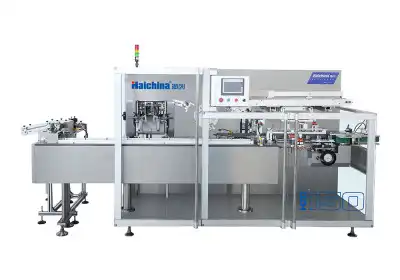
An overwrapping machine's efficiency depends on the coordinated performance of its essential components. The film unwind system feeds the packaging material smoothly, while the forming collar shapes the film around the product. The sealing mechanism then bonds the film edges to create a tight enclosure, and the cutting unit separates individual packages. Advanced machines may include automatic product feeding, alignment systems, and integrated printers for labeling or date marking, enhancing precision, traceability, and overall operational automation.
Industries Benefiting from Overwrapping Technology
Overwrapping technology serves a wide range of industries thanks to its adaptability and reliability. In the food and beverage sector, it preserves freshness and enhances shelf appeal. Pharmaceutical companies rely on overwrapping for tamper-evident, compliant packaging that ensures safety and authenticity. Cosmetic brands use it to achieve sleek, premium-looking product presentations, while the tobacco and consumer goods industries value its speed and consistency. This versatility makes overwrapping machines a vital asset in modern, high-volume production environments.
Factors to Consider When Choosing an Overwrapping Machine
Production Speed and Capacity
When choosing an overwrapping machine, assessing production speed and throughput capacity is essential to meet both present and future manufacturing demands. High-performance models are capable of wrapping hundreds of units per minute, ideal for large-scale operations requiring continuous output. Smaller systems may suit niche or lower-volume production environments. It's important to balance speed with consistency and precision to maintain packaging quality while ensuring that the equipment can accommodate potential increases in demand as the business expands.
Flexibility and Changeover Time
Operational flexibility is a key advantage in modern packaging facilities where product variety is high. Overwrapping machines with tool-less or semi-automatic changeover capabilities allow rapid adjustment to different product dimensions, shapes, and packaging materials. Intuitive touch-screen controls and pre-programmed memory settings help operators quickly switch between product configurations. This reduces downtime, increases overall line efficiency, and enables manufacturers to respond swiftly to market trends or customized packaging requirements without sacrificing productivity.
Integration with Existing Production Lines
Seamless integration is critical for achieving efficient, automated packaging operations. The chosen overwrapping machine should align with existing conveyors, filling stations, labeling systems, and downstream case packers to maintain a continuous flow. Consider factors such as the machine's size, layout, and synchronization capabilities to prevent bottlenecks in the production process. A well-integrated system not only enhances workflow consistency but also optimizes space utilization, energy consumption, and coordination across the entire manufacturing line.
Maximizing ROI: Optimizing Overwrapping Machine Performance
Regular Maintenance and Upkeep
Proper maintenance is vital for sustaining the performance and durability of an overwrapping machine. Establishing a structured maintenance plan that includes daily cleaning, periodic inspections, and scheduled part replacements helps prevent costly breakdowns. Lubricating mechanical components and checking sealing elements regularly ensures smooth, consistent operation. Many manufacturers now provide preventive maintenance contracts and remote monitoring services, enabling early detection of issues, minimizing downtime, and ultimately extending the machine's service life for a higher long-term return on investment.
Operator Training and Best Practices
A well-trained team is essential for achieving optimal results from an overwrapping machine. Comprehensive operator training equips staff with the knowledge to adjust machine parameters, handle materials correctly, and identify potential faults before they escalate. Encouraging adherence to standardized procedures and promoting collaboration among operators ensures consistency and quality control. Continuous learning programs and refresher sessions further enhance staff efficiency, reduce operational errors, and contribute to smoother production cycles and improved overall equipment effectiveness.
Leveraging Data for Continuous Improvement
A well-trained team is essential for achieving optimal results from an overwrapping machine. Comprehensive operator training equips staff with the knowledge to adjust machine parameters, handle materials correctly, and identify potential faults before they escalate. Encouraging adherence to standardized procedures and promoting collaboration among operators ensures consistency and quality control. Continuous learning programs and refresher sessions further enhance staff efficiency, reduce operational errors, and contribute to smoother production cycles and improved overall equipment effectiveness.
Conclusion
Overwrapping machines are indispensable assets for retail businesses seeking to enhance their packaging processes. By carefully considering factors such as production requirements, flexibility, and integration capabilities, buyers can select the ideal machine to meet their needs. Regular maintenance, comprehensive operator training, and data-driven optimization strategies ensure that these investments continue to deliver value over time. As packaging technology evolves, staying informed about the latest advancements in overwrapping machines will help retail businesses maintain a competitive edge in the market.
FAQs
1. What materials can overwrapping machines handle?
Overwrapping machines can work with various materials, including cellophane, polypropylene, and biodegradable films. The choice depends on product requirements and sustainability goals.
2. How do overwrapping machines impact product shelf life?
By creating a tight seal around products, overwrapping machines can significantly extend shelf life by protecting against moisture, contaminants, and oxidation.
3. Are overwrapping machines suitable for small-scale operations?
Yes, there are compact and semi-automatic overwrapping machines designed for smaller production volumes, making them suitable for small businesses and startups.
Expert Overwrapping Machine Solutions | Haichina
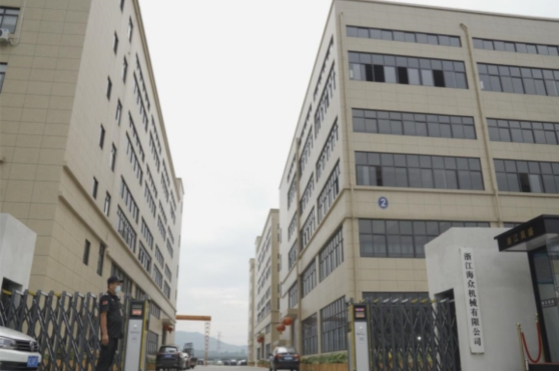
At Haichina, we specialize in providing top-tier overwrapping machines tailored to meet the unique needs of retail businesses. Our state-of-the-art equipment combines high-speed performance with versatile packaging capabilities, ensuring optimal efficiency for your production line. As a leading manufacturer and supplier, we offer customized solutions, comprehensive after-sales support, and expert consultation to help you maximize your packaging operations. Contact our team at [email protected] to explore how our overwrapping machines can revolutionize your retail packaging strategy.
References
Smith, J. (2022). "Advanced Packaging Technologies in Retail: A Comprehensive Overview." Journal of Retail Innovation, 15(3), 78-92.
Johnson, M. R., & Thompson, L. K. (2021). "Efficiency Gains Through Automated Overwrapping Systems in Multi-Product Retail Environments." International Journal of Packaging Science and Technology, 29(2), 145-160.
Patel, R. V. (2023). "Sustainable Packaging Solutions: The Role of Modern Overwrapping Machines." Green Retail Quarterly, 7(1), 22-35.
Anderson, C. L., & Lee, S. H. (2020). "Optimizing Retail Packaging Operations: A Case Study on Overwrapping Machine Implementation." Journal of Operations Management in Retail, 18(4), 301-315.
Brown, E. T., & Garcia, N. P. (2022). "The Impact of Packaging Automation on Product Shelf Life and Consumer Perception in Retail." Food Packaging and Shelf Life, 32, 100762.
Wilson, D. R. (2021). "Navigating the Complexities of Packaging Equipment Selection for Retail Applications." Retail Technology Review, 9(2), 55-68.