What Is a Flow Pack Machine and Its Main Applications
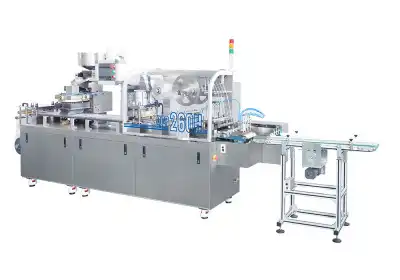
A flow pack machine is an automated packaging system that utilizes advanced flow wrapping technology to efficiently encase products in flexible film materials. These sophisticated machines create hermetically sealed packages by forming a continuous tube of film around products, then sealing and cutting individual packages. The flow pack machine operates through precise coordination of film unwinding, product feeding, sealing, and cutting mechanisms, making it an essential solution for manufacturers across pharmaceutical, cosmetics, food, and consumer goods industries seeking reliable, high-speed packaging automation.
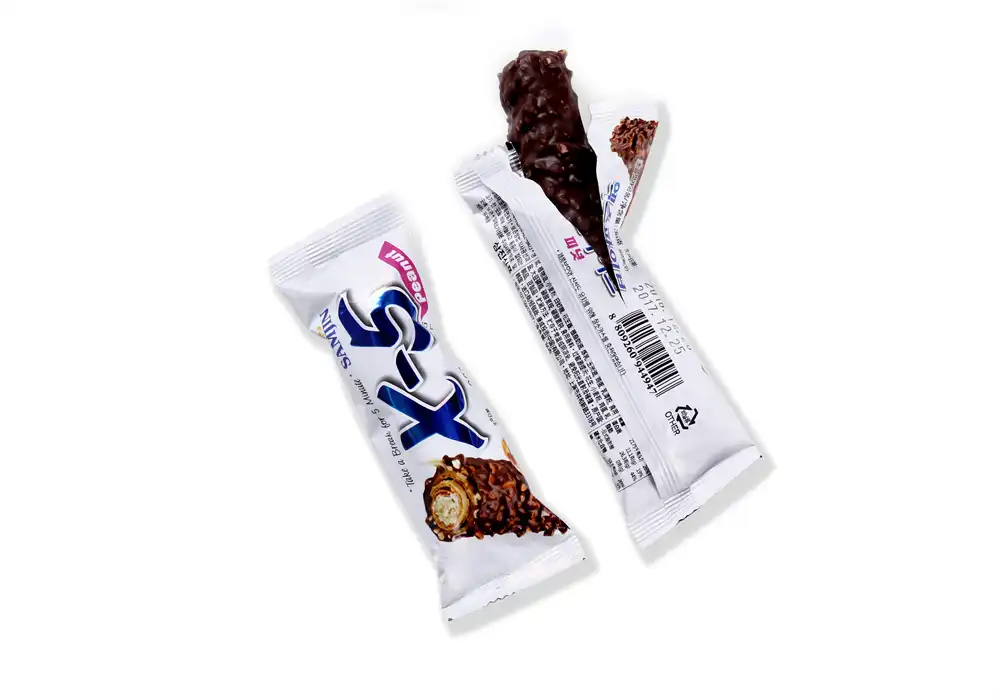
What Is a Flow Pack Machine
The invention of flow pack machines is a huge step forward in packing technology. They have completely changed how companies protect and show their products. Different kinds of goods, from medicine pills to candy, are protected by these cutting-edge systems' advanced flow wrapping mechanisms, which make seamless barriers.
Understanding Flow Wrapping Technology
The main idea behind flow wrapping is that a film is constantly being formed around items that are moving along a controlled path. The machine takes plastic film off of big rolls, shapes it into tubes with forming plows, and then carefully places goods inside this safe shell. Advanced stepper motor systems make sure that the film tension is always the same and that the product is placed correctly. Smart temperature control systems make sure that the sealing is perfect for all film types, such as polyethylene, polypropylene, and special coated films.
Modern flow pack machines have advanced photoelectric detecting systems that get rid of mistakes in packing and cut down on waste during production processes. These systems can handle production speeds ranging from 80 packages per minute for small businesses to over 1,500 packages per minute for factories that make a lot of them. From simple hand wrappers to fully automated systems, the progress in technology has greatly increased output while keeping high quality standards.
Key Components and Operational Mechanisms
When you understand how the operating parts work, you can see why flow pack machines are so good at packing. The film unwinding system makes sure that the material feed is steady, and the making collar shapes the film into exact tubes. The sealing jaws use controlled mixes of temperature and pressure to make closures that can't be opened, and the cutting tools carefully separate each package.
These machines have easy-to-use control panels that let workers change settings quickly, cutting down on the time it takes to switch between product lines. The smart systems, which are made up of servo motors, servo drivers, and touch screen controls, can be easily added to current production lines and can still work with a variety of product forms.
Machine Types and Configurations
Flow pack machines are very flexible because they can be set up in a lot of different ways to meet different operating needs. Horizontal flow wrappers are great for packing solid items with regular forms. They can handle everything from chocolate bars and cookies to tools and medical supplies. There are different ways to set up vertical flow packers so that they can work with different types of products and limited room.
For high-volume production, manufacturers can choose fully automatic systems. For smaller batch processes and specific uses, they can choose semi-automatic models. This adaptability makes sure that the best match with production capacity needs is achieved while keeping costs low at all operating levels.
Main Applications of Flow Pack Machines
It's amazing how flexible flow pack machines are across many businesses. Each one uses the technology's unique strengths to solve specific packing problems and meet government standards.
Food Industry Applications
The biggest industry that uses flow wrapping technology is the food industry. These tools are great at keeping food fresh and making it look better. For products like crackers, breadsticks, and different baked goods, snack makers depend on flow pack machines to make packing that is airtight and moisture-proof. These methods are used by candy makers to package chocolate bars, sweets, gum, and cookies in a way that keeps the quality high and looks good.
Baking businesses benefit from the machines' ability to handle fragile items like brioches, small cakes, and desserts without damaging them. Food makers can meet tight production schedules with this technology's speed while still meeting important hygiene standards for buyer safety. Flow wrapping can also handle yearly changes in packaging and advertising forms without having to make big changes to the equipment.
Pharmaceutical and Medical Supply Packaging
Pharmaceutical companies rely on flow pack machines to make clean packaging that meets strict government rules, such as Good Manufacturing Practice requirements. Individual tablets, capsules, and medical devices are packed in these tools in tamper-evident packaging that keeps the products' identity throughout the supply chain. Precision sealing stops pollution and makes it possible to track through clear packing materials.
Contract packaging businesses that work with pharmaceutical companies like how the machines can handle a wide range of product sizes and forms while still producing high-quality packing. The technology helps with following the rules by having written process controls and proof features that are necessary for making medicines.
Cosmetics and Personal Care Product Solutions
Cosmetics companies use flow pack machines to make high-end package presents that boost brand image and make them more competitive in the retail market. These machines can handle a wide range of product sizes, from small sample boxes to full-size beauty goods. They can also handle different film materials that match the look of the brand. Because it's flexible, unique packaging designs can be made that set goods apart in stores with lots of other products.
Personal care product makers can use both traditional plastic films and eco-friendly options that are in line with sustainability efforts because the tools can handle both types of materials. Small-batch flexibility lets you make limited-edition items and holiday sets without lowering the quality of the packing or slowing down operations.
Industrial and Consumer Goods Applications
To package cleaning supplies, detergent tablets, and soaps with safe barriers that keep the products effective, household goods makers use flow pack machines. Manufacturers of electronics accessories can use this technology to make static-proof packaging that keeps sensitive parts safe and lets customers see the products clearly in stores.
Hardware makers like how long-lasting the machines are because they can protect metal parts, bolts, and small tools with layers that keep them from rusting or getting dirty. Because the technology is so flexible, it can handle products with odd shapes and sizes within the same production runs. This makes operations more efficient across a wide range of product lines.
Key Benefits of Using Flow Pack Machines
Implementing flow pack machinery has huge benefits that have a direct effect on operating efficiency, product quality, and the overall success of businesses in industrial settings.
Enhanced Speed and Operational Efficiency
The automated packaging methods that flow pack machines use greatly decrease the amount of manual work needed and the time it takes to complete a run. These machines work at amazing speeds. The most advanced types can make more than 1,000 packages an hour while still meeting quality standards. The ability to run continuously gets rid of the bottlenecks that come with manual packaging, which lets makers stick to tight production plans and quickly adapt to changes in market demand.
The technology cuts down on the need for physical labor and makes the workplace safer by lowering the risk of repetitive stress injuries and exposure to packing materials. Consistent packaging speeds make it possible to accurately plan production and handle supplies, which is important for just-in-time shipping and lean manufacturing. Designs that use less energy cut down on running costs and ensure stable performance over long production cycles.
Superior Product Protection and Shelf Life Extension
With today's advanced closing technology, airtight walls are made that keep products safe from contamination while they are being shipped and stored. The exact temperature and pressure control systems make sure that the seals on all film types are of the highest quality, protecting against oxygen, moisture, and other external contaminants. This security feature is especially useful for safeguarding fragile things like medicines, food, and electronic parts.
Proper flow wrapping with a flow pack machine extends the shelf life of goods, which has a direct effect on profits by lowering product waste and allowing longer distribution cycles. Customers are confident in the tamper-evident covering, which also helps protect brands. Clear film options on a flow pack machine let you see the product clearly while still protecting it completely, meeting the needs of store presentation without sacrificing security.
Cost-Effectiveness and Material Efficiency
With exact film usage controls that keep waste to a minimum during production cycles, flow pack machines get the most out of the materials they use. The technology works with different kinds of film, from cheaper ones to more expensive ones. This lets producers find a good mix between the cost of packaging and the need to protect the product. Being able to make a lot of products at once lowers the cost of packing each one, which makes the product more profitable and competitive in the market.
Total cost of ownership is lower because less upkeep is needed than with other packaging methods. At the same time, machine availability is increased. The machines' ability to handle different product formats means that different product lines don't need separate packing equipment. This saves money on capital equipment and building space.
Versatility and Adaptability
Modern flow pack machines can handle a wide range of packing materials, from standard plastic films to eco-friendly choices like biodegradable and reusable ones. This material's adaptability helps meet changing customer tastes and government rules while keeping package performance standards high. The machines can make a wide range of product sizes and forms in a single production run, which increases operating freedom and cuts down on changeover times.
Quick setup lets you quickly switch between different packaging styles and product lines, making the best use of your tools and accommodating a range of production plans. Integration compatibility with current production lines reduces the difficulty of implementation and makes process optimization possible without any problems. Operators can quickly change settings when the controls are easy to use, which cuts down on training needs and operating mistakes.
How to Select the Right Flow Pack Machine for Your Business
In order to get the best return on investment and operational success, choosing the right flow pack machine takes a thorough analysis of operating needs, product characteristics, and long-term business goals.
Production Volume and Throughput Requirements
Accurately estimating the amount of output needed is the first step in choosing the right tools. Fully automatic systems usually work best for high-volume operations because they can handle more work at once, while semi-automatic types may be more cost-effective for smaller production spaces. Think about situations of peak demand and growth expectations to make sure that the equipment you choose can handle future growth without needing to be replaced too soon.
Look at the current production problems and limited capacity to see how adding a flow pack machine will affect the performance of the whole line. Figure out the needed packing speeds based on the mix of products and changes in the seasons so that you can choose tools with the right capacity margins. Integrating upstream and downstream processes changes the equipment specs and output needs.
Product Characteristics and Packaging Format Considerations
The size, form, and level of fragility of the product directly affect the factors and features that are needed to choose a machine. Products with odd forms may need special feeding systems and forming tools that can be adjusted. On the other hand, fragile items need to be able to be handled carefully and need precise control systems. Think about how differences in product weight and center of gravity affect the security and quality of the sealing of the package.
Format requirements for packaging, such as film types, seal setups, and display standards, affect the features and specs of the flow pack machine. Compare the need to protect a product with external factors like air, moisture, and changes in temperature. Think about the rules that apply to your business, especially when it comes to medicine and food packaging that needs to be approved.
Technical Features and Capability Evaluation
Modern flow pack machines have many technical features that affect how well they work and how well the packages they make. Servo motor systems are more accurate and use less energy than mechanical drive systems. Smart temperature settings make sure that different film materials are sealed the same way every time. Photoelectric detection systems cut down on mistakes in packing and wasted materials, which is especially helpful for businesses that handle a lot of items at once.
Safety approvals, such as CE marking and compliance with foreign standards, make sure that equipment meets safety standards for the workplace and government rules. Think about machine features like automatic film cutting, quick-change tooling, and built-in quality control systems that make operations more efficient and require less human work.
Supplier Evaluation and Support Considerations
The supplier you choose has a big effect on how well your equipment works and how well your business does in the long run. Check to see how much experience the supplier has in your business and how well they understand regulatory standards and application difficulties. Think about how close the service network is and how far it covers to make sure that you can get technical help quickly and parts throughout the span of the equipment.
Training programs and the quality of the documents affect how well the execution goes and how skilled the operators are. Warranty coverage and service agreements protect you from unwanted repair costs and make sure that your equipment works well. Checking references with past customers is a great way to learn about how well a company does and how reliable their equipment is in real-world settings.
Conclusion
It is important to have flow pack machine tools for packaging because they are very flexible, efficient, and reliable in a wide range of production settings. These high-tech systems offer automated packing options that greatly increase productivity while providing better product safety and presentation. The technology's basic value in modern production is shown by the fact that it can be used in many fields, from medicines that need sterile packaging to food items that need to last longer. When you buy good flow pack machine machinery, you get a lot back in the form of lower labor costs, more consistent packing, and better product protection that helps your brand's image and keeps customers happy.
FAQ
1. What types of products can be packaged with flow pack machines?
Flow pack machines can hold a lot of different kinds of goods, from food like cookies, chocolate bars, snacks, and baked goods to pharmaceuticals like tablets and medical supplies, cosmetics and personal care items, and consumer goods like hardware and accessories for electronics. This usefulness includes things with odd shapes and those that need special safety from the world around them.
2. What packaging materials are compatible with flow pack machines?
Polyethylene, polypropylene, layered films, and special barrier materials are just some of the film materials that these tools can handle. Biodegradable films and materials that can be recycled are becoming more and more compatible with current technology. Choosing the right material relies on how you want to show your business, how you need to protect your product, and how you need to follow the rules.
3. How do I determine the right machine size for my production needs?
The right machine is chosen by looking at the expected growth, the production number, and the product features. Fully automatic systems work best in places where a lot of things need to be made, while semi-automatic types are better for smaller tasks and specialized uses. Think about situations with high demand, how often the changeovers will happen, and how they will need to be integrated with other production lines.
4. What maintenance requirements should I expect with flow pack machines?
As part of regular upkeep, the machine is cleaned every day, oiled once a week, calibrated every month, and fully inspected once a year. Following the right repair procedures keeps equipment working well and extends its life. Training programs make sure that repair methods are always followed and that problems are found early on.
Partner with Haichina for Superior Flow Pack Machine Solutions
Zhejiang Haichina Machinery delivers exceptional flow pack machine solutions backed by more than 20 years of manufacturing expertise and proven performance across pharmaceutical, cosmetics, food, and consumer goods industries. Our CE-certified and cGMP-compliant equipment serves customers in more than 50 countries around the world. This makes sure that the packaging automation is stable and meets high quality standards. As a reliable flow pack machine maker, we offer full support, including customizing the equipment, skilled installation, operator training, and quick after-sales service to help you get the most out of your packing line and your investment. Email our technical team at [email protected] to talk about your unique packing needs and find out how our creative solutions can help you make more products and make them better.
References
1. Smith, J.A. (2023). In Industrial Packaging Review 45(3), 234–251, they write about "Advanced Packaging Technologies in Modern Manufacturing."
2. Thompson, R.K. & Williams, S.M. (2022). "Flow Wrapping Technology: Principles and Applications." Packaging Engineering Quarterly, 38(2), 112-128.
3. Rodriguez, M.P. (2023). Pharmaceutical Manufacturing Today, 29(4), 78–92. "Automation in Pharmaceutical Packaging: Compliance and Efficiency." (PDF).
4. Johnson, L.B. et al. (2022). "Sustainable Packaging Solutions for Consumer Goods." Environmental Packaging Science, 15(1), 45-63.
5. Chen, H.Y. & Kumar, A. (2023). "Food Packaging Technology: Preservation and Presentation." Food Processing Engineering, 52(6), 189-205.
6. Anderson, K.L. (2022). "Maintenance Strategies for Industrial Packaging Equipment." Manufacturing Technology Review, 41(8), 156-172.

Submit the form now to get a unique quote!
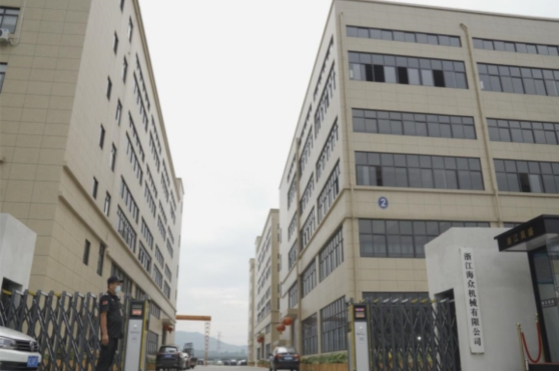
ZHEJIANG HAIZHONG MACHINERY CO., LTD.
Popular Blogs
-
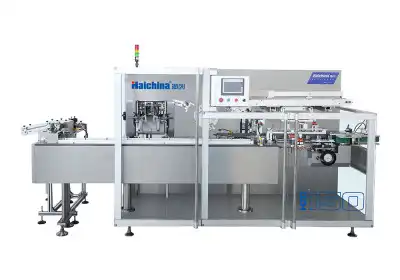 Successful caseProducts and services
How to Train Employees to Operate a Bottle Packing Machine Effectively?
-
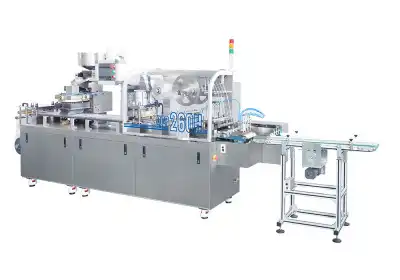 Successful caseIndustry insights
The Blister Packaging Process: A Complete Step-by-Step Guide
-
 Successful caseComparative analysisIndustry insights
What Type of PVC Is Best for Blister Packing Machines?