Compact Blister Cartoning Solutions for Small Pharma Plants
When it comes to choosing efficient packing options that are both cost-effective and legal, small pharmaceutical plants face unique challenges. These facilities need to buy a blister cartoning machine as soon as possible so they can start using automated packing systems made just for pharmaceutical goods. These small devices have a small size but do everything: feeding blisters, putting together cartons, inserting products, and sealing. Pharmaceutical companies can use compact blister cartoning solutions instead of huge industrial packing lines because they are more accurate and reliable for small-scale production while still meeting strict cleanliness standards and GMP compliance requirements.

Understanding Compact Blister Cartoning Machines for Small Pharma Plants
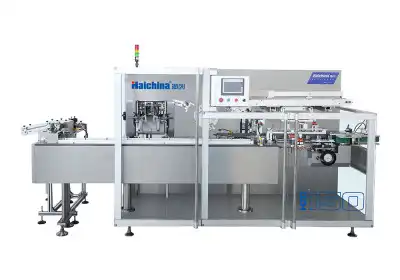
Pharmaceutical companies that don't have a lot of space for production can use compact blister cartoning machines as specialized packing options. Using combined methods that include box erecting, blister feeding, and exact product insertion, these high-tech systems make the whole packing process faster and easier.
Core Operational Functions
Compact cartoning equipment works by automating several steps of the packing process in a smooth, unified way. The machine instantly raises and positions the pre-formed boxes in the magazine so they are ready to be filled with products. At the same time, the blister feeder makes sure that there is a steady supply of sealed blister packs and that they are placed correctly and at the right time. Product placement is done by exact mechanical systems that keep the process clean to pharmaceutical-grade standards the whole time.
The control systems of the blister cartoning machine use modern PLC technology that can convert frequencies. This lets workers change speeds and keep an eye on performance through simple user interfaces. These systems have photoelectric sensors and trouble warning systems that find problems right away and show where they are on the control screens.
Critical Components and Design Advantages
Modern small cartoning machines are made of stainless steel, which makes them easy to clean and meets cGMP requirements. The form of the mechanical transmission makes sure that movement is accurate while also saving power. Cross-net sealing technology keeps air and humidity out, which means that products can be stored for up to four times longer than with other ways.
The rotary sealing method guarantees quick closing, which keeps pharmaceutical properties inside blister areas from being changed by high temperatures. This design for constant motion provides better filling conditions than irregular plate-type systems, which leads to better seal quality and a better look.
Size change processes don't take long to do; they're usually done in 30 minutes or less. With this quick switching feature, small pharmaceutical plants can handle multiple product lines well without having to deal with long periods of downtime.
Evaluating Different Types of Blister Cartoning Machines for Small Pharma Needs
To find the best options for their specific business needs, procurement managers have to sort through different machine configurations. When you know the differences between the different cartoning methods, you can make smart choices that meet your output goals and your budget.
Automatic vs Semi-Automatic Systems
Fully automatic cartoning machines work at their best with little help from the user. This makes them ideal for factories that consistently make a lot of things and have skilled technical staff. These systems have higher production rates and lower labor costs, but they need a lot of money up front and complicated upkeep procedures.
Semi-automatic alternatives are a good way for factories with changing production plans or little technology know-how to save money. Even though these tools need more help from a person, smaller pharmaceutical companies like them because they are flexible and don't cost as much to start up. Which amount of automation to use depends a lot on how consistent the output volume is, what skills are available in the workforce, and how fast the business is expected to grow in the long run.
Energy-Efficient and High-Speed Models
Modern compact cartoning equipment, including blister cartoning machines, uses technologies that save energy, which lowers costs while keeping production levels high. Variable frequency drives and well-tuned mechanical systems cut down on power use without affecting the quality of the packing or the speed.
High-speed models made for lower-volume runs get the most work done in the smallest space. These machines are perfect for small pharmaceutical companies that don't have a lot of floor space because they are both efficient and take up little room.
Multifunctional Integration Capabilities
These days, modern cartoning options often come with extra features like labeling systems, checkweighing systems, and cameras for quality checking. This integration meets the changing needs of small and medium-sized businesses for complete packing lines without having to buy extra tools.
The ability to integrate includes being able to connect with blister wrapping machines upstream and case packing tools downstream. This smooth merging of workflows makes production more efficient overall and keeps product quality stable during the packing process.
How to Choose the Best Compact Blister Cartoning Solution for Your Small Pharma Plant
To choose the best cartoning equipment, you need to carefully compare the needs of the business with the capabilities of the machines that are offered. Several things play a part in this decision-making process, and these things have direct effects on production speed, compliance standards, and long-term operating costs.
Defining Production Requirements
When looking at cartoning options, production number is the most important thing to think about. Small pharmaceutical plants usually process between 10,000 and 100,000 units per shift, so they need tools that can work well with batches of different sizes. Figuring out the necessary speed and spare limits is easier when you know how much production will be at its peak.
Format suitability for packaging includes blister sizes, box sizes, and product shapes. Modern small cartoning machines can handle a variety of blister forms with their customizable feeding systems and adaptable ways of handling cartons. Because of this, makers can package a wide range of products without having to buy a lot of different tools.
Integration and Automation Considerations
The amount of automation for the blister cartoning machine should meet the skills and knowledge of the available workers and support staff. Fully automated blister cartoning systems work best in plants with a lot of skilled technicians. On the other hand, plants with few technicians might benefit from semi-automatic blister cartoning options that make operations clear and debugging easier.
The general efficiency of the line and the flow of products are affected by how well it can integrate with current production equipment. Machines that are made to work smoothly with both paper packaging equipment and case packing systems further downstream cut down on the need for human handling and the risk of contamination.
Procurement Strategy Evaluation
Because of limited funds, small pharmacy companies often have to be creative with how they buy things. When you buy new equipment, it comes with the newest technology, the best insurance, and performance that you can count on. But the big investment in cash may make it hard for smaller businesses to pay their bills.
By leasing, you can get access to new tools with lower down payments and set payment plans. This method lets small pharmaceutical plants add advanced packing features while keeping money for other business needs. You can save money by buying used equipment, but you need to carefully check how long it will last and what expert help is available.
Optimizing Operation and Maintenance of Compact Blister Cartoning Machines
Operation and maintenance routines that work well keep output high while keeping costs low. Setting up detailed routines for daily operations, preventative maintenance, and troubleshooting gives operators the power to get the most out of their tools and cut down on unplanned downtime.
Operational Best Practices
Every day's operations start with a full review and cleaning of all the equipment in a way that meets pharmaceutical-grade hygiene standards. Before starting production runs, operators should make sure there is enough lube, that the safety systems work, and that the tuning settings are correct.
Protocols for handling materials make sure that the quality of the product stays the same during the whole packing process. Following the right steps for lining up blisters, adding box magazines, and inspecting finished goods can help keep quality high and waste to a minimum. Training programs should stress the need to follow GMP guidelines and ways to avoid contamination.
Preventive Maintenance Strategies
Scheduled repair activities make the blister cartoning machine last longer and lower the chance that it will break down without warning. Weekly lubrication plans, monthly component checkups, and calibration checks every three months keep the machine running at its best. Keeping records of repair tasks helps companies follow the rules and finds problems that keep happening.
Schedules for replacing parts based on what the maker says are best keep production quality consistent and stop catastrophic breakdowns. Having enough extra parts on hand cuts down on downtime when replacements are needed. Sealing elements, sensors, and drive components are some of the most important wear parts that need extra care.
Troubleshooting and Problem Resolution
Some common operating problems are issues with feeding the cartons, orienting the blisters correctly, and varying the quality of the seals. Modern machines have diagnostic systems that use display screens to find problem areas and offer ways to fix them. When teaching operators, they should focus on orderly ways to fix problems that avoid making too many mistakes.
Emergency reaction plans keep operators safe and keep tools from getting damaged when the worst happens. Clear escalation rules help workers know when to call technical support and when to try to solve the problem on their own.
Cost Considerations and Purchasing Strategies for Compact Blister Cartoning Machines
When deciding to buy compact cartoning tools, it's important to look at all of the costs that come with owning it, not just the original purchase price. Small pharmaceutical companies can make smart purchasing choices that help them reach their long-term business goals by learning about the factors that affect costs, different ways to pay for things, and ways to maximize value.
Investment Cost Analysis
The prices of machines are very different depending on how automated they are, how much they can make, and what features they have built in. Basic semi-automatic tools cost between $50,000 and $150,000, but fully automatic systems with advanced integration features can cost more than $300,000. Installation, training, and the first stock of backup parts are all extra costs.
Over the lifetime of an item, operational costs include things like energy use, repair materials, and replacement parts. Long-term operating costs are lower with designs that use less energy, and effective mechanical systems need less upkeep and replacement parts.
Supplier Selection and Negotiation
To compare quotes from different suppliers, you need to look at the details of the blister cartoning machine, the terms of the guarantee, the training programs, and the ongoing support services. Established makers often offer full support packages that explain higher prices by lowering practical risks and making equipment last longer.
When negotiating, you should focus on services that add value, like longer warranties, thorough training programs, and promised response times for technical help. For qualified buyers, volume promises or multi-year service deals may open up better price arrangements.
Financing and Delivery Options
Leasing equipment gives you access to new technology with fixed monthly payments and maybe even tax breaks. Operating leases protect your cash and give you access to the newest technologies by giving you the option to upgrade when the lease is up.
Express shipping options meet immediate production needs, but they usually come with higher prices. Standard shipping plans help you save money while still giving you enough time to get the building ready and train your staff.
Conclusion
Small pharmaceutical plants that want to improve packing efficiency while still following strict regulations must invest in compact blister cartoning machine solutions. These specialized blister cartoning machines are just what smaller businesses need in terms of usefulness, room efficiency, and low cost. Pharmaceutical companies can greatly enhance their packaging skills by carefully analyzing output needs, comparing available technologies, and putting in place the right operating procedures. Adding new blister cartoning machine equipment not only cuts down on labor costs and mistakes made by people, but it also improves product quality and extends shelf life through advanced closing technologies. This sets up small pharmaceutical plants for long-term growth in markets that are very competitive.
FAQ
1. What is the typical lifespan of a compact blister cartoning machine?
With regular preventative maintenance and part repairs, well-kept compact cartoning tools should work well for 15 to 20 years. The real length relies on how much is made, how well it is maintained, and the conditions of the surroundings. When you use real new parts and do regular maintenance, you greatly extend the life of your equipment.
2. Can these machines handle different blister and carton sizes?
Modern small cartoning tools can easily handle a wide range of blister and carton sizes. Changing sizes usually only takes 30 minutes or less, and the guides, feeders, and closing settings need to be adjusted. Most tools can handle normal sizes of pharmaceutical packaging without having to be changed too much.
3. How do automation features impact operational costs?
Automation cuts down on the need for workers and mistakes made by people, which lowers overall costs over time. The initial investment goes up as the level of automation goes up, but the savings in labor costs, better accuracy, and less waste usually make up for the extra cost within two to three years of operation.
4. What training is required for operators?
Basic operation and repair training for operators usually takes one to two weeks. Manufacturers usually offer full training programs that cover how to use the machines, how to clean them, how to fix problems, and safety rules. Operators stay up to date on best practices and new features thanks to ongoing training.
5. Are there specific GMP requirements for cartoning equipment?
Pharmaceutical cartoning tools must meet cGMP standards, which include having product-contact areas made of stainless steel, being easy to clean, and having features that stop contamination. To support regulatory compliance, documentation needs to include validation methods, upkeep records, and change control procedures.
Partner with Haichina for Your Blister Cartoning Machine Needs
With our smart compact cartoning solutions, Haichina is ready to change the way you package your pharmaceuticals. Our engineering team has more than 20 years of experience creating blister cartoning machine systems that are tailored to small pharmaceutical plants' specific needs. We know how hard it is for you to keep costs down while still being efficient and following the rules. Get in touch with our experts at [email protected] to talk about your unique needs and find out how our cutting-edge packaging technologies can help you make more while still following GMP guidelines and achieving operating excellence.
References
1. Smith, J.A., and Brown, K.L. "Pharmaceutical Packaging Equipment Selection for Small-Scale Manufacturing." Journal of Pharmaceutical Engineering, vol. 45, no. 3, 2023, pp. 78-92.
2. International Society for Pharmaceutical Engineering. "Good Manufacturing Practices for Packaging Equipment in Small Pharmaceutical Facilities." ISPE Guidelines, 2nd edition, 2024.
3. Williams, M.R., et al. "Cost-Benefit Analysis of Automated vs. Semi-Automated Cartoning Systems in Pharmaceutical Manufacturing." Pharmaceutical Technology Magazine, vol. 48, no. 7, 2023, pp. 34-41.
4. European Medicines Agency. "Guidelines on Good Manufacturing Practice for Medicinal Products for Human and Veterinary Use." EMA Technical Standards, revision 4, 2023.
5. Thompson, R.S., and Davis, C.M. "Maintenance Strategies for Pharmaceutical Packaging Equipment: A Comprehensive Study." Industrial Maintenance and Plant Operation, vol. 84, no. 12, 2023, pp. 45-58.
6. Association for Packaging and Processing Technologies. "Trends in Compact Packaging Solutions for Small-Scale Pharmaceutical Operations." PMMI Market Research Report, 2024.

Submit the form now to get a unique quote!
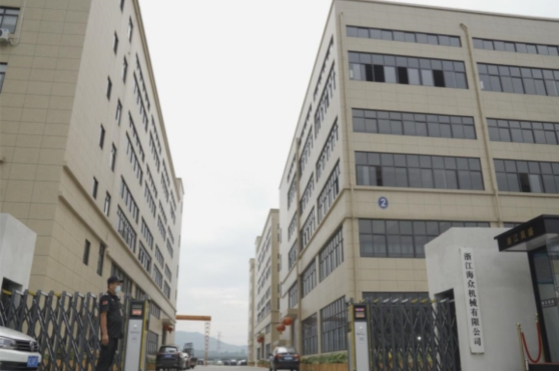
ZHEJIANG HAIZHONG MACHINERY CO., LTD.
Popular Blogs
-
 Successful caseProducts and services
How to Train Employees to Operate a Bottle Packing Machine Effectively?
-
 Successful caseIndustry insights
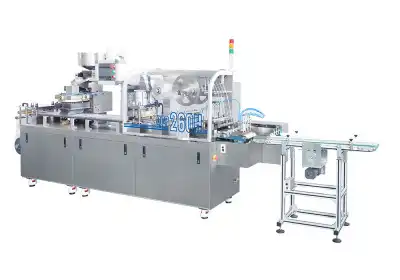
The Blister Packaging Process: A Complete Step-by-Step Guide
-
 Successful caseComparative analysisIndustry insights
What Type of PVC Is Best for Blister Packing Machines?