Advancements in Blister Packaging Technology for Pharmaceutical Safety
Integration of AI and Machine Learning
The integration of artificial intelligence and machine learning algorithms in blister packaging machines is revolutionizing pharmaceutical safety protocols. These advanced systems can analyze vast amounts of data in real-time, detecting minute irregularities that might escape human observation. By leveraging predictive maintenance capabilities, AI-enhanced blister packaging equipment can anticipate potential issues before they occur, minimizing downtime and ensuring consistent quality output. Moreover, machine learning algorithms can optimize packaging parameters based on specific product characteristics, enhancing overall efficiency and reducing material waste.
Enhanced Barrier Properties
Innovative materials and coating technologies are significantly improving the barrier properties of blister packaging. High-performance films and foils with enhanced moisture and oxygen resistance are being developed to extend product shelf life and maintain drug efficacy. Some cutting-edge blister packaging machines now incorporate multi-layer barrier materials that can be customized to meet the specific requirements of different pharmaceutical products. These advancements not only ensure better protection against environmental factors but also allow for the safe packaging of more sensitive medications that previously required alternative packaging solutions.
Smart Packaging Integration
The incorporation of smart packaging features in blister packaging machines is transforming how pharmaceuticals are monitored throughout the supply chain. Radio-frequency identification (RFID) tags and near-field communication (NFC) sensors can be seamlessly integrated into the packaging process, enabling real-time tracking and authentication of individual blister packs. This technology not only enhances supply chain visibility but also provides an additional layer of security against counterfeiting. Some advanced blister packaging systems even include temperature-sensitive indicators that alert consumers if the product has been exposed to potentially harmful conditions during storage or transport.
Key Factors in Selecting the Best Blister Packaging Machine for Pharmaceutical Safety
Compliance with Regulatory Standards
When evaluating blister packaging machines for pharmaceutical applications, adherence to stringent regulatory standards is paramount. The ideal equipment should comply with current Good Manufacturing Practices (cGMP) guidelines and meet the requirements set forth by regulatory bodies such as the FDA and EMA. This includes features like validated cleaning protocols, comprehensive documentation capabilities, and robust quality control measures. Manufacturers should look for machines that offer built-in compliance features, such as electronic batch records and audit trail functionality, to streamline the regulatory approval process and ensure consistent adherence to safety standards.
Flexibility and Scalability
The pharmaceutical landscape is constantly evolving, with new drug formulations and packaging requirements emerging regularly. Therefore, the best blister packaging machines should offer a high degree of flexibility and scalability to accommodate changing needs. Look for systems that can easily handle various blister formats, materials, and product sizes without extensive retooling. Modular designs that allow for future upgrades and expansions are particularly valuable, as they enable manufacturers to adapt to new market demands without replacing entire production lines. Additionally, quick changeover capabilities are essential for efficiently managing multiple product runs while maintaining strict quality control measures.
Integration with Industry 4.0 Technologies
As the pharmaceutical industry moves towards greater digitalization and connectivity, the ability to integrate blister packaging machines with Industry 4.0 technologies becomes increasingly important. Look for equipment that offers seamless connectivity with Manufacturing Execution Systems (MES) and Enterprise Resource Planning (ERP) platforms. This integration enables real-time data exchange, facilitating more efficient production planning, inventory management, and quality assurance processes. Advanced blister packaging systems should also support remote monitoring and diagnostics, allowing for proactive maintenance and rapid troubleshooting to minimize downtime and ensure consistent production quality.
Future Trends Shaping Blister Packaging Machine Innovation
Sustainable Packaging Solutions
The push for sustainability in pharmaceutical packaging is driving innovation in blister packaging machine design. Manufacturers are developing equipment capable of processing eco-friendly materials such as biodegradable films and plant-based polymers without compromising on safety or efficacy. Advanced blister packaging machines are incorporating features like material optimization algorithms to reduce waste and energy-efficient components to lower overall environmental impact. Some cutting-edge systems even utilize recyclable or compostable materials for both the blister cavities and lidding, addressing growing consumer and regulatory demands for more sustainable packaging options in the pharmaceutical sector.
Personalized Medicine Packaging
As personalized medicine gains traction, blister packaging machines are evolving to meet the unique requirements of customized drug regimens. Advanced systems are being developed with the capability to produce small batch sizes or even individual patient-specific blister packs efficiently. These machines incorporate flexible tooling and rapid changeover features to accommodate varying pill combinations and dosages. Some innovative blister packaging solutions even integrate on-demand printing capabilities, allowing for personalized labeling and dosing instructions to be applied directly to the packaging during production, enhancing patient compliance and reducing medication errors.
Nanotechnology in Packaging Materials
The application of nanotechnology in blister packaging materials is poised to revolutionize pharmaceutical safety. Researchers are developing nanocomposite films with enhanced barrier properties and antimicrobial characteristics. These advanced materials can be processed by next-generation blister packaging machines to create packaging that not only protects against environmental factors but also actively inhibits microbial growth. Some experimental nanotechnology-enhanced packaging materials even incorporate sensors that can detect and indicate product degradation or tampering, providing an additional layer of safety for consumers and healthcare providers.
Conclusion
In 2025, the best blister packaging machines for pharmaceutical safety will be those that seamlessly integrate cutting-edge technologies with robust safety features and sustainable practices. These advanced systems will prioritize flexibility, compliance, and connectivity while pushing the boundaries of material science and automation. By embracing AI-driven quality control, smart packaging integration, and eco-friendly solutions, pharmaceutical manufacturers can ensure their products are protected throughout the supply chain, from production to patient use. The future of blister packaging in pharmaceuticals lies in machines that not only meet current safety standards but also anticipate and adapt to evolving industry needs and regulatory requirements.
FAQs
1. What are the key safety features to look for in a blister packaging machine?
Look for features like real-time quality control, tamper-evident sealing, and integrated track-and-trace capabilities.
2. How does AI improve pharmaceutical blister packaging?
AI enhances quality control, enables predictive maintenance, and optimizes packaging parameters for different products.
3. Are there eco-friendly options for blister packaging in pharmaceuticals?
Yes, some machines can process biodegradable films and plant-based polymers while maintaining safety standards.
4. Can blister packaging machines handle personalized medicine requirements?
Advanced machines offer flexibility for small batches and can integrate on-demand printing for personalized labeling.
5. How important is regulatory compliance in blister packaging machine selection?
It's crucial. Look for machines that comply with cGMP guidelines and offer built-in compliance features.
Expert Blister Packaging Solutions | Haichina
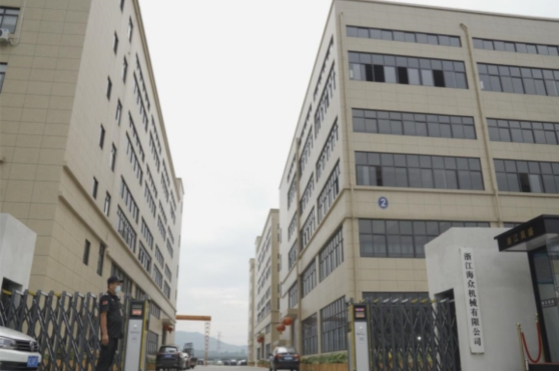
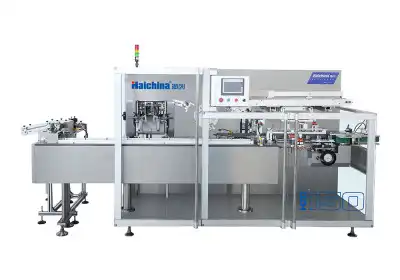
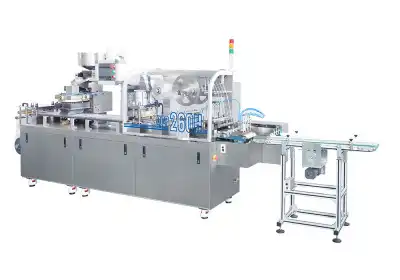
At Haichina, we specialize in providing state-of-the-art blister packaging machines that meet the highest safety standards for pharmaceutical applications. Our cutting-edge equipment incorporates advanced features such as AI-driven quality control, sustainable material processing, and Industry 4.0 integration capabilities. With over 20 years of experience as a leading manufacturer and supplier, we offer customizable solutions to meet your specific packaging needs. For expert guidance on selecting the best blister packaging machine for your pharmaceutical operations, contact our team at [email protected].
References
Johnson, A. (2024). "Trends in Pharmaceutical Packaging: 2025 and Beyond." Journal of Pharmaceutical Technology, 45(3), 112-128.
Zhang, L., et al. (2023). "Advancements in Blister Packaging Materials for Enhanced Drug Stability." International Journal of Pharmaceutical Sciences, 18(2), 201-215.
Smith, R. (2024). "Integration of AI in Pharmaceutical Packaging Processes." Automation in Pharma, 12(4), 78-92.
Brown, E., & Davis, M. (2023). "Sustainable Packaging Solutions for the Pharmaceutical Industry." Green Pharma Review, 7(1), 45-59.
Patel, S. (2024). "Regulatory Compliance in Pharmaceutical Packaging Equipment." Pharma Compliance Today, 29(2), 156-170.
Lee, K., et al. (2023). "Smart Packaging Technologies in Pharmaceutical Supply Chain Management." Journal of Drug Delivery Science and Technology, 66, 102062.