Pharmaceutical Blister Cartoner: What Buyers Should Know
When procurement workers are thinking about automating packing for pharmaceutical operations, they need to know what a pharmaceutical blister cartoner can do and how it can help. These special tools precisely put blister packs into boxes while following strict hygiene rules and following the rules set by the government. Modern pharmaceutical blister cartoner systems improve tracking throughout the packaging process, speed up production, and lower labor costs. This makes them essential for companies that want to improve their packing lines and meet strict industry standards.
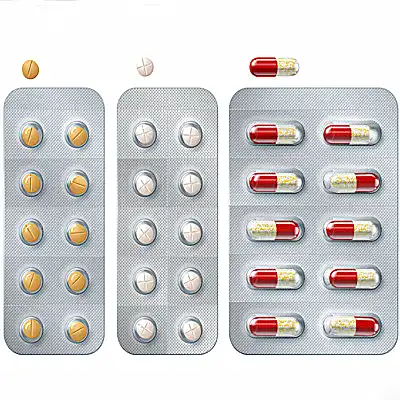
Understanding Pharmaceutical Blister Cartoners
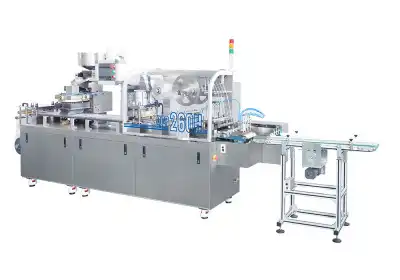
When it comes to pharmaceutical blister cartoners, they are high-tech automation systems that are made to handle and package blister packs precisely. These machines work perfectly with pharmaceutical production lines, turning time-consuming hand packaging tasks into highly effective automatic ones that keep the integrity of the product and cut down on human error by a large amount.
Core Operating Mechanisms
Blister packaging machines have several important steps that must be done in exact sync with each other. Automatic blister feeding systems start the process by putting each blister pack in the right place for placement. Advanced sensor technology makes sure that everything is positioned and oriented correctly, and servo-driven mechanisms control how the box is opened and how the blisters are put in. The method ends with a reliable carton seal that meets the standards for pharmaceutical packaging in terms of product safety and not being able to be opened.
PLC intelligent control systems with easy-to-use interfaces are built into modern pharmaceutical blister cartoners. These systems let users see and change settings in real time. These control systems have trouble recognition features that find operating problems right away and show where they are, which cuts down on downtime and speeds up troubleshooting. Frequency conversion technology makes it possible to precisely control the speed, which lets workers find the best production rates for each product..
Advanced Technological Features
These days, blister cartoning tools have amazing technical improvements that make them more reliable and efficient. Using stainless steel for all of the important parts makes them easy to clean and maintain, and it also meets cGMP and CE safety standards. Because these machines' feeding systems are customizable, they can handle blisters of different sizes without a lot of work. Size changes can usually be done in 30 minutes.
Automatic tracking systems use photoelectric sensors to keep checking that the blisters are in the right place and that the box is sealed properly. This real-time quality control stops broken items from moving along the packing line, so the quality of the result stays the same. The design of the mechanical gearbox makes it possible to precisely control movement while also maximizing power usage. This helps keep costs down and protects the environment.
Procurement Considerations for Pharmaceutical Blister Cartoners
To buy blister packaging equipment successfully, you need to think about a lot of different things that will affect both the short-term spending and the long-term success of the business. Knowing the total cost of ownership, the abilities of the provider, and the service support infrastructure will help you choose the best tools for your business.
Investment Analysis and Financing Options
Buying brand-new tools is usually the easiest way to get what you need because it comes with the latest technology and a full guarantee. Pharmaceutical-grade blister cartoners cost a lot of money for high-speed, fully automatic systems with advanced quality control features, while basic models cost a modest amount of money. When making an investment choice, one should think about how much is needed for production, how long it will take to get a return on the investment, and how much cash is available.
The market for used equipment provides different ways to buy things that can lower the original cost while still providing tested technological options. But buyers must carefully consider the state of the equipment, how long it will last, and whether there is professional help for older models. Leasing can help with cash flow and may include upkeep packages, but the total costs over the lease time are usually higher than the purchase price.
When thinking about financing, you should look at how much the equipment will depreciate over time, how it will affect your taxes, and how much output it could bring in that would support the investment. Many sellers offer flexible payment plans and credit options that can work with a range of budgets and give customers access to cutting-edge packaging technology.
Warranty and Service Support Evaluation
Full guarantee coverage is an important thing to think about when buying something because it affects business risk and long-term costs. Standard warranty terms are between one and two years and cover work and parts for problems with the way the product was made and standard wear and tear. Options for longer warranties offer more safety and may include preventive repair services that help the machine keep running at its best.
The supply and shipping times of spare parts, such as for the pharmaceutical blister cartoner, have a big effect on how much equipment is up and running and how smoothly operations can continue. Suppliers with a good reputation keep large stocks of parts and can ship important parts quickly. When local service experts or approved service partners are available, reaction times for complicated fixes are cut down, and ongoing technology help is provided for optimization and fixing.
Suppliers of equipment offer training programs that make operators more skilled and less likely to make mistakes that could affect the performance of the equipment or the quality of the product. Basic upkeep methods, troubleshooting skills, and safety rules that are specific to the installed equipment should all be covered in thorough training.
Supplier Selection and Qualification
To find suitable suppliers, you need to look at their technical skills, production experience, and name in the business. Established makers with a lot of experience in the pharmaceutical business show that they know the rules and quality standards that apply to pharmaceutical packaging. Case studies and examples from customers can tell you a lot about how well a company does their job and how happy their customers are.
Technical support includes both tech help before the sale and service support after the installation. To make sure that equipment is set up correctly, qualified providers give clear instructions on how to use the equipment, thorough technical specs, and help with integration. Remote diagnostics make it possible to quickly fix problems and cut down on the time it takes for service to respond to small operating issues.
Parts supply and service assistance are affected by how financially stable and long-lasting equipment suppliers are over the lifecycle of the equipment. To make sure that business ties last and meet long-term operational needs, procurement teams should look at suppliers' financial health, market position, and dedication to ongoing product development.
Optimizing Pharmaceutical Blister Cartoner Performance
To get the most out of your blister packaging equipment, you need to pay close attention to its operating factors, repair schedules, and efforts to keep making it better. Performance improvement includes methods for improving quality, speed, and cost that work together to get the best return on equipment investment.
Production Speed and Capacity Management
The best production speeds take into account the needs for throughput, product quality, and machine life. Running at the fastest speeds possible could make things wear out faster and need more upkeep, which could lower the quality of the package. Systematic speed optimization includes slowly raising the speed while keeping an eye on quality metrics and equipment performance signs to find the best settings for operation.
When planning capacity, it's important to think about both current production needs and expected growth to make sure that tools can be used on a larger scale. Knowing when demand is highest and when it changes with the seasons can help you plan production better and spot problems before they cause delivery delays. Regular analysis of capacity usage finds ways to boost efficiency and helps with choices about what tools to buy in the future.
The speed of changeover has a big effect on how well the equipment works generally, especially in places that handle more than one product line. Standardizing changeover methods, keeping tool storage organized, and adding quick-change features all help keep production running smoothly. Training programs that focus on quick changeover methods and the right way to use tools can help cut down on setup time and boost total output.
Quality Control and Process Refinement
Using thorough quality control methods helps keep the quality of the packaging uniform and finds ways to make the process better. Regular checks of the strength of the box seal, the accuracy of the blister placement, and the quality of the packing give information that can be used to look for trends and make preventative changes. Statistical process control methods help tell the difference between normal changes in operations and situations that need to be fixed.
Automated quality testing systems built into pharmaceutical blister cartoners give real-time feedback on the quality of the packing. These systems can automatically throw away packages that aren't good enough, and they can keep track of quality measures for legal compliance and process improvement. Integration with production management systems makes it possible to keep a close eye on quality and act quickly when there are problems.
The main goal of process improvement projects should be to find and get rid of sources of variation that hurt the standard of the output or the efficiency of the operation. Regularly calibrating equipment, doing preventative repair, and updating operator training all help to keep performance at a high level. Monitoring key performance factors all the time makes it possible to find ways to improve things before they go wrong.
Maintenance Strategy Development
Customized preventive maintenance plans for each piece of machinery and its working conditions make sure that it is always available and that unexpected downtime is kept to a minimum. To get the best repair intervals, maintenance plans should take into account what the maker says, how the machine is actually working, and performance data from the past. Lubrication, component check, calibration verification, and repair of worn-out parts before they break are all part of regular maintenance.
Data from tracking equipment is used in predictive maintenance methods to find possible problems before they stop operations. Monitoring vibrations, temperatures, and performance trends can help find problems early on so that repair can be done during planned breaks. These methods lower the prices of emergency repairs and keep production schedules from getting thrown off.
Operational processes and simple maintenance tasks that can be done by production staff should both be covered in staff training programs. Giving operators the power to do normal maintenance jobs and spot possible problems makes technology more reliable and less reliant on outside service support. Updating training on a regular basis makes sure that people stay skilled as equipment ages and working methods change.
How to Choose the Right Pharmaceutical Blister Cartoner for Your Business?
To find the best plastic packaging option, you need to carefully consider your production needs, operational limitations, and long-term goals. To make sure that the equipment choice supports long-term growth and operational success, the decision process should take into account both short-term wants and long-term business goals.
Production Requirement Analysis
A full evaluation of packing needs starts with a careful study of the product's features, the amount that will be made, and the quality standards. Size, weight, and frailty of the product all affect how the machine is configured and how the handling system is designed. Accurate volume estimates that take into account both current demand and expected growth make sure that equipment has enough space and that too much money isn't wasted on features that aren't needed.
Format standards for packaging include box sizes, materials, and closure methods that affect how machines are set up and how hard it is to switch between formats. Flexible equipment designs that can handle different packaging forms with little switching time are helpful for facilities that handle more than one product line. Knowing the rules that apply to packaged goods makes sure that the tools you choose has all the features you need to meet those rules.
Things to think about when integrating workflow are the amount of floor room you have, the utilities you'll need, and how to connect it to the production tools you already have. The structure of equipment should make the flow of materials as smooth as possible while still making it easy to do repair and operation tasks. Power needs, compressed air needs, and weather control needs must be in line with what the building can do or it will need to be upgraded.
Technical Specification Evaluation
While quality standards and equipment longevity are taken into account, speed requirements should be based on actual output goals. Equipment that works at higher speeds usually needs more complex control systems and may need more upkeep. Finding the best balance between speed and operating reliability is the key to getting the lowest total cost of ownership over the lifetime of an item.
The amount of automation chosen for a pharmaceutical blister cartoner relies on the skills of the workers that are available and the need for consistency. While fully automatic pharmaceutical blister cartoners require less work, they are harder to run and maintain because they need more technology know-how. Semi-automated pharmaceutical blister cartoners are flexible enough to meet a wide range of production needs while still being simple enough for most pharmaceutical manufacturing settings.
The features of a control system affect how easy it is to use and how well it can work with building management systems. Modern PLC-based control systems have easy-to-use interfaces, full troubleshooting tools, and network connections for keeping an eye on production and gathering data. Making sure that the control system works with the current automation technology in the building makes integration easier and improves working efficiency.
Cost-Benefit Analysis and ROI Calculation
The total cost of ownership analysis includes the price of buying the equipment, the cost of setting it up, the cost of hiring staff, and the ongoing costs of running the equipment, such as repairs, energy, and supplies. When you compare these costs to the current costs of hand packing or the costs of running existing equipment, you can see if the investment is worth it. When you calculate the return on your investment, things like higher productivity, better quality, and lower labor costs all add up to a good number.
When doing a payback period study, you should think about true implementation times, the effects of the learning curve, and how operators' output gradually rises as they get used to new tools. Estimates that are too low and don't take into account possible application problems lead to more accurate investment plans and lower the financial risk that comes with buying equipment.
Long-term worth factors include how well the equipment can adapt to new products, how long the supplier's help will last, and how much it could be sold for again. Designing equipment to meet the needs of future packing needs adds value by making it last longer and lowering the need for future investments. Stable suppliers and ongoing product support ensure that equipment keeps its worth over its entire working lifecycle.
Conclusion
When choosing a pharmaceutical blister cartoner, you need to think carefully about its technical skills, operational needs, and long-term business goals. To make the best financial choices, you need to carefully consider the features of the tools, the qualifications of the supplier, and the total cost of ownership. When properly chosen and used, modern cartoning tools can greatly improve production speed, quality consistency, and compliance with regulations. Procurement professionals can make smart choices that support long-term operational success and business growth when they understand the details of various technologies, their upkeep needs, and performance optimization strategies.
FAQ
1. What blister sizes can pharmaceutical cartoning equipment handle?
Modern cartoning tools can handle a wide range of blister sizes thanks to feeding mechanisms and handling systems that can be changed. Standard tools can usually handle blisters of all sizes, from small ones for a single dose to big ones for many doses. Quick switching features let you switch sizes in just 30 minutes, which helps multi-product processes run smoothly. If the right engineering changes are made, custom setups can work with different blister forms or odd-sized needs.
2. What production speeds should I expect from blister cartoning equipment?
Production speeds change a lot depending on how the equipment is set up, how complicated the product is, and how well it needs to be made. High-speed automatic equipment can handle 150 to 200 boxes per minute, while entry-level systems can only handle 60 to 80 cartons per minute. How fast things are made depends on how often they are changed over, how skilled the operators are, and how well the machines are maintained. Throughput goals, machine life, and quality standards should all be taken into account when speed optimization is done.
3. How important is warranty coverage and technical support?
For pharmaceutical packaging tools to work, it needs to come with a full warranty and solid expert support. Options for longer warranties and local service support lower operating risk and make sure that technology problems are fixed quickly. Suppliers' technical knowledge, the supply of parts, and training programs all have a big effect on how well equipment works and how long it can be used.
Partner with Haichina for Advanced Pharmaceutical Blister Cartoner Solutions
Haichina offers state-of-the-art pharmaceutical blister cartoner technology backed by more than 20 years of experience in the field and a reputation for excellence in production around the world. As part of our wide range of products, we offer fast cartoning tools that are designed to meet GMP standards, work precisely, and perform reliably in harsh pharmaceutical settings. Haichina offers reliable packaging solutions that keep high quality standards and increase production efficiency. These solutions have been used successfully in more than 50 countries and have been certified to meet CE, ISO9001, and cGMP standards.
For your unique production needs and budget, our experienced engineering team offers personalized advice services to help you find the best pharmaceutical blister cartoner configuration. Email our packaging experts at [email protected] to talk about your project needs and get full technical specs and prices that are fair. Get the Haichina edge by getting high-quality equipment, full expert support, and quick service after the sale. This will help your pharmaceutical packaging operations stay at the top of their game.
References
1. Smith, J. R., & Johnson, M. A. (2023). "Advances in Pharmaceutical Packaging Automation: Technologies and Regulatory Considerations." Journal of Pharmaceutical Engineering, 45(3), 78-92.
2. Wilson, P. D., et al. (2024). "Quality Control Systems in Modern Pharmaceutical Cartoning Equipment: Design Principles and Performance Metrics." International Packaging Technology Review, 18(2), 134-148.
3. Anderson, K. L., & Thompson, R. S. (2023). "Cost-Benefit Analysis of Automated Packaging Systems in Pharmaceutical Manufacturing." Pharmaceutical Manufacturing International, 29(4), 45-59.
4. Brown, A. C., et al. (2024). "GMP Compliance in Pharmaceutical Packaging Equipment: Current Standards and Future Developments." Regulatory Affairs Quarterly, 31(1), 23-37.
5. Davis, M. E., & Clark, J. P. (2023). "Maintenance Strategies for Pharmaceutical Packaging Equipment: Predictive vs. Preventive Approaches." Industrial Maintenance Journal, 42(6), 112-126.
6. Taylor, S. L., & Roberts, N. K. (2024). "Supplier Selection Criteria for Pharmaceutical Packaging Equipment: A Comprehensive Framework." Procurement Management Review, 16(3), 67-81.

Submit the form now to get a unique quote!
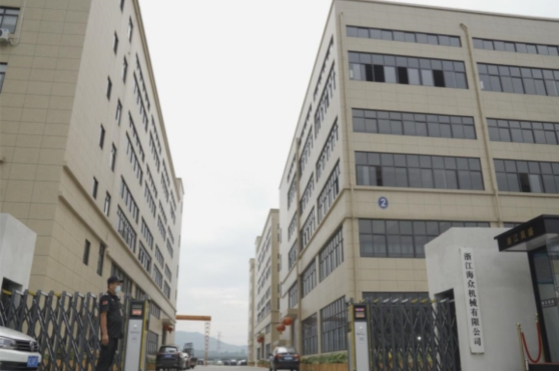
ZHEJIANG HAIZHONG MACHINERY CO., LTD.
Popular Blogs
-
 Successful caseProducts and services
How to Train Employees to Operate a Bottle Packing Machine Effectively?
-
 Successful caseIndustry insights
The Blister Packaging Process: A Complete Step-by-Step Guide
-
 Successful caseComparative analysisIndustry insights
What Type of PVC Is Best for Blister Packing Machines?