Blister Packaging Machine vs Strip Packing: Key Differences
When making pharmaceuticals and consumer goods, the choice between a blister packaging machine and strip packing technology is a big one that affects how well the products are protected, how well the business follows the rules, and how efficiently it runs. A blister packaging machine uses thermoforming to make formed holes out of materials like PVC and aluminum foil. This protects each item better and makes it harder to tamper with. On the other hand, strip packing uses flexible films to make continuous sealed strips or bags. This is a cost-effective way to make a lot of things, and it makes handling the materials easier and makes less trash.
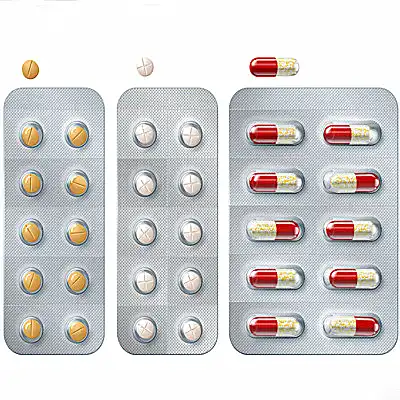
Understanding Blister Packaging Machines and Strip Packing
Blister packaging machines and strip packing systems reflect two fundamentally different methods to product containment and protection, and modern packaging technologies have grown to meet a variety of industry requirements. In the medicine, cosmetics, food, and consumer goods industries, these technologies meet the needs of different types of customers and address different operating objectives.
Core Technology Principles
Blister packing tools use either thermoforming or cold forming to make individual spaces that keep goods safe. Using vacuum or pressure forming, plastic strips like PVC or PET are heated to temperatures at which they can be shaped, and then they are shaped into exact cavities. For the ease of the customer, each cavity separates a single product, protecting it from wetness, air, and contamination while letting the customer see the product clearly.
Using continuous closing principles, strip packing and blister packaging machine technology make sealed bags or sachets out of flexible film. In this process, film webs are fed through machines for shaping, filling, and closing, which make strip-shaped packages that are completely sealed. This method makes the best use of materials and speeds up production, which makes it perfect for single-dose goods, samples, and uses that need quick packaging processes.
Material Specifications and Barrier Properties
The choice of material between these technologies has a big effect on how well a product is protected and how long it lasts. For blister packing, rigid materials like PVC, PVDC, PET, and aluminum foil mixtures are often used. These materials are great at blocking the passage of gas and wetness. The multiple layers of these structures make strong defenses for delicate electronic parts and medicine chemicals.
Flexible layered films made of polyethylene, polypropylene, metal foil, and special barrier layers are used in strip packaging. These materials cover well enough while still being flexible enough for automatic handling and dispensing tasks. The thickness and make-up of the material can be changed depending on how sensitive the product needs to be and how long it needs to last.
Comparing Processes and Technologies
Strip packing systems and blister packaging machines have very different operating processes in terms of how complicated they are, how much automation they have, and how flexible they are for production. Knowing about these differences in the processes helps procurement teams match the skills of tools with the needs of specific manufacturing tasks.
Blister Packaging Machine Operations
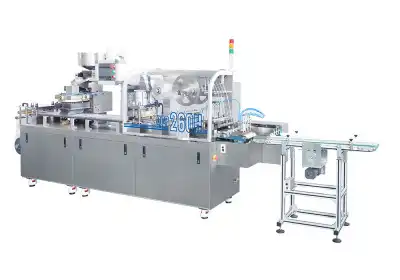
Modern blister packaging machines do several tasks one after the other in a series of linked production lines. At the start of the process, film filling and heating stations get the base materials ready for the making steps. Precision heating systems keep the right temperatures for reliable thermoforming, and automatic film advance mechanisms make sure that the films are always in the right place during the production cycle.
The main thing that makes this technology different is the making stage, where hot film is run through special tools that make cavities that are the right size for the product. Modern machines have servo-driven forming systems that can precisely control the depth of the hole and keep an eye on its regularity. Before goods go into the filling stations, quality control monitors check to see if cavities have formed.
Depending on the production rate, adding products can be done in a number of ways, such as by hand, with pick-and-place robots, or with vibratory feeding systems. Automated blister packaging machine systems use vision guiding and precise placing to make sure that each cavity has the right product in it, with the same direction and spacing.
Strip Packing Process Workflows
Continuous motion principles make strip packing machines work in a way that maximizes production flow and material economy. At the beginning of the process, film unwinding units keep the web tension constant while materials are fed through the packing line. Modern tension control systems keep the film from stretching and make sure that the closing conditions are the same throughout the whole production run.
Synchronized feeding systems put the right amount of product into the forming tube or pocket at the right time. For correct fill weights, liquid goods use volumetric dosing systems and solid products use counting or weighing systems. Coordinating the timing of product feeding and film progress decides the accuracy of packing and keeps things from spilling or getting dirty.
Heat, ultrasonic, or pressure sealing technologies are used in sealing processes to make hermetic closures, based on the material fit and product needs. Modern machines keep an eye on the temperature and check the strength of the seals to make sure that the packages stay sealed and that temperature-sensitive items don't get too much heat.
Performance and Efficiency Analysis
To compare how well blister packaging machines and strip packing systems work, you need to look at a lot of different output measures, quality parameters, and operating reliability factors that have a direct effect on how efficiently and cheaply you can make things.
Production Speed and Throughput Capabilities
Modern blister packaging machines can make anywhere from 20 to 300 cycles per minute, based on the number of cavities, the complexity of the product, and the amount of automation. High-speed pharmaceutical tools can make thousands of individual doses every hour while still meeting the high quality standards needed for controlled goods. The irregular motion design lets each spot be precisely placed and check for quality.
Continuous high-speed processes work best with strip packing systems, which can often reach linear speeds of more than 200 meters per minute for simple goods. The design of continuous motion gets rid of the start-stop processes that can slow down irregular systems. But production rates rely a lot on the features of the product, how it needs to be sealed, and how hard it is to cut.
Quality Control and Inspection Systems
Modern blister packaging machines have full quality control systems that check for things like cavity formation, product present, seal stability, and the way the package looks. Vision systems check each cavity to make sure the right product is put in it, and leak detection systems use vacuum or pressure difference to make sure the package is solid. These quality controls make sure that pharmacy rules are followed and keep products from having to be recalled.
Inline screening technologies used by strip packing tools include checking the package's weight, keeping an eye on its seal, and making sure it looks good. Continuous production speeds need quick inspection cycles. Statistical sampling is often used instead of 100% inspection, based on how important the product is and what the rules say.
Maintenance Requirements and Operational Reliability
Because blister packaging machines are more complicated mechanically, they usually need more extensive maintenance plans that include checking the tools on a regular basis, calibrating the heating system, and replacing the closing parts. However, new machines have predictive maintenance features that keep an eye on how parts wear and set up repair times to avoid unexpected downtime as much as possible.
Most strip packing machines have easier mechanical designs with fewer moving parts. This means they need less upkeep and can be used more often. The continuous motion design spreads wear patterns more widely across parts, so they don't need to be serviced as often while still performing at the same level.
Procurement Considerations for B2B Buyers
When making strategic choices about what packing tools to buy, you need to think about the total cost of ownership, the skills of the provider, and the long-term operating freedom to make sure you stay ahead of the competition and follow the rules in a variety of market conditions.
Capital Investment and Operating Cost Analysis
Because they need more complex tools, precise forming systems, and built-in quality control technologies, blister packing machines usually need a bigger initial capital investment. But the cost per unit of packing can be competitive for middle to high-volume production because materials are used more efficiently and fewer people are needed to do the work. The cost is especially worth it for goods that need extra security and proof that they haven't been tampered with.
With simpler motor designs and less complicated tools, strip packing methods are easier to get started with and cost less. They are good for cost-sensitive uses and making a lot of the same thing because they can produce things quickly and efficiently, which lowers their operating costs. The technology can easily be expanded to meet growing output needs.
Supplier Evaluation and Support Services
Leading companies that make blister packaging machines and packing tools offer a full range of support services, such as installation, training, upkeep, and access to spare parts. Suppliers that have been around for a while have installed blister packaging machine products in a wide range of businesses and legal settings. When it comes to complicated pharmaceutical applications that need validation paperwork and help with regulatory compliance, blister packaging machine technical support skills become very important.
Regional service networks make sure that repair and technical help can be sent out quickly, so that output doesn't have to stop. Suppliers whose finances are stable and who will be around for a long time give customers trust in long-term investments in tools and ongoing support needs.
Regulatory Compliance and Validation Requirements
For pharmaceutical and medical product uses, you need equipment that meets strict rules set by the FDA, the EMA, and other foreign organizations. To speed up the regulatory clearance process, qualified providers offer validation packages, risk assessments, and help with documentation. The design of the tools has to take into account the needs for change control, cleaning validation, and maintenance processes.
When developed and tested correctly, both blister packaging and strip packaging can meet regulatory standards. Rather than basic legal limits, the choice is often based on the features of the product, the need for security, and what the market expects.
Making the Right Decision: When to Choose Blister Packaging or Strip Packing
The best choice of packing technology relies on a thorough analysis of the product's features, the needs of the market, the production goals, and long-term strategic factors that are in line with the company's objectives and its operational strengths.
Product-Specific Considerations
Blister packaging is often better for pharmaceutical pills, capsules, and medical devices because it keeps out moisture better, lets you identify each dose, and shows that the packing has been tampered with. The technology makes it possible for light-sensitive and moisture-sensitive goods to stay stable while also letting customers see the products clearly, which builds trust. Regulatory bodies often prefer package packing for prescription drugs because it has been used for a long time and has been shown to work.
For uses that need flexible portioning, sample sizes, or cost-effective package options, cosmetics, foods, and consumer goods may find that strip packing works better. This technology works great for sealing liquids, powders, and other things that need to be hermetically sealed but don't have to fit into a tight space.
Industry-Specific Applications
Because of regulations, customer standards, and the need for security, the pharmaceutical business leans heavily on blister packaging machine technology for solid dosage forms. The technology gives prescription drugs important features like accurate unit doses, product labeling, and compliance tracking. Contract packing businesses often keep both technologies up to date so they can meet the needs of a wide range of clients.
Strip packaging is often used by food and drink companies for single-serve amounts, condiment packets, and special freebies. The technology makes good use of materials and lets you switch between products quickly for special items and limited-time deals. Cosmetic companies use both technologies based on the type of product. Blister packs are preferred for high-end goods that need to look better.
Long-Term Strategic Alignment
Long-term business goals, such as growing the market, offering more products, and making operations more efficient, should be in line with investments in packing techniques that work. Companies that want to expand internationally may choose technologies that are widely accepted by regulators and have established networks of suppliers. Companies that want to place their products as premium often spend money on blister packing to improve how their products look and how customers see them.
As product life cycles get shorter and market needs change quickly, manufacturing flexibility becomes more important. Modular equipment designs let you adapt to changing needs while protecting your initial investments by using parts that can be upgraded and setups that can be expanded.
Conclusion
In the end, choosing between blister packaging machines and strip packing technology comes down to matching the needs of the product, the goals of the business, and the company's overall strategy. For pharmaceutical and high-end customer uses, blister packing is the best way to protect products, keep individual doses intact, and follow the rules. For low-cost, fast solutions that put material efficiency over individual safety, strip packing is perfect for common goods, samples, and situations where speed is more important than protecting individuals. To do a good job of procuring something, you need to look at the total cost of ownership, the supplier's skills, and the long-term operational freedom to make sure you keep your competitive edge as market conditions change.
FAQ
1. What are the main advantages of blister packaging machines over strip packing?
Blister packing tools protect each item better because they create holes that keep outside factors and contamination from getting into the item. The technology has great qualities for keeping out moisture and air, showing that it has been tampered with, and making it easy to see what's inside, which makes customers feel more confident. Because of these benefits, blister packing is perfect for medicinal uses that need to strictly control quality and follow rules.
2. How do maintenance requirements differ between these packaging technologies?
Because they have more complex heating systems, forming tools, and precise placing mechanisms, blister packing machines usually need more thorough upkeep. Modern tools, on the other hand, have predictive maintenance features that make the best use of service times. Because they have easier mechanical designs with fewer moving parts, strip packing machines usually need less upkeep and can be used more often.
3. Which technology offers better energy efficiency for high-volume production?
Because they are designed for continuous action and don't need as much warmth, strip packing systems often use less energy than other high-volume systems. The technology cuts down on the number of start-stop processes that use extra energy when activities aren't continuous. But energy efficiency changes a lot depending on the type of machine, the speed of production, and the features of the result, so it needs to be carefully looked at for each use.
Partner with Haichina for Advanced Blister Packaging Solutions
Haichina offers the most advanced blister packaging machine technology, backed by more than 20 years of experience making machines and installations in more than 50 countries around the world. Our all-in-one solutions meet the strict needs of the pharmaceutical, cosmetics, and consumer goods industries while also making sure that GMP rules are followed and operations run more smoothly. As a reliable blister packaging machine provider, we offer full support, including technical advice, custom building, installation services, and maintenance programs that keep your machines running at top performance. Get in touch with [email protected] right away to talk about your unique packaging needs and find out how our tried-and-true technology can help you make more products and compete in the market.
References
1. Smith, J.A. (2023). "Advanced Packaging Technologies in Pharmaceutical Manufacturing: A Comparative Analysis." International Journal of Pharmaceutical Engineering, 45(3), 234-251.
2. Johnson, M.K., & Williams, R.L. (2022). "Blister Packaging vs. Strip Packaging: Performance Evaluation in Industrial Applications." Packaging Technology Review, 28(7), 112-128.
3. Chen, L., Thompson, P.A., & Davis, S.M. (2023). "Equipment Selection Criteria for Modern Packaging Lines: A Procurement Guide." Industrial Packaging Quarterly, 19(2), 89-104.
4. Anderson, K.R. (2022). "Regulatory Compliance in Pharmaceutical Packaging Equipment: Current Standards and Future Trends." Pharmaceutical Manufacturing International, 31(4), 67-82.
5. Rodriguez, M.C., & Kumar, V.P. (2023). "Cost-Benefit Analysis of Packaging Technologies for Consumer Goods Industries." Manufacturing Economics Journal, 42(1), 156-172.
6. Taylor, S.B., Zhang, H., & Mitchell, A.J. (2022). "Energy Efficiency and Sustainability in Automated Packaging Systems." Green Manufacturing Technology, 15(8), 203-219.

Submit the form now to get a unique quote!
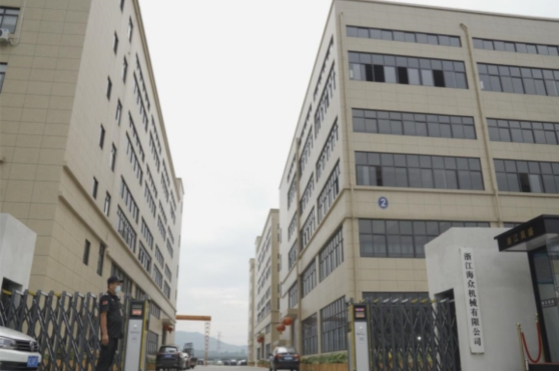
ZHEJIANG HAIZHONG MACHINERY CO., LTD.
Popular Blogs
-
 Successful caseProducts and services
How to Train Employees to Operate a Bottle Packing Machine Effectively?
-
 Successful caseIndustry insights
The Blister Packaging Process: A Complete Step-by-Step Guide
-
 Successful caseComparative analysisIndustry insights
What Type of PVC Is Best for Blister Packing Machines?